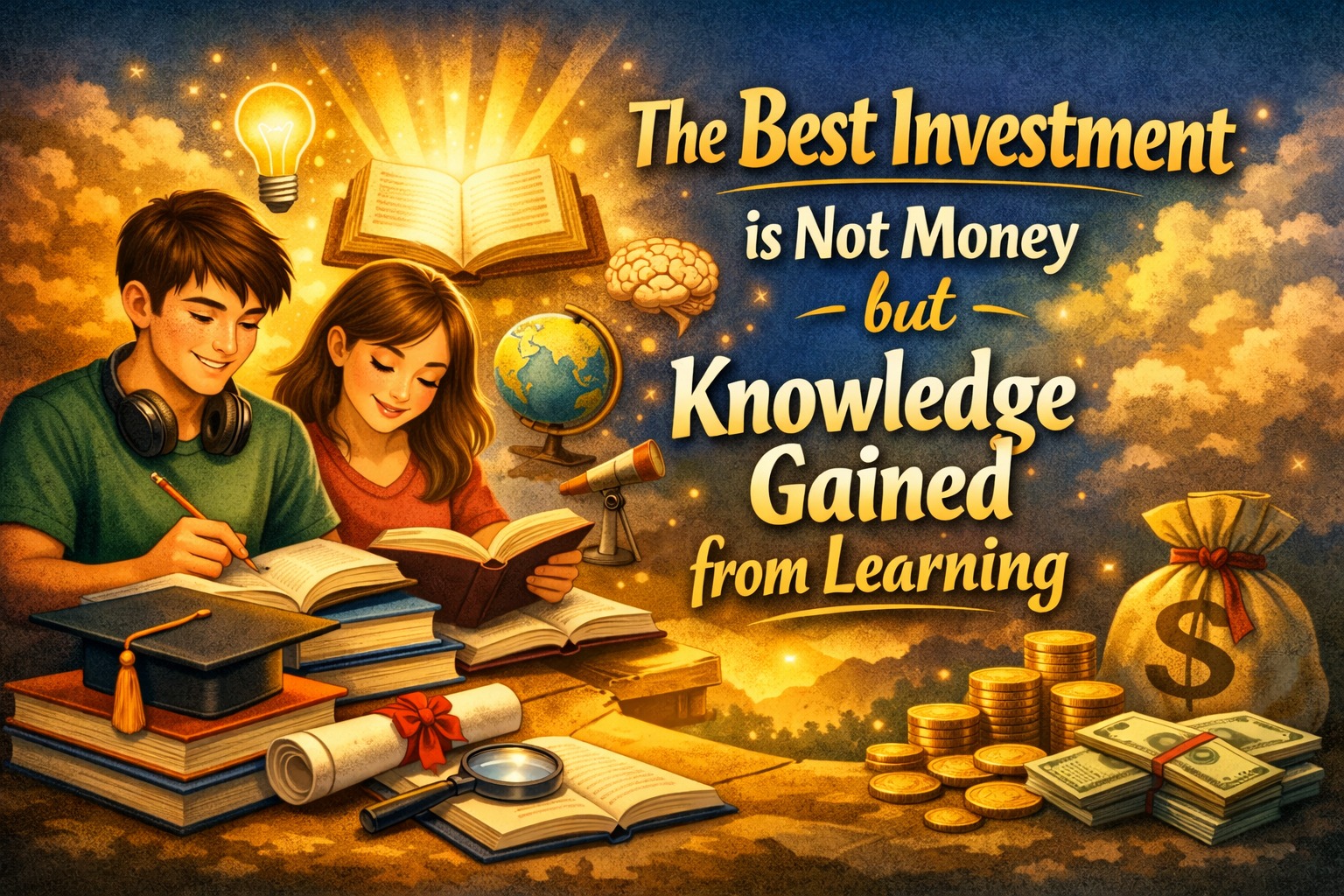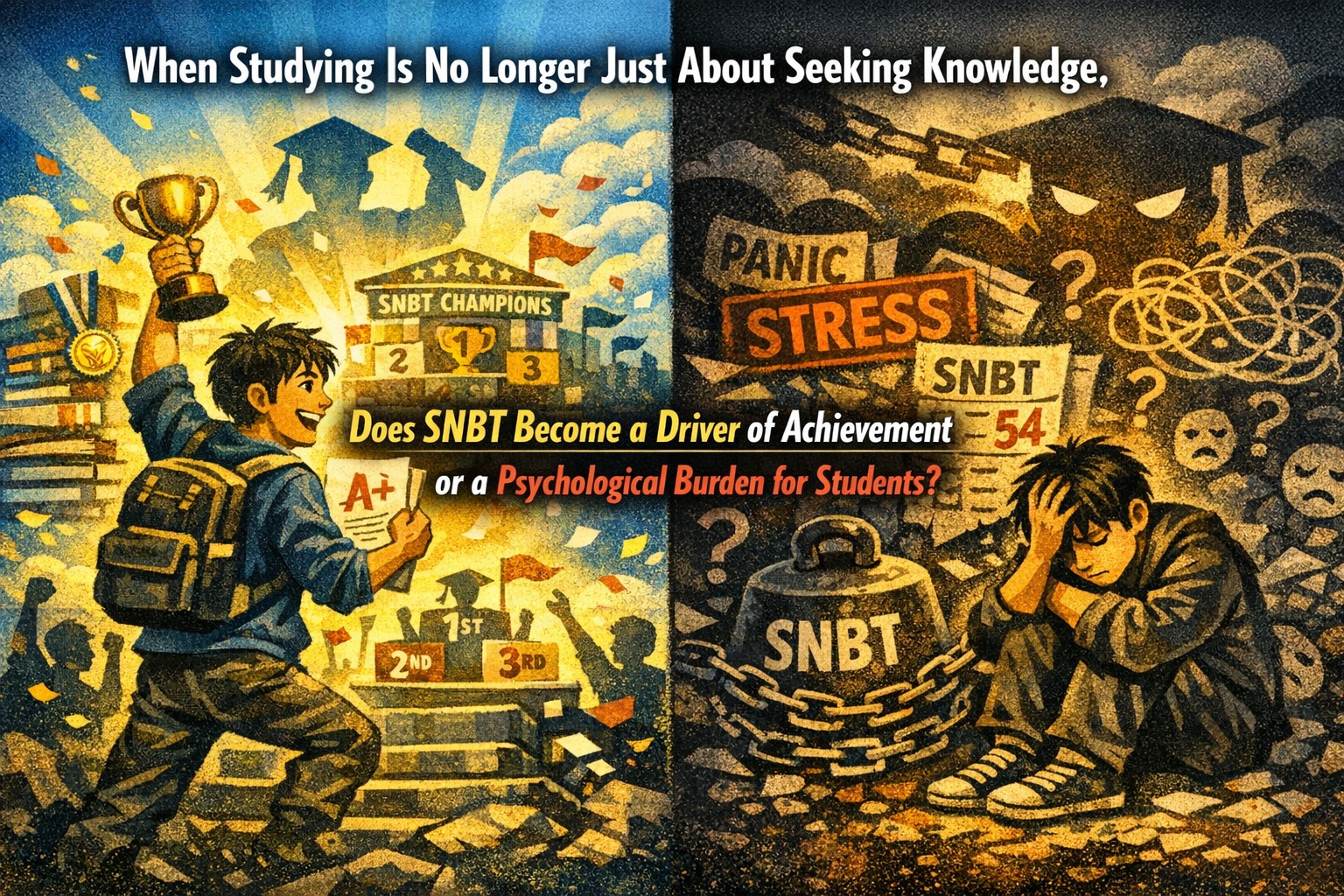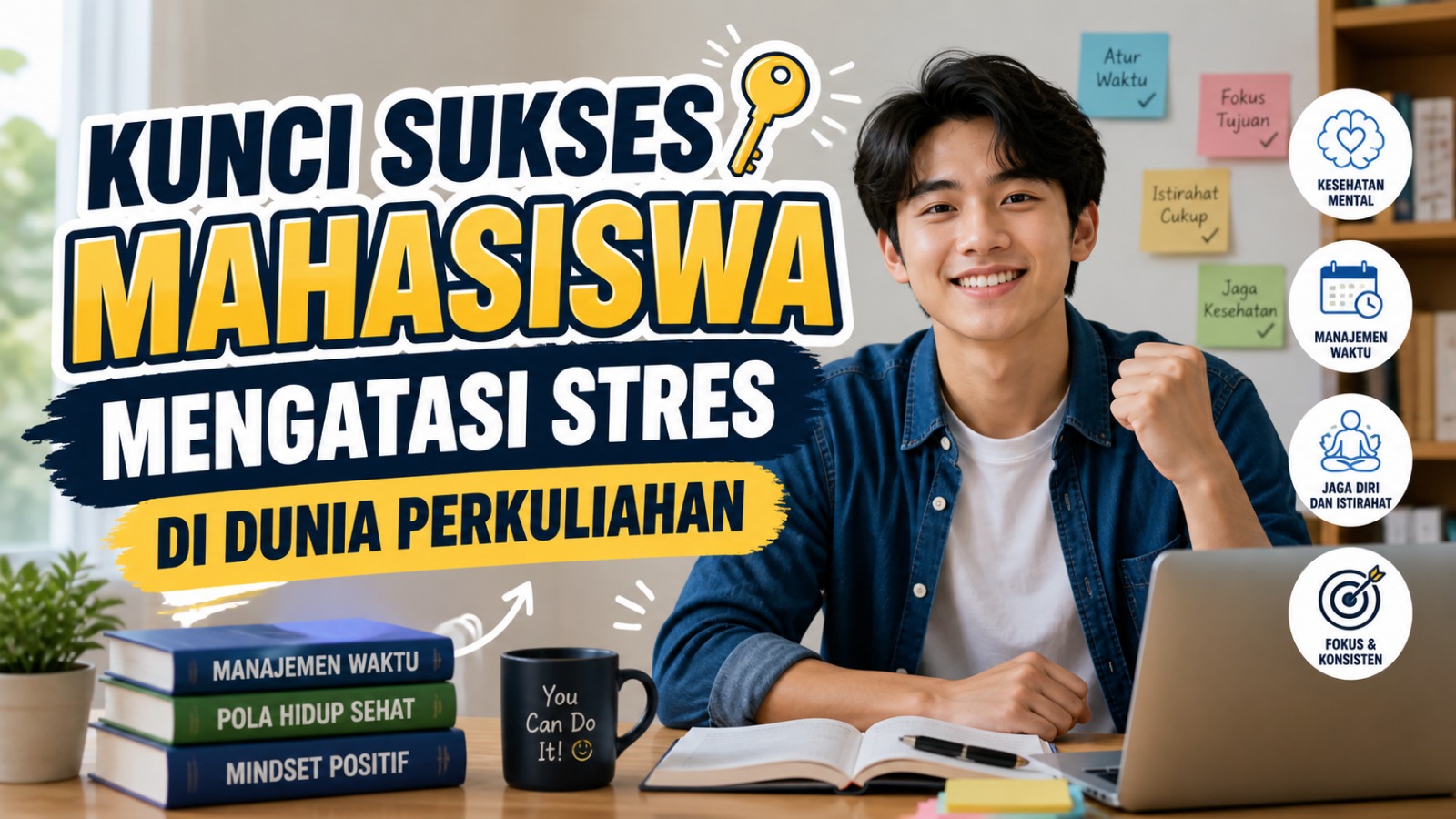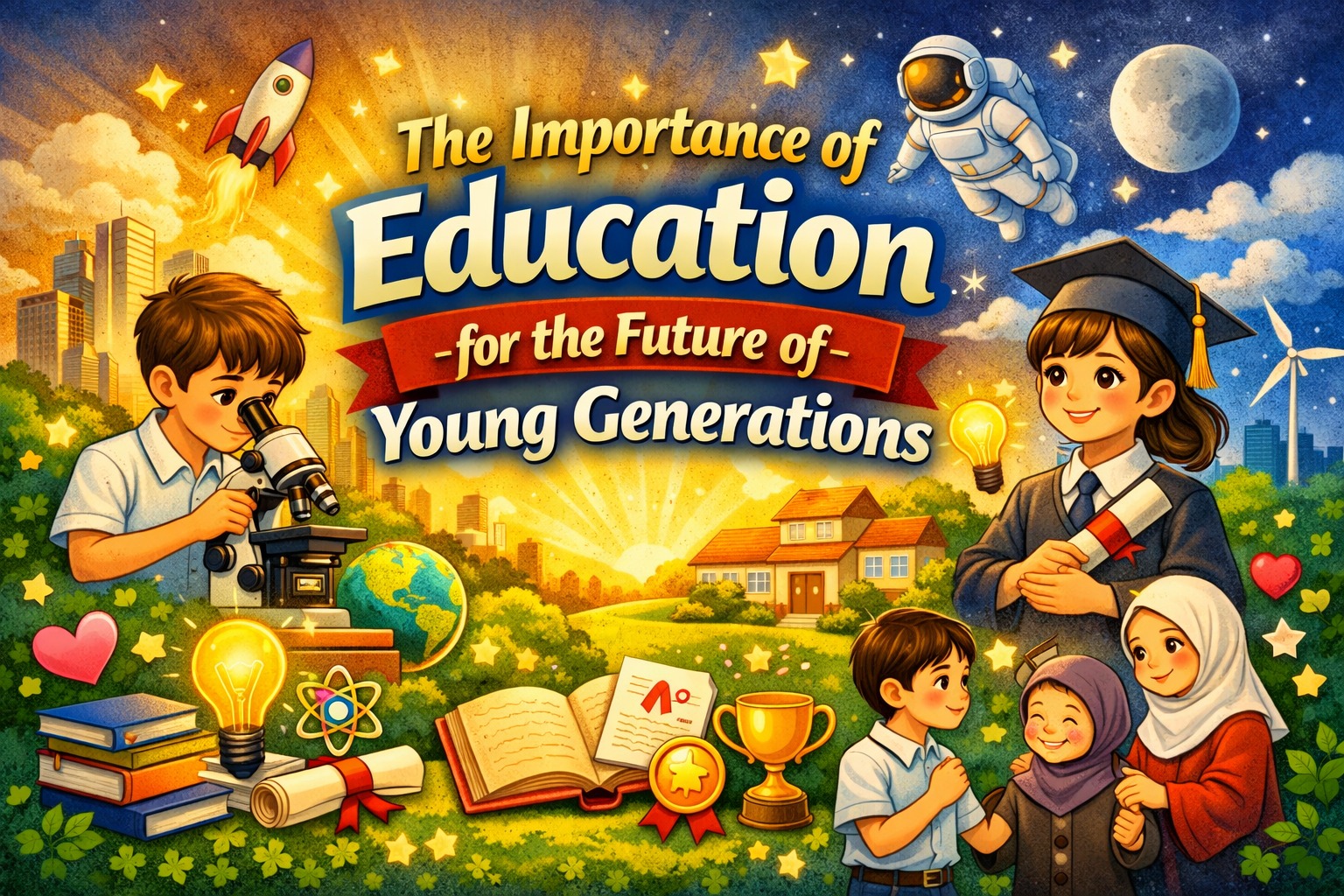
Education has always been the foundation of human progress. In today’s fast-changing world, it plays an even greater role in shaping the future of young generations. With rapid technological advancements and global competition, education is no longer limited to classrooms—it has become a lifelong journey that equips young people with knowledge, skills, and values needed to thrive.
WHY EDUCATION MATTERS MORE THAN EVER
The modern world demands adaptability, creativity, and critical thinking. Education helps young people develop these essential skills while preparing them to face real-life challenges. Beyond academic knowledge, education nurtures confidence, communication abilities, and problem-solving skills that are crucial in the 21st century.
BUILDING SKILLS FOR THE DIGITAL ERA
Technology continues to reshape industries and job markets. Many traditional jobs are evolving or disappearing, while new careers are emerging. Education enables young individuals to keep up with digital transformation by learning skills such as digital literacy, data analysis, and innovation. These abilities help them stay competitive and ready for future opportunities.
EDUCATION AS A PATHWAY TO OPPORTUNITY
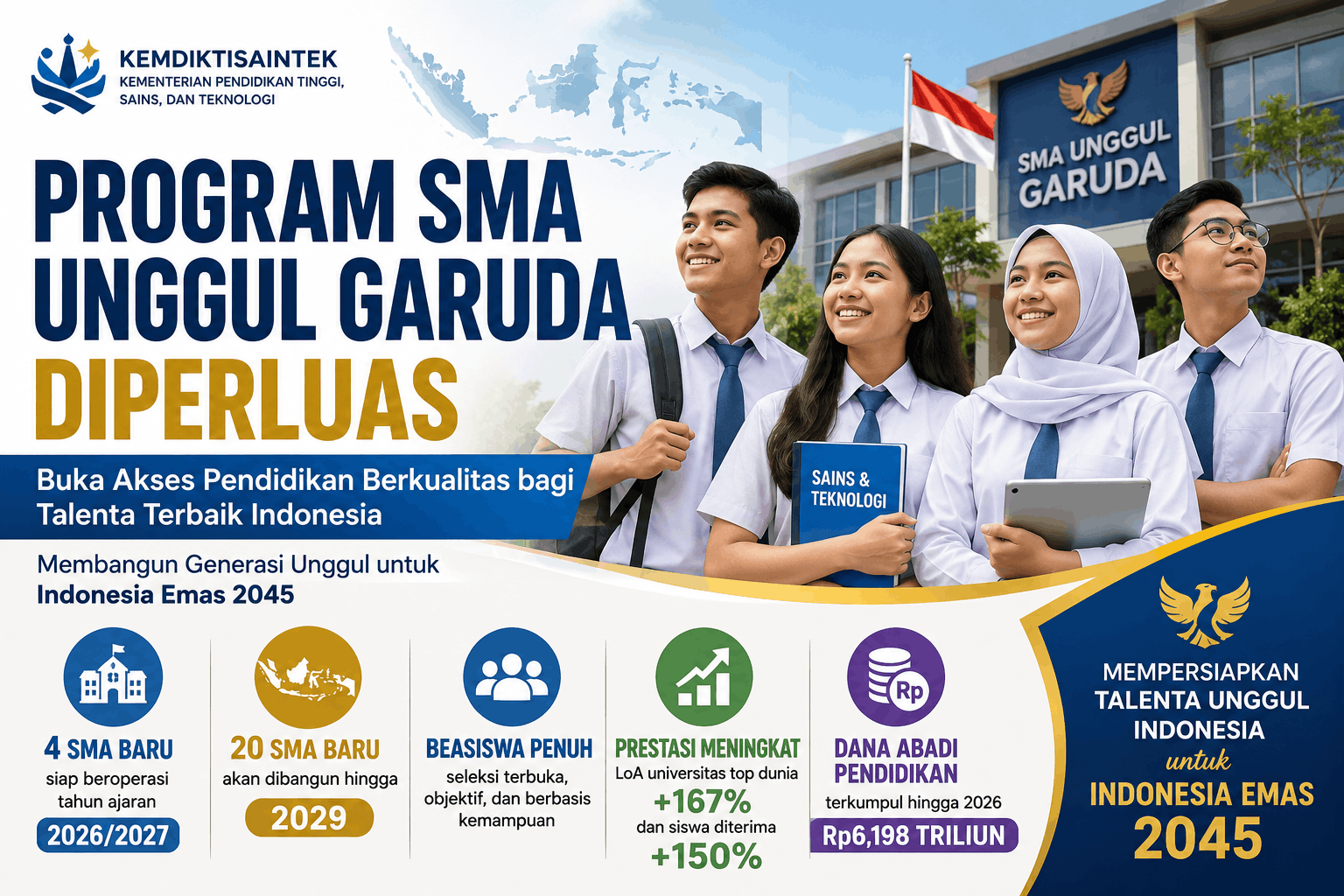
One of the greatest benefits of education is access to broader opportunities. Well-educated individuals often have better career prospects, higher earning potential, and improved quality of life. Education also opens doors to scholarships, global networks, and professional growth that can shape a successful future.
DEVELOPING CHARACTER AND VALUES
Education is not only about academic achievement. It also plays a vital role in shaping character and personal values. Schools and learning environments teach discipline, teamwork, empathy, and responsibility. These qualities help young generations become responsible citizens who contribute positively to society.
REDUCING SOCIAL AND ECONOMIC GAPS
Access to quality education can reduce inequality and create more inclusive societies. When young people receive proper education, they are better equipped to break cycles of poverty and contribute to economic growth. Education empowers individuals to make informed decisions and participate actively in their communities.
THE ROLE OF PARENTS AND COMMUNITIES
Education is a shared responsibility. Parents, teachers, and communities must work together to support young learners. Encouraging curiosity, providing learning resources, and creating a positive environment can significantly improve educational outcomes and motivate young people to pursue their goals.
CONCLUSION
Education is the key to unlocking the potential of young generations. It prepares them to navigate challenges, seize opportunities, and build a brighter future. By investing in education today, we are investing in stronger communities and a more sustainable world tomorrow.
Tentang Penulis
Gusti Ayu Tita
Penulis — Universitas STEKOM
Penulis aktif yang berfokus pada isu-isu akademik, teknologi pendidikan, dan pengembangan sumber daya manusia di lingkungan kampus.