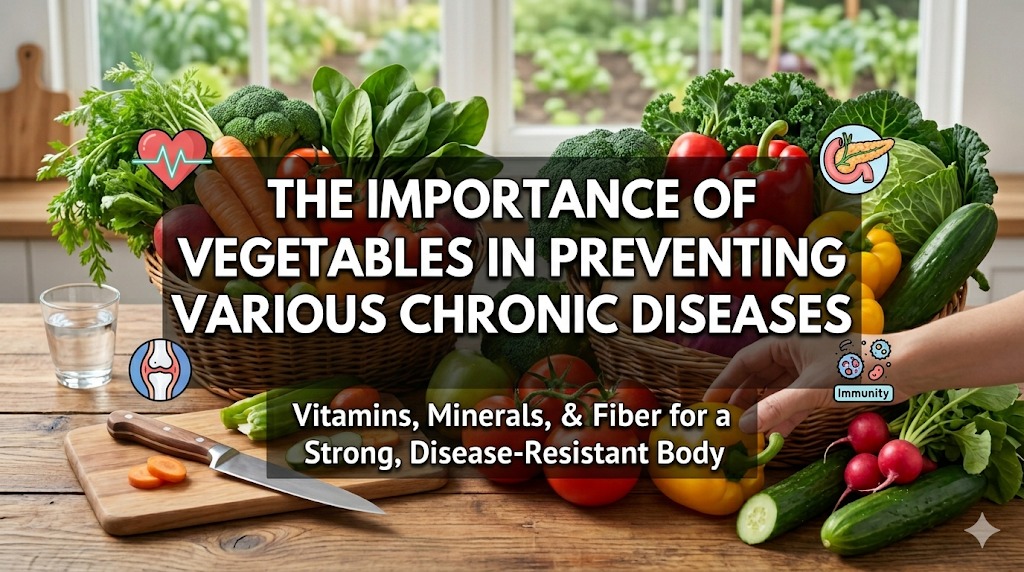
Vegetables are a fundamental part of a healthy diet and play a crucial role in preventing chronic diseases. Rich in vitamins, minerals, fiber, and antioxidants, vegetables provide essential nutrients that support overall well-being. In today’s fast-paced lifestyle, where processed foods are widely consumed, incorporating more vegetables into daily meals is more important than ever.
Chronic diseases such as heart disease, diabetes, and certain cancers are among the leading causes of death worldwide. Fortunately, adopting a balanced diet that includes a variety of vegetables can significantly reduce these risks.
NUTRIENT-RICH PROFILE OF VEGETABLES
Vegetables are packed with essential nutrients that the body needs to function properly. They contain vitamins such as vitamin A, C, and K, as well as minerals like potassium and magnesium.
In addition, vegetables are high in dietary fiber, which aids digestion and helps maintain a healthy gut. Their low calorie content also makes them ideal for weight management.
ROLE OF ANTIOXIDANTS IN DISEASE PREVENTION
Many vegetables are rich in antioxidants, compounds that protect the body from oxidative stress caused by free radicals. Oxidative stress is a major factor in the development of chronic diseases.
By neutralizing harmful molecules, antioxidants help reduce inflammation and support the body’s natural defense system.
REDUCING THE RISK OF HEART DISEASE
A diet rich in vegetables is strongly associated with a lower risk of cardiovascular diseases. Vegetables help reduce blood pressure, lower cholesterol levels, and improve overall heart health.
Leafy greens, in particular, are known for their ability to support healthy blood circulation and reduce the risk of heart-related conditions.
SUPPORTING BLOOD SUGAR CONTROL
Vegetables play an important role in regulating blood sugar levels. High-fiber vegetables slow down the absorption of sugar in the bloodstream, helping to prevent spikes in blood glucose.
This makes vegetables especially beneficial for individuals with diabetes or those at risk of developing the condition.
LOWERING THE RISK OF CERTAIN CANCERS
Regular consumption of vegetables has been linked to a reduced risk of several types of cancer. Compounds found in vegetables, such as phytochemicals, have protective effects against cell damage.
Cruciferous vegetables like broccoli and cabbage are particularly known for their cancer-fighting properties.
PROMOTING HEALTHY WEIGHT MANAGEMENT
Maintaining a healthy weight is essential for preventing chronic diseases. Vegetables are low in calories but high in volume, making them filling and satisfying.
Including more vegetables in meals can help control appetite and reduce overall calorie intake, supporting long-term weight management.
CONCLUSION
Vegetables are a powerful tool in preventing various chronic diseases. Their rich nutrient content, combined with their ability to support heart health, regulate blood sugar, and protect against cancer, makes them essential in a balanced diet.
Incorporating a wide variety of vegetables into daily meals is a simple yet effective step toward a healthier lifestyle. By making vegetables a priority, individuals can significantly improve their long-term health and well-being.
Tentang Penulis
Gusti Ayu Tita
Penulis — Universitas STEKOM
Penulis aktif yang berfokus pada isu-isu akademik, teknologi pendidikan, dan pengembangan sumber daya manusia di lingkungan kampus.