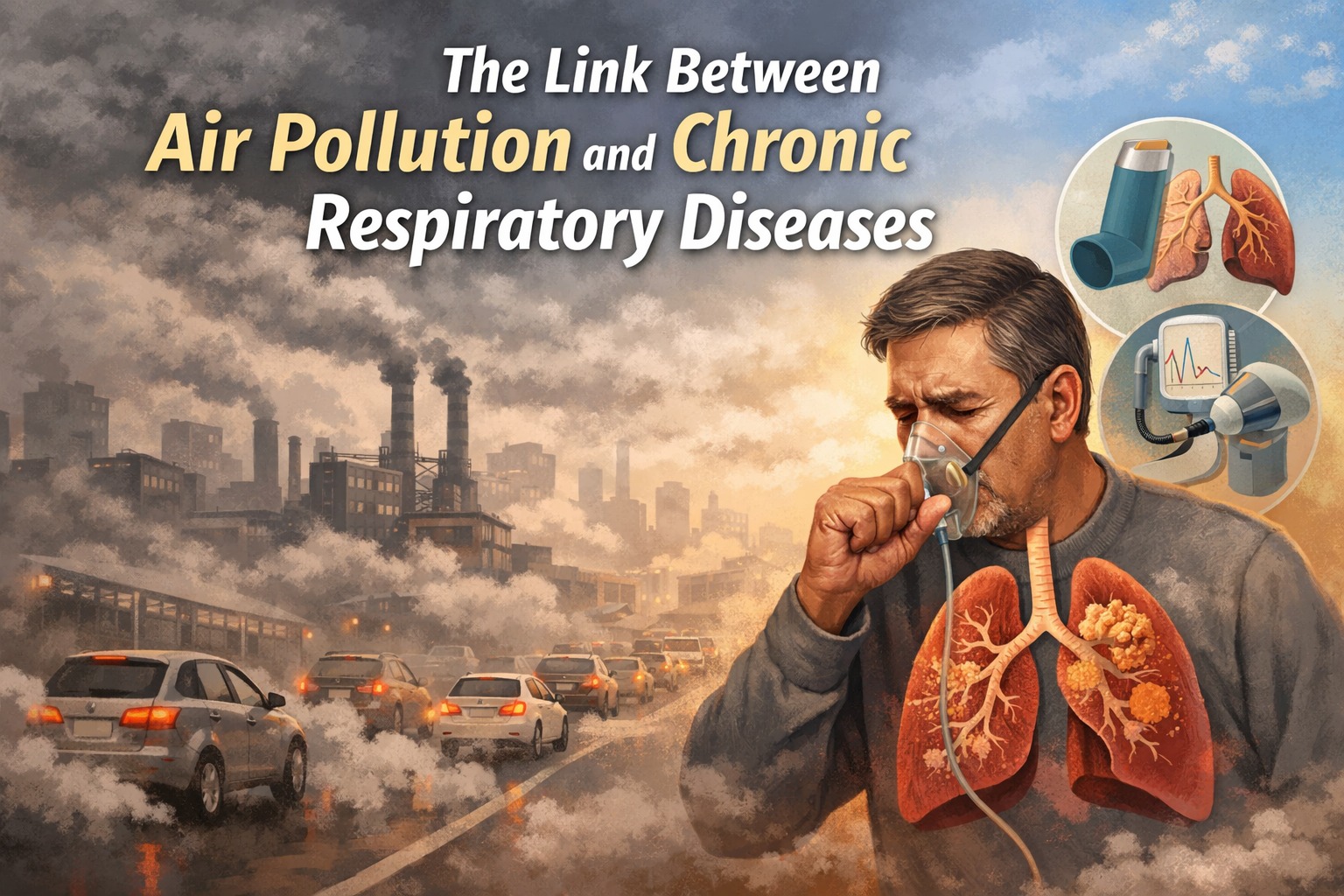
Air pollution has become one of the biggest environmental and health challenges in the modern world. Rapid industrial growth, increasing vehicle emissions, and the burning of fossil fuels continue to worsen air quality in many countries. While pollution affects the environment, its impact on human health is even more alarming. One of the most serious consequences is the growing number of chronic respiratory diseases linked to polluted air.
Millions of people breathe contaminated air every day without realizing the long-term damage it can cause. From asthma to chronic obstructive pulmonary disease (COPD), respiratory illnesses are increasingly associated with poor air quality. Understanding this connection is essential for improving public health and reducing disease risks.
WHAT IS AIR POLLUTION?
Air pollution refers to the presence of harmful substances in the atmosphere. These pollutants may come from natural sources such as wildfires and volcanic eruptions, but most are produced by human activities. Common pollutants include carbon monoxide, sulfur dioxide, nitrogen oxides, ozone, and fine particulate matter known as PM2.5.
Factories, power plants, motor vehicles, and household burning activities are major contributors to air pollution. In urban areas, traffic emissions are often the largest source of contaminated air.
HOW AIR POLLUTION DAMAGES THE RESPIRATORY SYSTEM
The respiratory system is highly sensitive to airborne pollutants. When polluted air is inhaled, tiny particles and toxic gases enter the lungs and irritate the airways. Continuous exposure can trigger inflammation, reduce lung function, and weaken the body’s natural defense mechanisms.
Fine particles such as PM2.5 are especially dangerous because they are small enough to penetrate deep into the lungs and even enter the bloodstream. Over time, this can lead to severe and long-lasting respiratory problems.
CHRONIC RESPIRATORY DISEASES LINKED TO AIR POLLUTION
ASTHMA
Air pollution is a major trigger for asthma attacks. Polluted air can inflame the airways, causing coughing, wheezing, chest tightness, and difficulty breathing. Children living in heavily polluted cities are particularly vulnerable to developing asthma at an early age.
CHRONIC OBSTRUCTIVE PULMONARY DISEASE (COPD)
COPD is a chronic lung disease that includes emphysema and chronic bronchitis. Long-term exposure to polluted air significantly increases the risk of developing COPD. People who already suffer from the disease may experience worsening symptoms during periods of poor air quality.
LUNG CANCER
Several studies have shown that prolonged exposure to air pollution can increase the risk of lung cancer, even in non-smokers. Toxic chemicals and fine particles in polluted air may damage lung tissue and contribute to cancer development over time.
RESPIRATORY INFECTIONS
Polluted air weakens the respiratory system and makes it easier for viruses and bacteria to infect the lungs. This can lead to frequent respiratory infections such as pneumonia and bronchitis, especially among older adults and young children.
WHO IS MOST AT RISK?
Although air pollution affects everyone, certain groups face higher health risks. Children, older adults, pregnant women, and individuals with pre-existing respiratory conditions are more vulnerable to polluted environments.
People who work outdoors or live near industrial areas and busy roads are also more likely to experience long-term exposure to harmful pollutants.
WAYS TO REDUCE THE IMPACT OF AIR POLLUTION
Reducing exposure to polluted air is important for protecting respiratory health. Individuals can take several preventive measures, including:
- Wearing masks in highly polluted areas
- Using air purifiers indoors
- Avoiding outdoor activities during heavy pollution periods
- Planting more trees around residential areas
- Supporting clean energy and environmentally friendly transportation
Governments and communities also play a critical role by implementing stricter environmental regulations and promoting sustainable development.
THE IMPORTANCE OF PUBLIC AWARENESS
Public awareness is essential in the fight against air pollution. Educating communities about the health risks associated with polluted air can encourage healthier habits and stronger environmental responsibility.
Schools, healthcare providers, and media platforms can help spread information about pollution prevention and respiratory health protection. Increased awareness can inspire collective action to create cleaner and healthier environments for future generations.
CONCLUSION
The connection between air pollution and chronic respiratory diseases is undeniable. Continuous exposure to polluted air can severely damage the lungs and increase the risk of serious illnesses such as asthma, COPD, lung cancer, and respiratory infections. Protecting air quality is not only an environmental issue but also a critical public health priority.
By reducing pollution levels and increasing public awareness, societies can help lower the number of respiratory diseases and improve overall quality of life. Cleaner air means healthier lungs and a healthier future for everyone.
Tentang Penulis
Gusti Ayu Tita
Penulis — Universitas STEKOM
Penulis aktif yang berfokus pada isu-isu akademik, teknologi pendidikan, dan pengembangan sumber daya manusia di lingkungan kampus.