
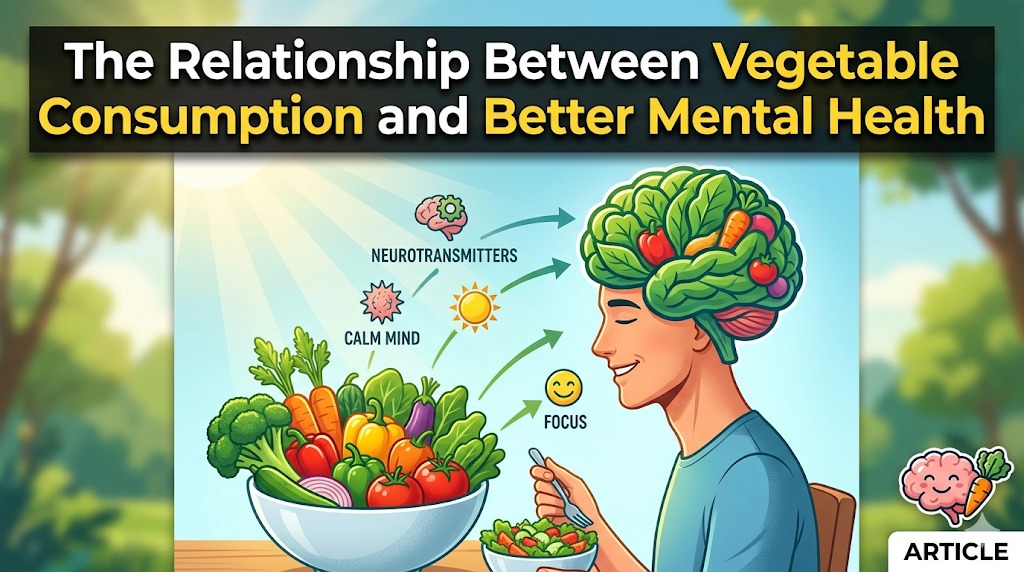
Mental health has become an increasingly important topic in modern society. While factors such as stress, lifestyle, and environment play a role, nutrition is often overlooked as a key contributor to psychological well-being. Among various dietary components, vegetables stand out as a powerful source of nutrients that can positively influence mental health.
Scientific research continues to highlight the connection between what we eat and how we feel. Incorporating vegetables into daily meals is not only beneficial for physical health but also essential for maintaining a balanced and healthy mind.
NUTRIENTS IN VEGETABLES THAT SUPPORT BRAIN HEALTH
Vegetables are rich in essential nutrients such as vitamins, minerals, antioxidants, and fiber. Nutrients like vitamin B complex, vitamin C, magnesium, and folate are known to support brain function and regulate mood.
These compounds help reduce inflammation and oxidative stress in the brain, which are often linked to anxiety and depression. A diet rich in vegetables can provide the necessary building blocks for optimal mental performance.
THE ROLE OF ANTIOXIDANTS IN REDUCING STRESS
Many vegetables, especially leafy greens and colorful varieties, contain high levels of antioxidants. These substances help combat free radicals that can damage brain cells.
By protecting the brain from oxidative stress, antioxidants contribute to improved mood stability and reduced mental fatigue. This makes vegetables an important part of a stress-reducing diet.
IMPACT ON MOOD AND EMOTIONAL BALANCE
Regular consumption of vegetables has been associated with improved mood and emotional well-being. Diets rich in plant-based foods are often linked to lower rates of depression and anxiety.
Vegetables help regulate neurotransmitters such as serotonin and dopamine, which play a crucial role in mood regulation. This connection explains why healthier eating patterns often lead to better emotional balance.
GUT HEALTH AND THE BRAIN CONNECTION
The gut and brain are closely connected through what is known as the gut-brain axis. Vegetables, being high in fiber, promote the growth of beneficial gut bacteria.
A healthy gut microbiome supports the production of neurotransmitters and reduces inflammation, both of which are essential for maintaining good mental health.
LONG-TERM BENEFITS OF A VEGETABLE-RICH DIET
Incorporating vegetables into your daily diet can lead to long-term mental health benefits. Over time, consistent intake of nutrient-rich foods supports cognitive function, memory, and overall brain health.
This habit not only improves current well-being but also reduces the risk of mental health disorders in the future.
PRACTICAL TIPS TO INCREASE VEGETABLE INTAKE
Adding more vegetables to your diet does not have to be difficult. Simple steps such as including vegetables in every meal, trying new recipes, or choosing fresh snacks can make a big difference.
Variety is also important—consuming different types of vegetables ensures a wider range of nutrients that support both physical and mental health.
CONCLUSION
The relationship between vegetable consumption and mental health is clear and supported by growing evidence. Vegetables provide essential nutrients that support brain function, reduce stress, and promote emotional balance.
By making vegetables a regular part of your diet, you can take a simple yet powerful step toward improving your mental well-being and overall quality of life.
Tentang Penulis
Gusti Ayu Tita
Penulis — Universitas STEKOM
Penulis aktif yang berfokus pada isu-isu akademik, teknologi pendidikan, dan pengembangan sumber daya manusia di lingkungan kampus.



