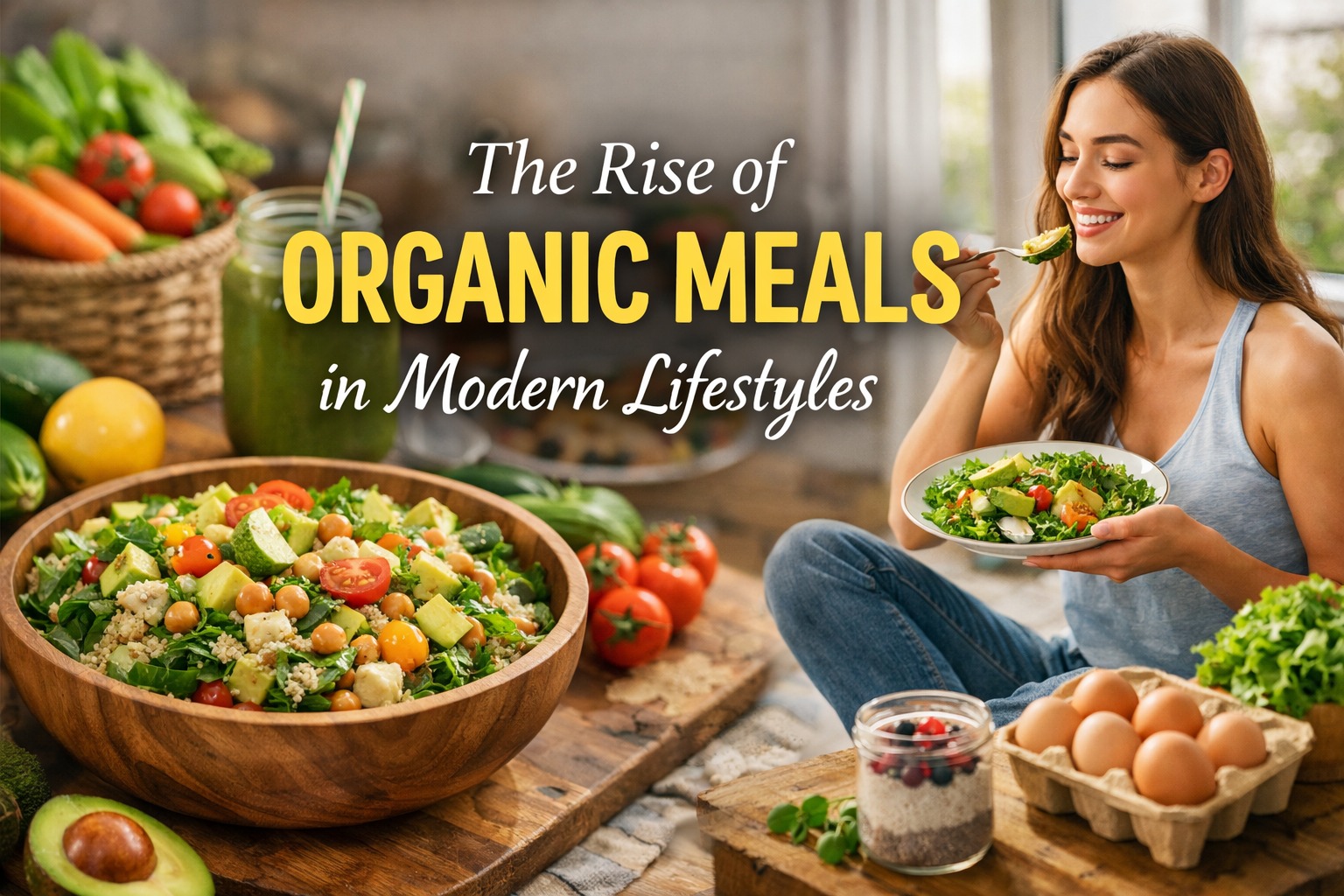
In recent years, organic meals have become one of the most popular food trends around the world. More people are choosing organic ingredients because they believe these foods are healthier, safer, and more environmentally friendly. From busy professionals to young families, modern consumers are starting to pay closer attention to what they eat every day. The rise of organic meals is not only changing eating habits but also influencing the future of agriculture and healthy living.
WHAT ARE ORGANIC MEALS?
Organic meals are dishes made from ingredients grown and produced without harmful chemicals, synthetic pesticides, or artificial fertilizers. Organic farming also avoids the use of genetically modified organisms (GMOs) and focuses on natural methods to maintain soil quality and protect the environment.
Organic foods commonly include:
- Fresh vegetables and fruits
- Organic rice and grains
- Free-range eggs
- Grass-fed meat
- Dairy products without artificial hormones
These foods are often considered fresher and more natural compared to conventionally produced products.
WHY ORGANIC MEALS ARE BECOMING POPULAR
The growing awareness of health and wellness is one of the biggest reasons behind the popularity of organic meals. Many people want to reduce their exposure to chemicals and improve their overall diet.
Several factors contribute to this trend:
Health Awareness
Consumers today are more educated about nutrition and food quality. Organic foods are often associated with higher nutritional value and fewer harmful substances.
Environmental Concerns
Organic farming methods help reduce pollution, conserve water, and protect biodiversity. People who care about sustainability often choose organic meals to support eco-friendly agriculture.
Better Taste and Freshness
Many consumers believe organic ingredients taste fresher and more natural. Restaurants and cafes now promote farm-to-table concepts using locally sourced organic produce.
Social Media Influence
Healthy lifestyle content on social media platforms has encouraged more individuals to adopt clean eating habits. Influencers and nutrition experts frequently share organic meal ideas, making the trend even more attractive.
BENEFITS OF EATING ORGANIC MEALS
Switching to organic meals can provide several advantages for both individuals and the environment.
Reduced Chemical Exposure
Organic foods are produced with minimal synthetic chemicals, helping consumers avoid excessive pesticide residues.
Improved Lifestyle Choices
People who eat organic meals often combine them with healthier habits such as regular exercise, proper hydration, and balanced nutrition.
Support for Local Farmers
Buying organic products often supports small-scale farmers who use sustainable farming practices.
Environmental Protection
Organic agriculture promotes healthier soil, cleaner water, and lower environmental damage compared to conventional farming methods.
CHALLENGES OF ORGANIC FOOD CONSUMPTION
Despite its growing popularity, organic food still faces several challenges.
Higher Prices
Organic products are usually more expensive because they require more careful farming processes and lower production volumes.
Limited Availability
In some areas, organic ingredients are not easily accessible, especially in smaller towns or rural regions.
Shorter Shelf Life
Organic foods generally contain fewer preservatives, making them spoil faster than processed foods.
However, many consumers still consider organic meals a worthwhile investment for long-term health and sustainability.
THE FUTURE OF ORGANIC MEALS
The future of organic meals looks promising as more people adopt healthier lifestyles. Restaurants, supermarkets, and food delivery services are expanding their organic product options to meet increasing demand.
Technology is also helping organic farming become more efficient. Modern agricultural innovations can improve crop quality while maintaining environmentally friendly practices. As awareness continues to grow, organic meals may become a regular part of daily life for many households worldwide.
CONCLUSION
The rise of organic meals in modern lifestyles reflects a global shift toward healthier and more sustainable living. People are becoming more conscious of the food they consume and the impact it has on both personal health and the environment. Although organic foods may cost more, their long-term benefits continue to attract consumers from different generations. With increasing awareness and accessibility, organic meals are expected to remain an important part of modern food culture.
Tentang Penulis
Gusti Ayu Tita
Penulis — Universitas STEKOM
Penulis aktif yang berfokus pada isu-isu akademik, teknologi pendidikan, dan pengembangan sumber daya manusia di lingkungan kampus.