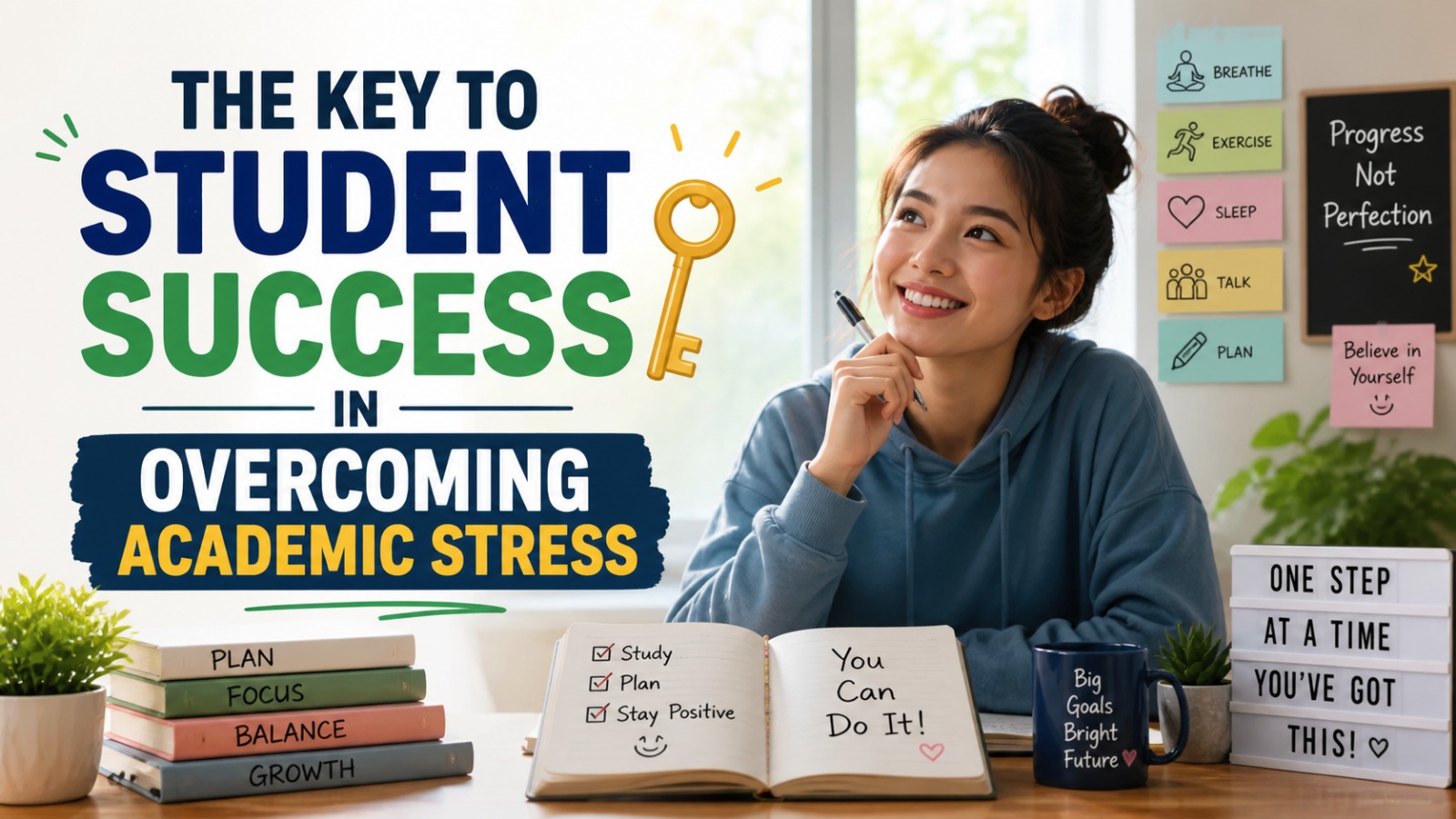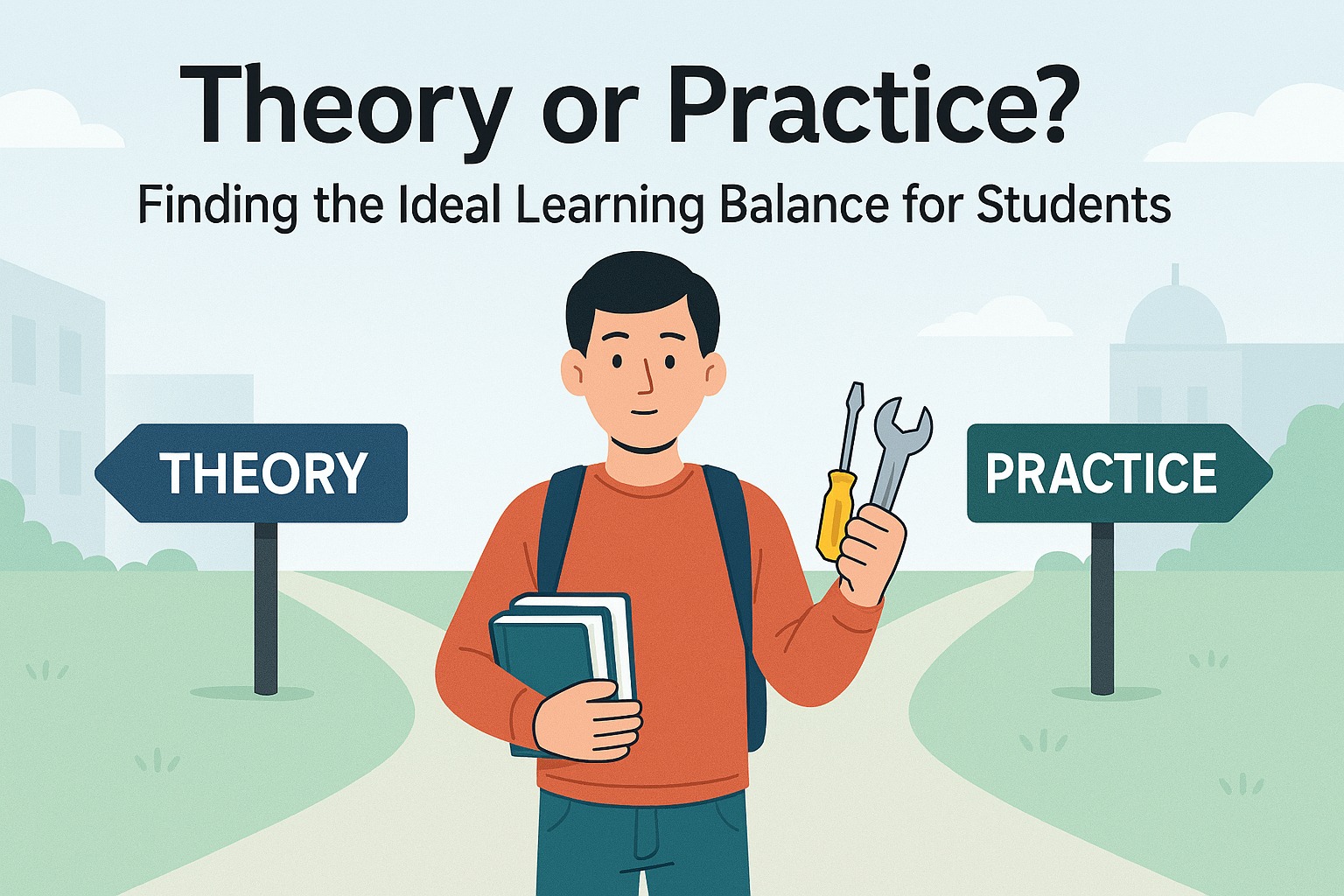
In today’s rapidly changing world, education is no longer just about memorizing theories or mastering practical skills in isolation. Students are expected to think critically, adapt quickly, and apply knowledge in real-world situations. This raises an important question: should students focus more on theory or practice? The answer lies in finding the right balance between the two. A learning approach that combines strong theoretical foundations with meaningful practical experiences helps students become more competent, confident, and career-ready. Understanding how theory and practice complement each other is key to effective learning.
THE ROLE OF THEORY IN BUILDING STRONG FOUNDATIONS
Theory plays a fundamental role in education. It provides students with essential concepts, principles, and frameworks that explain how and why things work. Without theory, learning becomes fragmented and superficial.
Theoretical knowledge helps students:
- Understand core concepts and systems
- Develop logical and analytical thinking
- Build a structured way of approaching problems
By mastering theory, students gain the intellectual tools needed to evaluate situations, predict outcomes, and make informed decisions.
WHY PRACTICE IS ESSENTIAL FOR REAL-WORLD READINESS
While theory explains concepts, practice brings them to life. Practical learning allows students to apply what they have learned in real or simulated environments. This process helps bridge the gap between academic knowledge and real-world demands.
Through practice, students can:
- Improve problem-solving and decision-making skills
- Gain hands-on experience and confidence
- Learn from mistakes in a controlled setting
Practical experiences such as internships, projects, and case studies make learning more engaging and relevant.
THE RISKS OF FOCUSING ON ONLY ONE APPROACH
An education system that emphasizes only theory may produce graduates who understand concepts but struggle to apply them. On the other hand, focusing solely on practice without a theoretical base can limit critical thinking and long-term adaptability.
Key risks include:
- Theoretical focus only: limited real-world application
- Practical focus only: weak conceptual understanding
- Lack of adaptability in complex situations
This imbalance can reduce students’ ability to grow and succeed in evolving professional environments.
HOW TO ACHIEVE THE IDEAL BALANCE
The ideal learning balance is achieved when theory and practice reinforce each other. Students should first understand the theoretical concepts and then apply them through practical activities.
Effective strategies include:
- Case-based learning linked to theoretical topics
- Project-based assignments that solve real problems
- Internships and simulations guided by academic concepts
This approach allows students to see the relevance of theory while strengthening their practical skills.
THE ROLE OF EDUCATORS AND INSTITUTIONS
Educators and institutions play a vital role in creating balanced learning environments. Lecturers and teachers should design courses that integrate theory with real-world examples and hands-on activities.
Institutions can support this balance by:
- Collaborating with industries and organizations
- Updating curricula to reflect current needs
- Encouraging experiential and applied learning
Such efforts ensure students are better prepared for both academic and professional challenges.
KEY BENEFITS OF BALANCED LEARNING FOR STUDENTS
When students experience a balance between theory and practice, they gain multiple long-term benefits:
- Deeper understanding of subjects
- Stronger problem-solving abilities
- Higher confidence and adaptability
- Better career readiness
Balanced learning not only improves academic performance but also equips students with skills that remain valuable throughout their lives.
CONCLUSION
The debate between theory and practice should not be about choosing one over the other. Instead, the goal is to create a learning experience where both elements work together. By combining solid theoretical knowledge with practical application, students can develop a well-rounded skill set that prepares them for real-world challenges and lifelong learning.
Tentang Penulis
Gusti Ayu Tita
Penulis — Universitas STEKOM
Penulis aktif yang berfokus pada isu-isu akademik, teknologi pendidikan, dan pengembangan sumber daya manusia di lingkungan kampus.