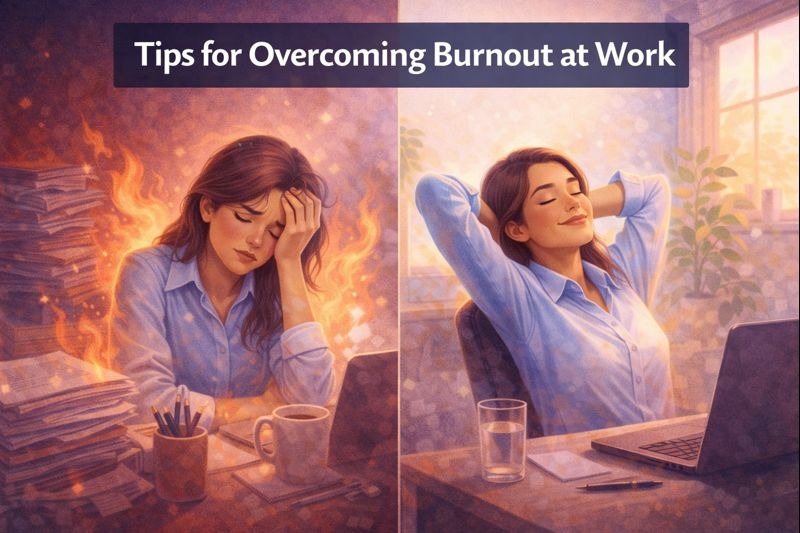
How to Overcome Burnout in the Workplace
Burnout, or emotional exhaustion caused by work, is a common problem faced by many employees. Burnout can reduce productivity and negatively affect mental health. Therefore, it is important to understand how to overcome burnout in order to continue working effectively without sacrificing well-being. Below are several practical tips that can help you manage burnout in the workplace.
1. Understanding the Signs of Burnout
The first step in overcoming burnout is recognizing its warning signs.
Common symptoms include physical and emotional exhaustion, decreased work motivation, cynicism toward work, and feelings of helplessness or ineffectiveness.
Identifying these signs early allows you to take preventive action before burnout becomes more severe.
2. Setting Work Priorities
One of the main causes of burnout is an excessive workload or too many tasks at once.
Effective prioritization helps reduce pressure and improve efficiency.
Create a daily task list, focus on the most important responsibilities, and delegate tasks when possible. This approach allows you to work more efficiently without feeling overwhelmed.
3. Getting Enough Rest
Never underestimate the importance of taking breaks.
Regular rest helps reduce stress and restore mental energy.
Take short breaks during work hours and use lunch breaks to step away from your desk, take a walk, or simply relax so you can return to work feeling refreshed.
4. Maintaining Work–Life Balance
A healthy balance between work and personal life is essential in preventing burnout.
Continuous work without personal time increases the risk of emotional exhaustion.
Clearly separate work time from personal time and make room for activities you enjoy outside of work, such as hobbies or spending time with family and friends.
5. Improving Communication Skills
If your workload feels overwhelming, do not hesitate to communicate with your supervisor.
Open communication can reduce work-related pressure.
Discuss the challenges you are facing and explore solutions together, such as adjusting workloads or extending deadlines.
6. Practicing Relaxation Techniques
Relaxation techniques such as meditation, yoga, or breathing exercises can help reduce work-related stress.
These practices calm the mind and promote relaxation.
Set aside a few minutes each day to practice relaxation so both your body and mind remain balanced.
7. Maintaining Physical Health
Good physical health plays a major role in preventing burnout.
A healthy lifestyle supports mental resilience.
Ensure you get enough sleep, eat nutritious meals, and exercise regularly. Light physical activities such as walking, cycling, or jogging can help release stress and boost positive energy.
8. Consulting a Psychologist When Needed
If burnout becomes overwhelming and difficult to manage on your own, seek professional help.
Psychologists or counselors can provide effective stress management strategies.
Professional support can help you better cope with workplace pressure and protect your mental health.
9. Conclusion
Workplace burnout is a serious issue that can disrupt productivity and overall well-being.
By recognizing the signs early, setting priorities, taking adequate rest, maintaining work–life balance, and communicating openly, burnout can be managed more effectively.
Remember to care for both your physical and mental health so you can continue performing optimally at work.
Tentang Penulis
Gusti Ayu Tita
Penulis — Universitas STEKOM
Penulis aktif yang berfokus pada isu-isu akademik, teknologi pendidikan, dan pengembangan sumber daya manusia di lingkungan kampus.