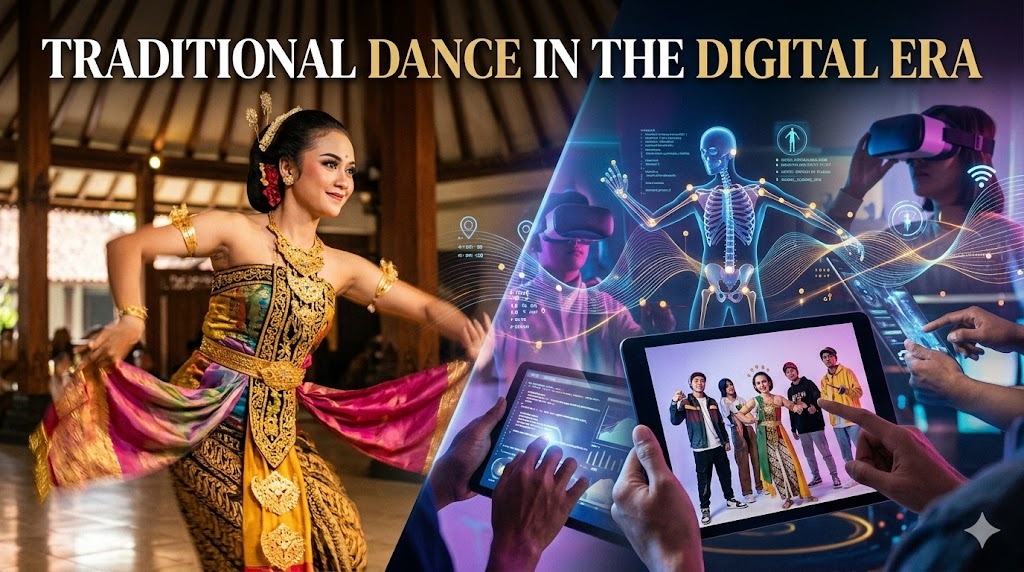
Traditional dance is more than artistic movement—it is a living expression of history, identity, and cultural values. Across the world, communities have passed down dance traditions for generations as a way to tell stories, celebrate rituals, and strengthen social bonds. Today, in the middle of rapid technological growth, traditional dance faces both challenges and exciting opportunities in the digital era.
The rise of social media, streaming platforms, and digital content creation has transformed how traditional dance is preserved, shared, and appreciated. Rather than disappearing, many traditional dances are finding new life online.
THE ROLE OF TRADITIONAL DANCE IN CULTURAL IDENTITY
Traditional dance reflects the history and beliefs of a community. Each movement, costume, and rhythm carries symbolic meaning that connects modern society to its roots.
For many cultures, traditional dance serves as:
* A tool for preserving heritage
* A form of storytelling
* A symbol of national pride
* A way to strengthen community unity
When people learn and perform traditional dance, they actively participate in preserving cultural identity.
CHALLENGES IN THE DIGITAL ERA
Despite its importance, traditional dance faces several obstacles in modern society.
### DECLINING INTEREST AMONG YOUTH
Younger generations are increasingly drawn to global pop culture and modern entertainment. Traditional dance is sometimes seen as old-fashioned or less appealing compared to viral trends.
### LIMITED ACCESS TO TRADITIONAL TRAINING
Urban lifestyles and busy schedules make it harder for people to attend in-person dance classes or cultural workshops.
### RISK OF CULTURAL MISREPRESENTATION
In the digital space, traditional dances may be simplified or altered for entertainment, which can lead to loss of authenticity.
DIGITAL TECHNOLOGY AS A NEW OPPORTUNITY
While technology brings challenges, it also offers powerful tools to preserve and promote traditional dance.
### SOCIAL MEDIA PROMOTION
Platforms like video-sharing apps and short-form content platforms allow dancers to showcase traditional performances to global audiences. Viral videos can introduce cultural dances to millions of viewers in seconds.
### ONLINE LEARNING AND VIRTUAL CLASSES
Digital platforms enable dance instructors to teach students from different parts of the world. This expands access to traditional dance education beyond geographical boundaries.
### DIGITAL ARCHIVING
Recording performances and storing them in digital libraries helps preserve traditional dances for future generations. This ensures that knowledge is not lost over time.
### GLOBAL COLLABORATION
Dancers from different cultures can collaborate online, creating cultural exchange and increasing appreciation for diversity.
THE ROLE OF YOUNG GENERATIONS
Young people play a key role in ensuring traditional dance remains relevant. By combining creativity with technology, they can present traditional dance in modern ways without losing its cultural essence.
Examples include:
* Creating short educational videos
* Sharing dance tutorials online
* Combining traditional dance with contemporary storytelling
* Organizing virtual cultural festivals
These efforts help traditional dance stay connected to modern audiences.
CONCLUSION
Traditional dance is not fading in the digital era—it is evolving. Technology has opened new paths for preservation, education, and global appreciation. By embracing digital tools while respecting authenticity, traditional dance can continue to thrive and inspire future generations.
The future of traditional dance depends on collaboration between communities, educators, artists, and young creators. Together, they can ensure that cultural heritage remains vibrant in a rapidly changing world.
Tentang Penulis
Gusti Ayu Tita
Penulis — Universitas STEKOM
Penulis aktif yang berfokus pada isu-isu akademik, teknologi pendidikan, dan pengembangan sumber daya manusia di lingkungan kampus.