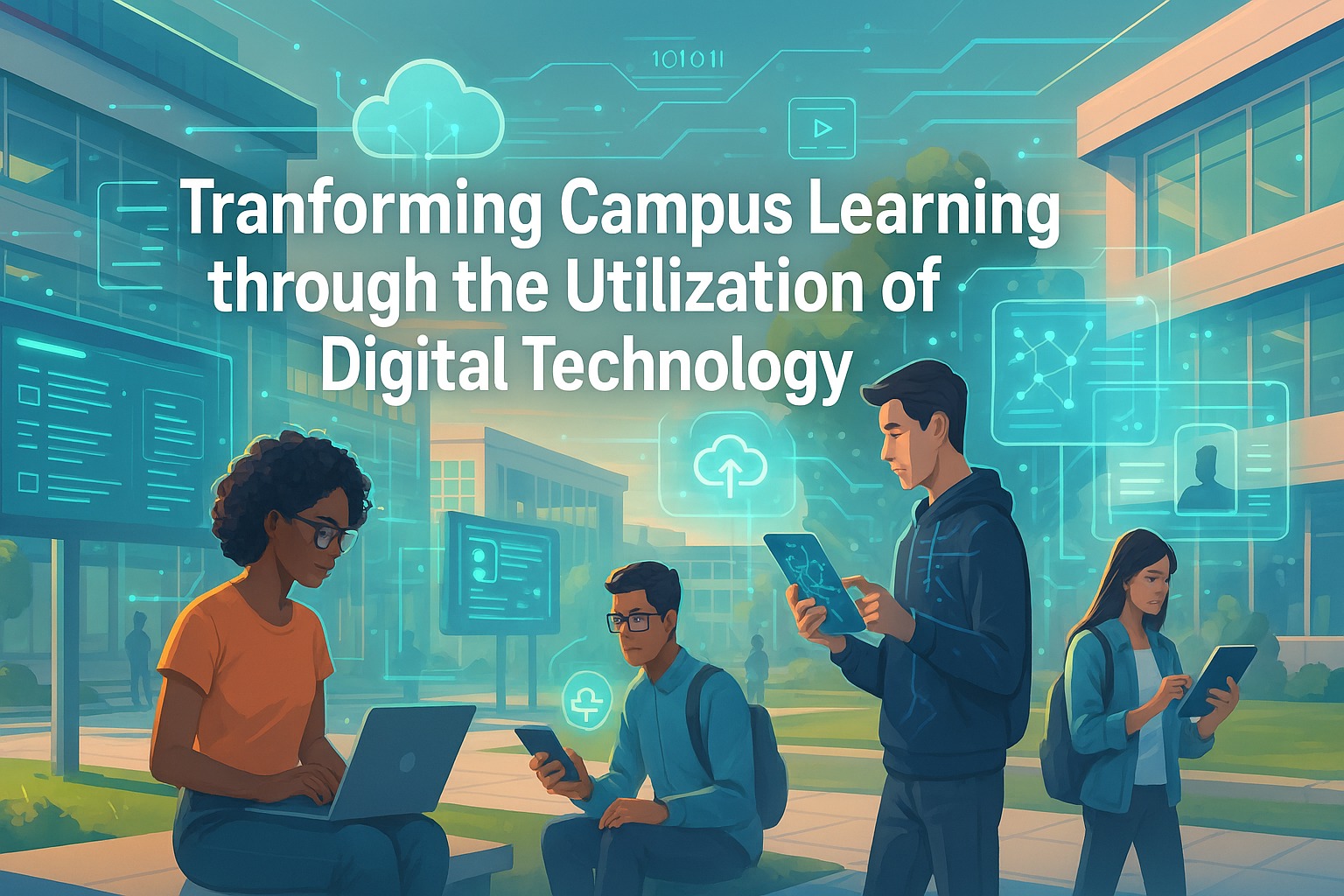
The rapid development of digital technology has significantly reshaped many aspects of human life, including education. Universities and colleges are no longer limited to traditional classroom settings, as digital tools have opened new pathways for learning. This transformation is not merely about adopting technology but about redefining how knowledge is delivered and absorbed.
In the modern academic environment, students are expected to be more independent, creative, and adaptable. Digital platforms provide opportunities for interactive learning that goes beyond textbooks and lectures. As a result, higher education institutions must continuously evolve to stay relevant in the digital age.
The integration of technology in campus learning also supports a more inclusive educational experience. Students from diverse backgrounds can access the same resources, reducing barriers to quality education. This accessibility ensures that learning becomes more equitable and flexible.
Ultimately, digital transformation in education is not just a trend but a necessity. Institutions that embrace this change are better positioned to prepare students for the demands of a technology-driven world.
THE ROLE OF DIGITAL TECHNOLOGY IN ENHANCING LEARNING EXPERIENCES
Digital technology plays a crucial role in creating more engaging and dynamic learning environments. Tools such as learning management systems, virtual classrooms, and multimedia content allow students to interact with course materials in new and meaningful ways. This enhances both understanding and retention.
Interactive features such as quizzes, discussion forums, and real-time feedback help students stay actively involved in their learning process. Unlike traditional methods, digital platforms encourage participation and collaboration among students and lecturers.
Another advantage is the personalization of learning experiences. Students can learn at their own pace, revisit materials, and explore additional resources that suit their individual needs. This flexibility is particularly beneficial for students with different learning styles.
Moreover, digital tools enable the integration of global perspectives into the curriculum. Students can access international resources, attend virtual seminars, and collaborate with peers from different countries, enriching their academic experience.
CHALLENGES IN IMPLEMENTING DIGITAL LEARNING ON CAMPUS
Despite its many benefits, the implementation of digital learning in higher education is not without challenges. One of the primary issues is the lack of adequate infrastructure, especially in developing regions. Reliable internet access and modern devices are essential for effective digital learning.
Another challenge is the digital literacy gap among both students and educators. Not all individuals are equally comfortable using technology, which can hinder the learning process. Training and support are necessary to ensure that everyone can fully benefit from digital tools.
There is also the issue of maintaining student engagement in online environments. Without face-to-face interaction, some students may feel disconnected or less motivated. Institutions must develop strategies to keep students engaged and accountable.
Additionally, concerns about data security and privacy cannot be ignored. As more educational activities move online, protecting sensitive information becomes increasingly important. Universities must invest in secure systems to safeguard their digital environments.
STRATEGIES FOR EFFECTIVE DIGITAL LEARNING IN HIGHER EDUCATION
To successfully implement digital learning, institutions must adopt well-planned strategies. One key approach is investing in reliable technology infrastructure that supports seamless access to digital resources. This ensures that students and educators can participate without technical disruptions.
Training programs for both lecturers and students are equally important. By improving digital literacy, institutions can maximize the effectiveness of technology in education. Educators, in particular, need to develop new teaching methods that align with digital platforms.
Another effective strategy is incorporating interactive and collaborative elements into online learning. Group projects, virtual discussions, and peer feedback can help maintain engagement and foster a sense of community among students.
Continuous evaluation and improvement are also essential. Institutions should regularly assess the effectiveness of their digital learning initiatives and make necessary adjustments based on feedback and technological advancements.
THE FUTURE OF CAMPUS LEARNING IN THE DIGITAL ERA
The future of campus learning is closely tied to the ongoing development of digital technology. Innovations such as artificial intelligence, virtual reality, and data analytics are expected to further transform the educational landscape. These technologies will enable more immersive and personalized learning experiences.
Blended learning models, which combine online and offline methods, are likely to become the standard in higher education. This approach offers the best of both worlds, providing flexibility while maintaining the benefits of in-person interaction.
Furthermore, the role of educators will continue to evolve. Rather than being the sole source of knowledge, lecturers will act as facilitators who guide students in navigating digital resources and developing critical thinking skills.
As digital transformation continues, universities must remain adaptable and forward-thinking. By embracing innovation, they can create a learning environment that prepares students for future challenges and opportunities.
Tentang Penulis
Gusti Ayu Tita
Penulis — Universitas STEKOM
Penulis aktif yang berfokus pada isu-isu akademik, teknologi pendidikan, dan pengembangan sumber daya manusia di lingkungan kampus.