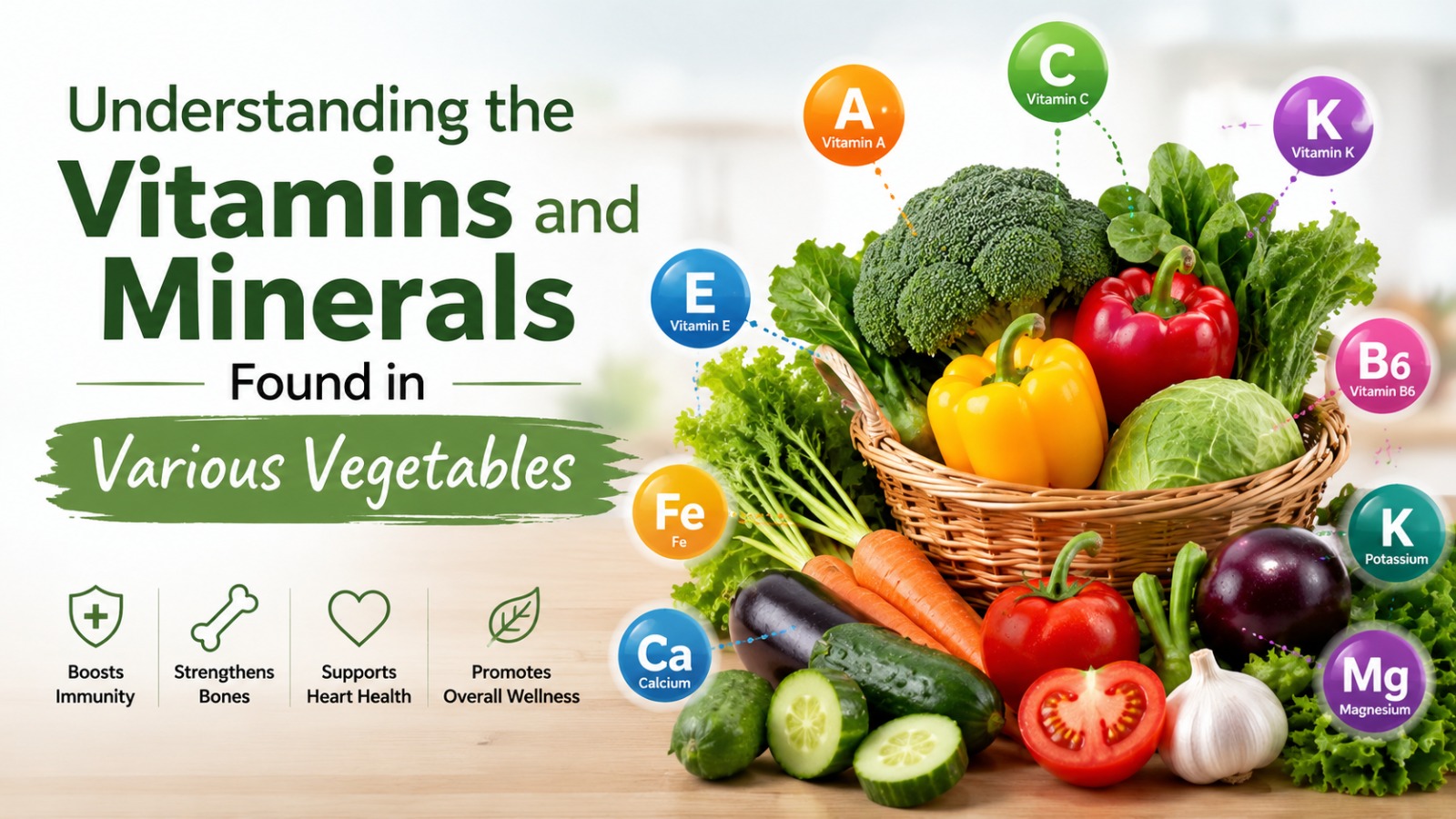
Vegetables are an essential part of a balanced diet, providing a wide range of vitamins and minerals that support overall health. Each type of vegetable contains unique nutrients that play specific roles in maintaining bodily functions, boosting immunity, and preventing chronic diseases.
Understanding the nutritional value of different vegetables can help individuals make healthier food choices and ensure they meet their daily nutrient requirements.
THE IMPORTANCE OF VITAMINS IN VEGETABLES
Vitamins are organic compounds that the body needs in small amounts to function properly. Many vegetables are rich in essential vitamins such as Vitamin A, Vitamin C, Vitamin K, and several B vitamins.
For example, carrots and sweet potatoes are high in Vitamin A, which supports eye health. Leafy greens like spinach and kale provide Vitamin K, important for blood clotting and bone health. Meanwhile, bell peppers and broccoli are excellent sources of Vitamin C, which strengthens the immune system.
ESSENTIAL MINERALS FOUND IN VEGETABLES
In addition to vitamins, vegetables are also packed with minerals such as potassium, calcium, iron, and magnesium. These nutrients are vital for maintaining strong bones, proper muscle function, and healthy blood circulation.
Spinach and other dark leafy greens are rich in iron, which helps transport oxygen in the blood. Potassium, found in vegetables like potatoes and tomatoes, supports heart health and regulates blood pressure.
COLOR VARIETY AND NUTRITIONAL BENEFITS
The color of vegetables often indicates the types of nutrients they contain. Green vegetables are typically rich in chlorophyll, fiber, and folate. Orange and yellow vegetables are high in beta-carotene, which the body converts into Vitamin A.
Red vegetables such as tomatoes contain lycopene, an antioxidant that supports heart health. Purple vegetables like eggplants and purple cabbage are rich in anthocyanins, which help protect cells from damage.
HEALTH BENEFITS OF REGULAR VEGETABLE CONSUMPTION
Consuming a variety of vegetables daily provides numerous health benefits. These include improved digestion, stronger immunity, better heart health, and reduced risk of chronic diseases such as diabetes and cancer.
Vegetables are also low in calories and high in fiber, making them ideal for maintaining a healthy weight and supporting digestive health.
TIPS FOR MAXIMIZING NUTRIENT INTAKE
To get the most nutrients from vegetables, it is important to prepare them properly. Steaming or lightly cooking vegetables can help preserve their vitamin content better than overcooking.
Eating a variety of vegetables in different colors ensures a broader intake of nutrients. Fresh, seasonal vegetables are often more nutrient-dense and flavorful.
CONCLUSION
Vegetables are a rich source of essential vitamins and minerals that are crucial for maintaining good health. By understanding the nutritional benefits of different vegetables, individuals can make informed dietary choices and improve their overall well-being.
Incorporating a wide range of vegetables into daily meals is a simple yet effective way to support long-term health and vitality.
Tentang Penulis
Gusti Ayu Tita
Penulis — Universitas STEKOM
Penulis aktif yang berfokus pada isu-isu akademik, teknologi pendidikan, dan pengembangan sumber daya manusia di lingkungan kampus.