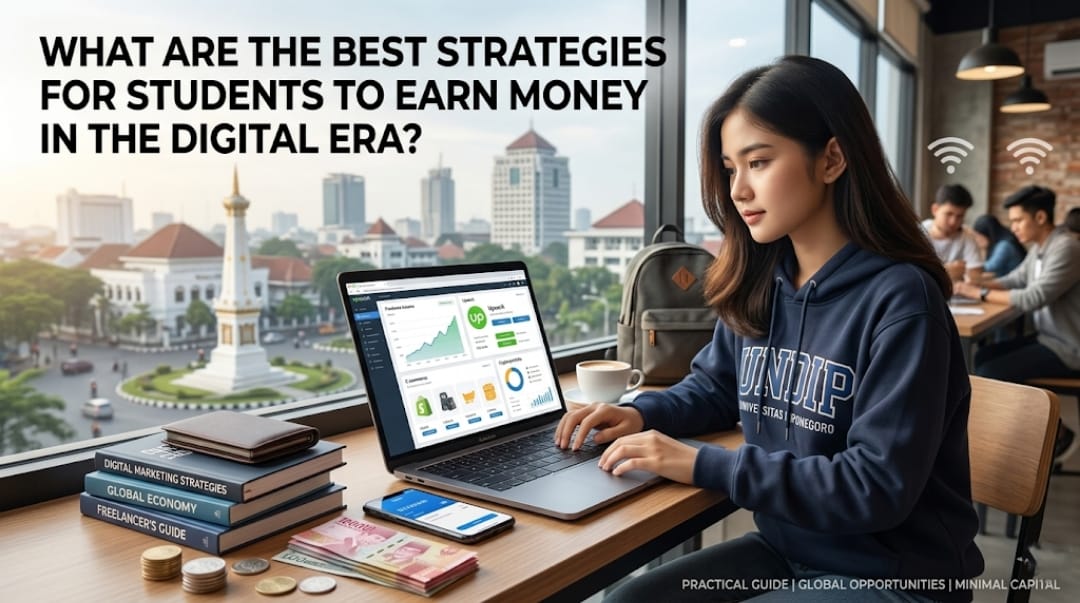
In the modern digital age, students have more opportunities than ever to earn money while managing their studies. The rise of online platforms, social media, and freelancing websites has created a landscape where creativity, skill, and determination can turn into financial gain. This article explores the best strategies for students to earn money in the digital era, combining practical advice with actionable steps.
UNDERSTANDING DIGITAL INCOME OPPORTUNITIES
Digital income refers to earning money through online platforms without the traditional constraints of a 9-to-5 job. For students, this flexibility is key because it allows them to balance academics and financial goals simultaneously. Understanding which platforms suit individual skills is the first step in building a stable digital income.
There are countless avenues for digital income, ranging from freelance writing, graphic design, video editing, social media management, to tutoring online. Students need to identify which of these aligns with their existing skill set and passion. Choosing the right niche increases efficiency and the likelihood of success.
Another critical aspect is understanding market demand. Platforms like Upwork, Fiverr, or even YouTube offer insight into trending services and products. Students should invest time in researching what clients are looking for, ensuring that their offerings meet market needs.
Finally, establishing an online presence is crucial. A professional social media profile, portfolio, or personal website serves as a digital resume. It allows potential clients or employers to evaluate skills, see past work, and build trust, which is essential for securing income-generating projects.
BUILDING MARKETABLE SKILLS
In the digital era, skills are currency. The more marketable skills a student possesses, the higher their potential earnings. Skills in demand include coding, digital marketing, video production, content creation, and graphic design. Developing proficiency in these areas enhances competitiveness.
Learning platforms such as Coursera, Udemy, and Khan Academy offer courses specifically designed to improve digital competencies. Investing time in these platforms can turn hobbies or interests into profitable skills. Many courses also provide certificates that add credibility to a student’s profile.
Equally important is practical experience. Working on small projects, participating in internships, or collaborating on group assignments builds a strong portfolio. Demonstrable experience is often more valuable than theoretical knowledge, especially when approaching potential clients or employers.
Finally, soft skills should not be underestimated. Communication, time management, and problem-solving abilities are critical in freelancing or digital entrepreneurship. Clients value professionals who can deliver high-quality work on time while maintaining clear communication.
LEVERAGING FREELANCE PLATFORMS
Freelance platforms are gateways to earning money online. Websites like Fiverr, Upwork, and Freelancer allow students to showcase their skills and bid for projects globally. These platforms provide exposure to various industries and clients, offering diverse income streams.
Students should start by creating detailed profiles highlighting their expertise, previous work, and achievements. A strong profile attracts more clients and increases the likelihood of project approvals. Additionally, setting competitive pricing can help gain initial traction in the digital marketplace.
Reviews and client feedback are essential on these platforms. Positive reviews build credibility and attract more lucrative opportunities. Students should focus on delivering high-quality work to establish a strong reputation early on.
Moreover, freelance platforms often provide tools for managing projects, tracking payments, and communicating with clients. Learning to utilize these tools efficiently saves time and helps maintain professionalism, which is critical for long-term success.
EXPLORING CONTENT CREATION AND SOCIAL MEDIA
Content creation has emerged as a highly lucrative avenue for students. Platforms like YouTube, TikTok, Instagram, and blogging websites allow students to monetize their creativity. Whether through videos, posts, or written articles, content can generate income via ads, sponsorships, and affiliate marketing.
Consistency is key in content creation. Students must develop a content schedule and maintain regular posting to engage audiences. Understanding the target demographic and tailoring content to their preferences increases reach and monetization potential.
Engaging with followers and building a community strengthens brand loyalty. Comments, messages, and interactive posts help creators understand audience interests and preferences, which can guide content strategy and future earnings.
Monetization methods vary. Ads, affiliate marketing, merchandise, and paid collaborations provide multiple revenue streams. Diversifying income ensures stability and reduces reliance on a single source, which is especially important in the unpredictable digital market.
STARTING ONLINE BUSINESSES AND E-COMMERCE
E-commerce provides students with another avenue to earn money digitally. Platforms like Shopify, Etsy, and Tokopedia allow students to sell products or services online, from handmade crafts to digital downloads. Running an online business builds entrepreneurial skills and financial independence.
Marketing is a critical component of online business success. Social media campaigns, email newsletters, and influencer partnerships increase visibility and sales. Students should explore cost-effective marketing strategies that maximize reach without large investments.
Inventory management and customer service are equally important. Ensuring timely delivery, product quality, and responsive communication fosters customer trust and encourages repeat purchases, boosting long-term revenue.
Starting small and scaling gradually is advisable. Initial projects may serve as learning experiences, but continuous adaptation and innovation can turn them into substantial income sources. The digital era rewards those who are persistent and adaptable.
Tentang Penulis
Gusti Ayu Tita
Penulis — Universitas STEKOM
Penulis aktif yang berfokus pada isu-isu akademik, teknologi pendidikan, dan pengembangan sumber daya manusia di lingkungan kampus.