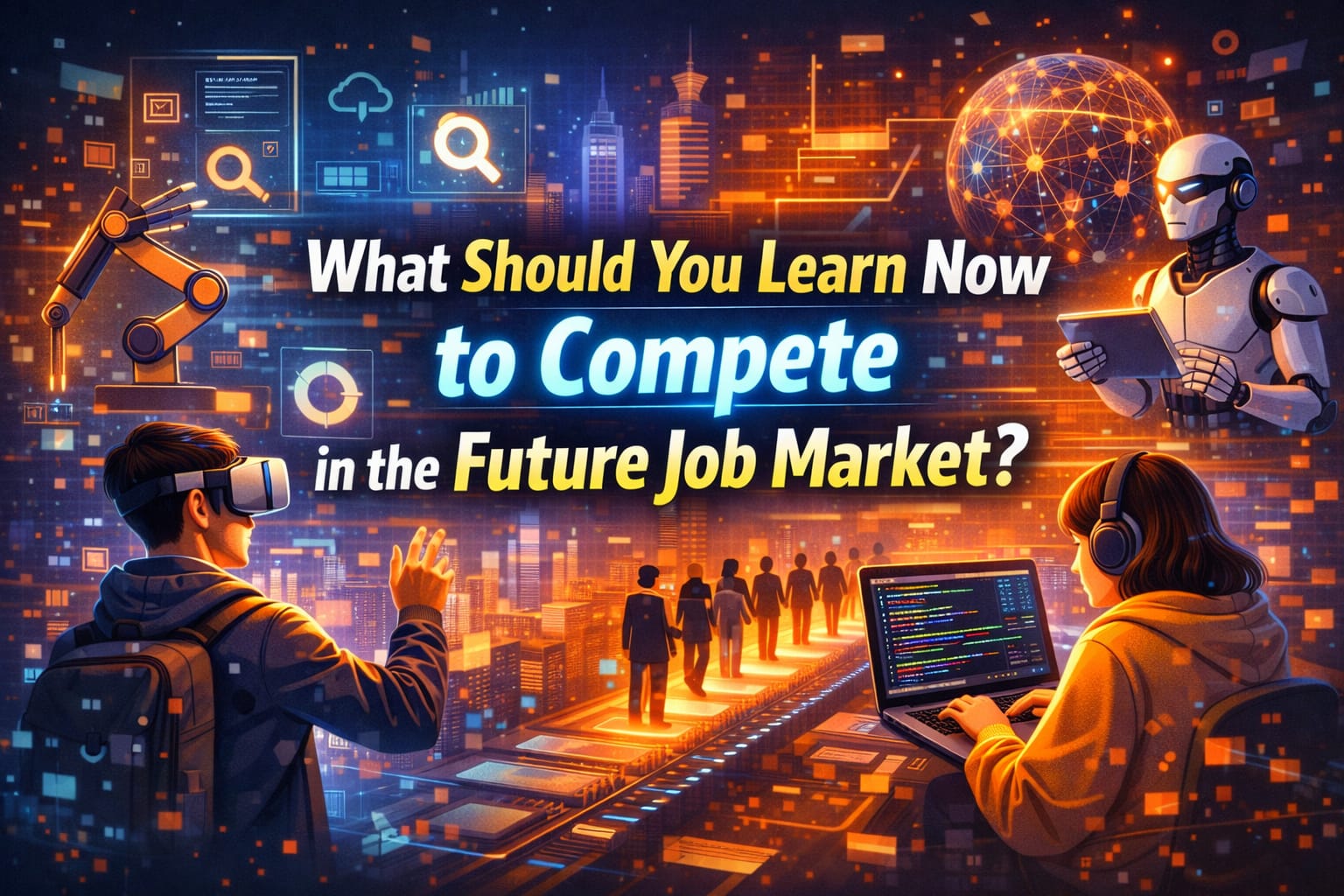
The world of work continues to evolve alongside rapid technological advancement and globalization. Competition no longer comes only from local environments but also from talent across regions and even countries. Therefore, it is essential for individuals to prepare themselves with relevant skills in order to remain competitive in the future job market.
UNDERSTANDING CHANGES IN THE WORLD OF WORK
The first step to staying competitive is understanding how the workplace is changing. Many jobs now require flexibility, digital competence, and readiness to adapt to dynamic work systems. By recognizing these trends early, individuals can determine which skills need to be developed from the start.
Awareness of change helps prevent reliance on skills that are gradually becoming outdated.
MASTERING BASIC DIGITAL SKILLS
Digital skills have become a fundamental requirement in almost every field. The ability to use technology, manage digital information, and understand digital-based work systems is essential.
These skills are not limited to technology-related roles but are also crucial in administration, business, education, and creative industries.
DEVELOPING ANALYTICAL AND PROBLEM-SOLVING SKILLS
The future workforce is expected to think critically and solve problems effectively. Analytical skills help individuals better understand workplace situations and identify appropriate solutions.
Employers increasingly value individuals who can make independent decisions rather than simply follow instructions.
STRENGTHENING COMMUNICATION SKILLS
Despite technological progress, communication remains a vital skill. The ability to express ideas clearly, collaborate in teams, and adapt to different communication styles adds significant value.
Strong communication skills support effective collaboration and enhance overall workplace productivity.
BUILDING AN ADAPTIVE AND CONTINUOUS LEARNING MINDSET
Rapid change requires openness to new ideas and skills. A willingness to continuously learn and adapt makes individuals better prepared for future workplace challenges.
Learning does not always have to come from formal education; it can also be gained through experience, training programs, and self-directed exploration.
IMPROVING SELF-MANAGEMENT SKILLS
Beyond technical abilities, self-management is also crucial. Skills such as time management, stress control, and maintaining consistent performance are highly valued in modern work environments.
Individuals who manage themselves well tend to be more productive, reliable, and professional.
CONCLUSION
To compete in the future job market, individuals need comprehensive preparation. Mastering digital skills, analytical thinking, communication, and adaptability forms a strong foundation for facing future workforce competition. With the right preparation, opportunities to grow and succeed in the evolving world of work will be even greater.
Tentang Penulis
Gusti Ayu Tita
Penulis — Universitas STEKOM
Penulis aktif yang berfokus pada isu-isu akademik, teknologi pendidikan, dan pengembangan sumber daya manusia di lingkungan kampus.