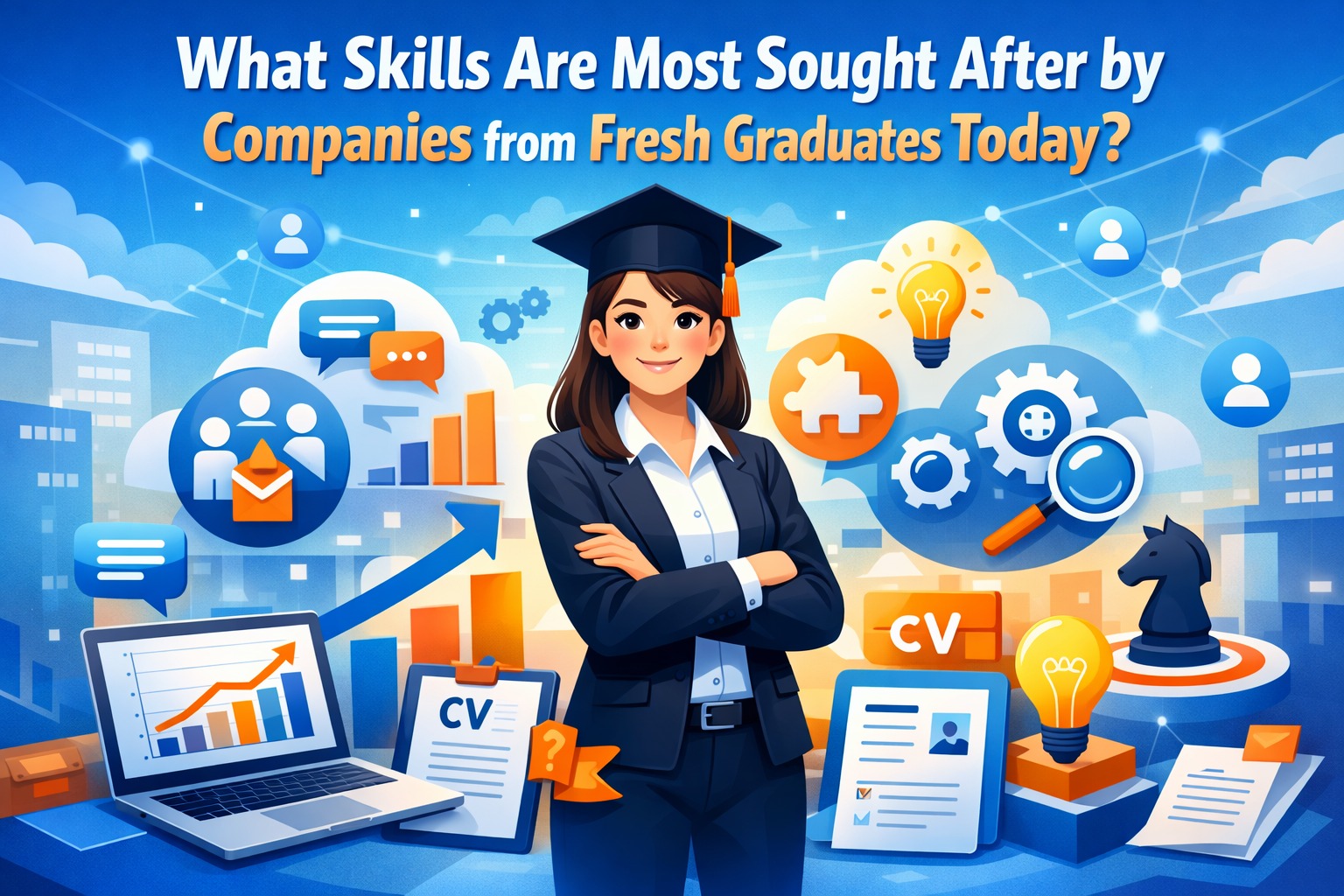
Entering the workforce as a fresh graduate can feel both exciting and challenging. Many companies today are looking for candidates who not only have academic knowledge but also possess practical skills that support productivity, collaboration, and adaptability in a dynamic work environment. As industries continue to evolve due to technological advancement and global competition, the expectations placed on fresh graduates are also changing.
Understanding which skills are most sought after by companies can help fresh graduates prepare themselves better before entering the job market. By developing the right competencies early, graduates can significantly increase their chances of standing out during recruitment processes.
THE IMPORTANCE OF SKILLS FOR FRESH GRADUATES
A university degree is often considered the foundation of a graduate’s qualifications. However, companies increasingly emphasize skills that demonstrate a candidate’s readiness to work in real-world situations. Employers seek individuals who can contribute effectively from the beginning, adapt to workplace challenges, and continue learning as the industry develops.
For fresh graduates, skills serve as proof that they can apply theoretical knowledge into practical tasks. Recruiters often evaluate these abilities through interviews, internships, project experiences, and even extracurricular activities during college.
COMMUNICATION SKILLS
Communication is one of the most essential skills companies look for in fresh graduates. Employees are expected to express ideas clearly, listen actively, and collaborate effectively with colleagues, supervisors, and clients.
Good communication skills include both verbal and written communication. Fresh graduates who can explain their thoughts confidently, present ideas during meetings, and write professional emails will often be more attractive to employers. Strong communication also supports teamwork and reduces misunderstandings in the workplace.
PROBLEM-SOLVING ABILITY
Companies value employees who can analyze situations and find effective solutions. Problem-solving skills demonstrate that a candidate is capable of thinking critically and handling unexpected challenges.
Fresh graduates with this skill are able to evaluate problems logically, gather relevant information, and propose practical solutions. Even during interviews, recruiters may test this ability through case studies or situational questions to understand how candidates approach complex issues.
ADAPTABILITY AND FLEXIBILITY
The modern workplace changes rapidly due to technological innovation, market competition, and shifting business strategies. Because of this, companies prefer employees who can adapt quickly to new environments, systems, and responsibilities.
Adaptable graduates are willing to learn new tools, accept feedback, and adjust to evolving job demands. This flexibility allows companies to rely on them when facing organizational changes or new projects.
TEAMWORK AND COLLABORATION
Most organizations rely on teamwork to achieve their goals. Fresh graduates who can work effectively in a team environment are highly valued by employers.
Teamwork involves respecting different opinions, contributing ideas, supporting colleagues, and maintaining a positive work attitude. Experiences from group projects, student organizations, or volunteer activities can help graduates demonstrate their collaboration skills during job interviews.
DIGITAL LITERACY
In today's technology-driven world, digital literacy has become a critical skill. Many companies use digital tools for communication, data analysis, project management, and marketing activities.
Fresh graduates who are comfortable using software applications, online platforms, and digital communication tools often have an advantage. Basic knowledge of data analysis, content creation, or productivity software can significantly improve employability.
TIME MANAGEMENT
Time management is another skill that employers appreciate. In a professional environment, employees are often responsible for multiple tasks with specific deadlines.
Graduates who can organize their schedules, prioritize tasks, and complete work efficiently demonstrate reliability and professionalism. Good time management helps employees maintain productivity while avoiding unnecessary stress.
CONTINUOUS LEARNING MINDSET
Companies value employees who are eager to grow and develop their abilities. A continuous learning mindset shows that a candidate is motivated to improve and stay relevant in a competitive job market.
Fresh graduates who actively seek new knowledge, attend training programs, or develop additional certifications demonstrate initiative and long-term career potential.
CONCLUSION
Today’s companies expect fresh graduates to bring more than academic qualifications to the workplace. Skills such as communication, problem-solving, adaptability, teamwork, digital literacy, time management, and a continuous learning mindset are increasingly important in the modern job market.
By focusing on developing these competencies during their academic journey, fresh graduates can better prepare themselves for professional challenges and increase their chances of securing meaningful career opportunities.
Tentang Penulis
Gusti Ayu Tita
Penulis — Universitas STEKOM
Penulis aktif yang berfokus pada isu-isu akademik, teknologi pendidikan, dan pengembangan sumber daya manusia di lingkungan kampus.