Small Steps Students Can Take to Compete in the Job Market
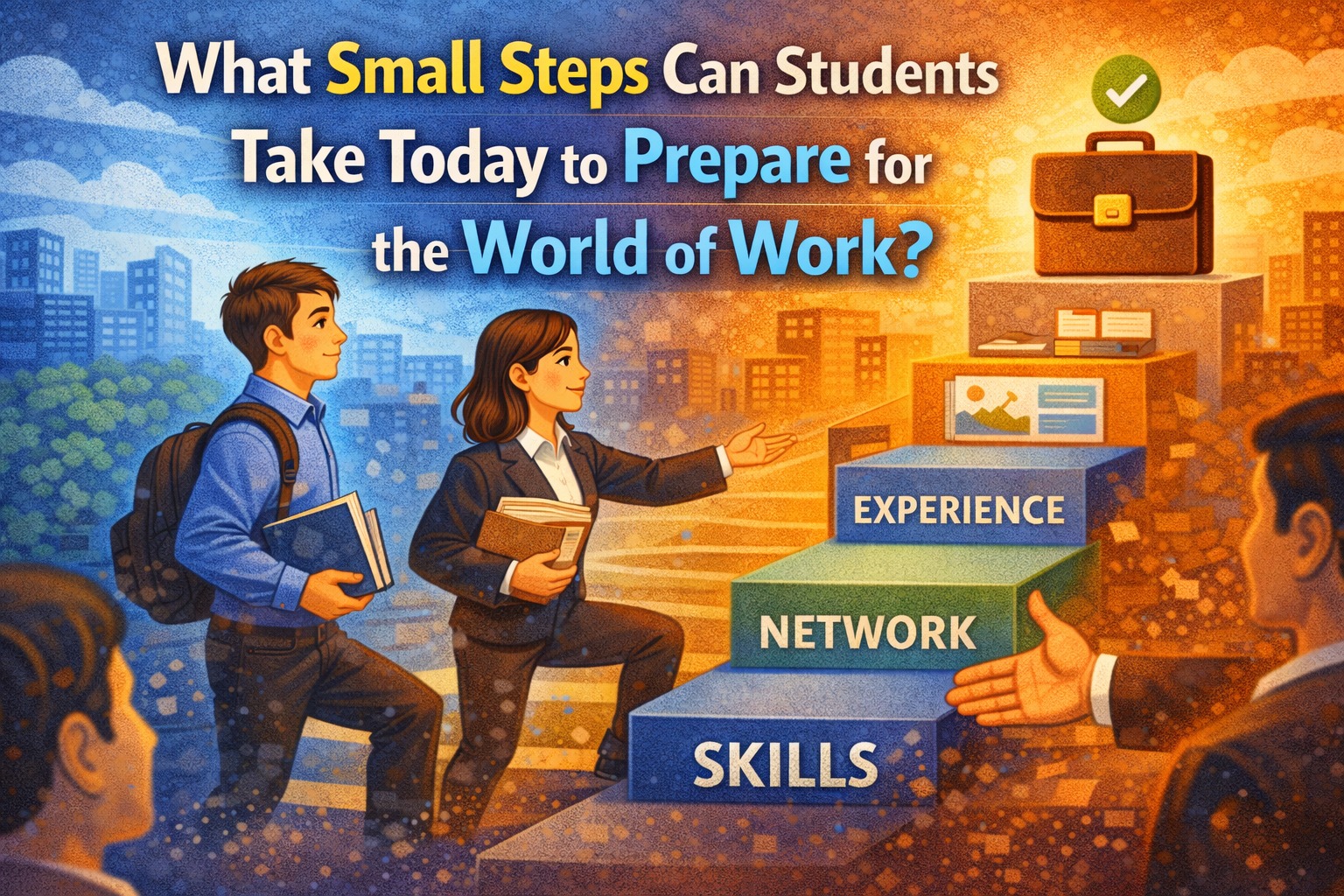
Today’s students live in an era of increasingly competitive and dynamic job markets. Employers no longer focus solely on who graduates faster or achieves a high GPA, but also on mental readiness, skills, and early experience. The good news is that this readiness does not always require big moves. Consistent small steps taken today can become a strong foundation for competing in the future job market.
Small Steps Students Can Take to Be Job-Ready
Getting to Know Yourself and Your Career Interests
The first step that is often overlooked is self-awareness. Understanding personal interests, strengths, and preferred career fields helps students define a clearer career direction.
Early self-awareness allows students to choose activities, organizations, and skills aligned with their future goals.
Developing Essential Workplace Skills
Skills such as communication, teamwork, time management, and critical thinking are fundamental in almost every workplace. Students can practice these skills through class discussions, presentations, group projects, and active participation.
Basic skills developed through daily academic activities strongly influence professional readiness.
Actively Joining Organizations or Communities
Participating in campus organizations or external communities helps students build leadership, responsibility, and adaptability. Through these experiences, students learn to manage conflict, work with diverse personalities, and make decisions.
Organizational experience provides practical preparation for real workplace challenges.
Using the Internet to Learn New Skills
Many free and paid platforms now offer training in skills such as design, digital marketing, writing, coding, and data analysis. Students can dedicate small but consistent amounts of time to learning skills related to their interests.
Consistency in learning is more important than speed.
Starting to Build a Simple Portfolio
Students do not need to wait until graduation to create a portfolio. Academic assignments, small projects, writing samples, designs, or freelance work can be collected from the beginning.
A portfolio serves as concrete proof of skills when applying for jobs or internships.
Building Discipline and Responsibility
The workplace highly values professionalism. Being punctual, meeting deadlines, and staying committed to responsibilities are small habits that can be developed during college.
Professional attitude is often valued as much as technical ability.
Expanding Networks and Professional Connections
Students can begin building networks with lecturers, alumni, peers from other majors, and professionals through platforms such as LinkedIn. Early networking can open access to internship opportunities, jobs, and collaborations.
Strong professional networks create long-term career opportunities.
Conclusion
Being a job-ready student does not require waiting until graduation or having extensive experience. **Consistent small steps taken today are the key to long-term career readiness.** From self-awareness and skill development to organizational involvement and professional habits, all of these actions can start now. The earlier students begin, the greater their chances of succeeding in the future job market.
Tentang Penulis
Gusti Ayu Tita
Penulis — Universitas STEKOM
Penulis aktif yang berfokus pada isu-isu akademik, teknologi pendidikan, dan pengembangan sumber daya manusia di lingkungan kampus.