The Transition Into University Life and Learning Challenges for Freshmen
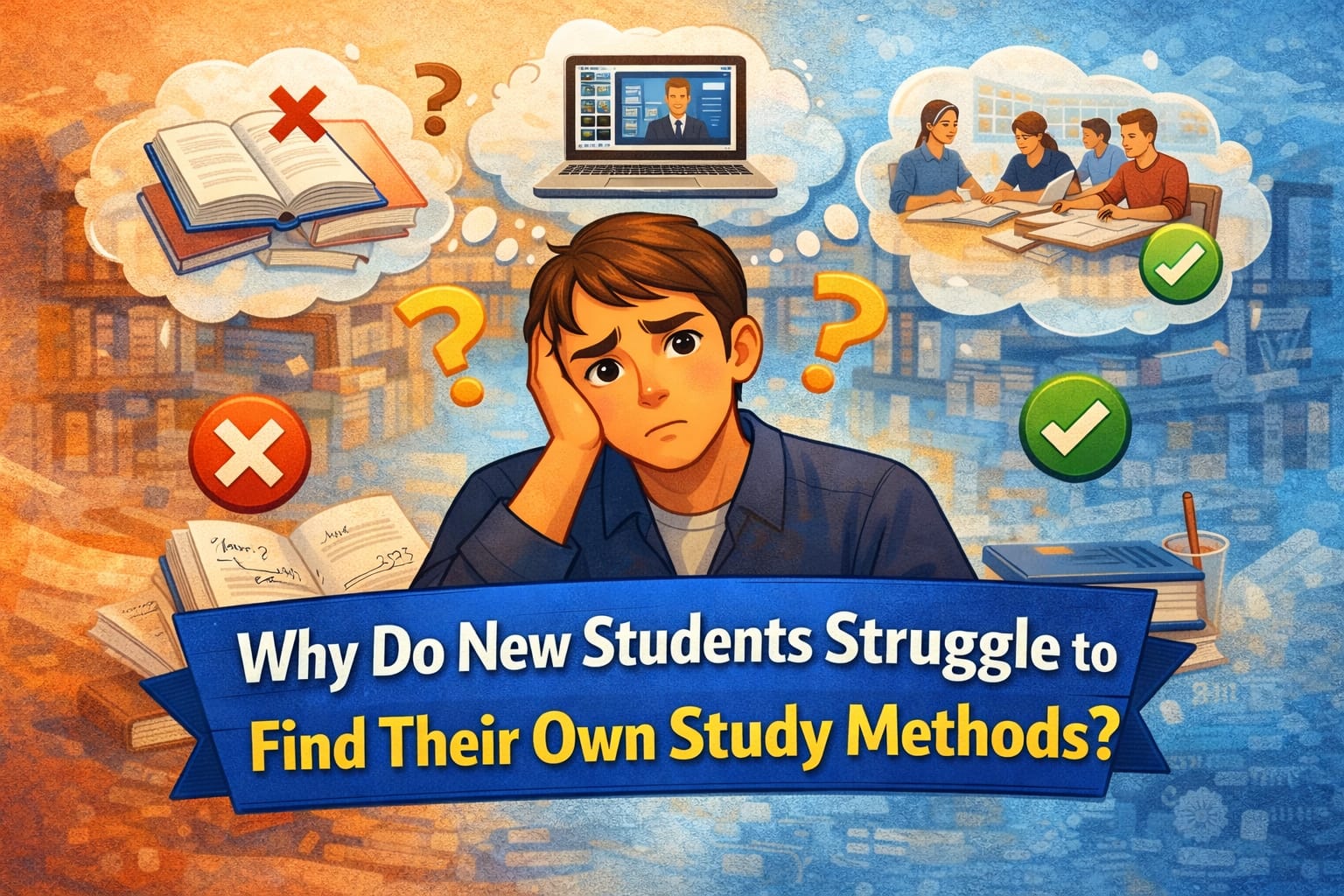
Entering university life marks a major transitional phase for freshmen. Moving from a structured school learning system, students are now required to be more independent and responsible for their own learning process. Many freshmen feel confused, overwhelmed, and even lost when trying to determine an effective way to study. So, what are the main reasons behind these difficulties?
DIFFERENCES BETWEEN SCHOOL AND UNIVERSITY LEARNING SYSTEMS
One of the main factors is the difference in learning systems. In school, students are accustomed to strict schedules, clear instructions from teachers, and regular supervision. In contrast, university lecturers act more as facilitators. Students are expected to seek additional references, manage their own time, and understand the material independently. This shift often leaves freshmen unprepared to adapt.
University learning demands higher independence and self-discipline.
LACK OF AWARENESS OF PERSONAL LEARNING STYLES
Every individual has a different learning style, such as visual, auditory, or kinesthetic. However, many freshmen have not yet identified the learning style that suits them best. As a result, they tend to imitate their peers’ study methods without considering effectiveness. This makes the learning process feel more difficult and less productive.
Understanding personal learning styles helps improve learning effectiveness.
TIME MANAGEMENT CHALLENGES
Greater freedom in campus life can be a double-edged sword. Without good time management, freshmen are easily distracted by non-academic activities. A lack of experience in balancing lectures, assignments, and other activities makes it difficult to build a consistent study routine.
Effective time management is essential for academic success.
ACADEMIC PRESSURE AND SOCIAL ADAPTATION
In addition to academic demands, freshmen also face social pressure, such as adapting to a new environment and building friendships. These conditions can affect learning focus. When mental energy is divided, students often struggle to set priorities, including choosing effective study methods.
Social and academic adjustments influence learning focus and performance.
FIRST STEPS TO FINDING THE RIGHT STUDY METHOD
To overcome these challenges, freshmen need to start recognizing their own learning needs and habits. Trying various study methods, creating a realistic schedule, and actively asking lecturers or seniors for guidance can support the adaptation process. With time and consistency, students will discover the study pattern that works best for them.
Experimentation and consistency help students find effective study strategies.
CONCLUSION
The difficulty freshmen face in determining their own study methods is a natural part of the adaptation process. Differences in educational systems, lack of awareness of learning styles, and time management challenges are the main contributing factors. With the right approach and a willingness to learn independently, students can develop effective and sustainable learning strategies.
Tentang Penulis
Gusti Ayu Tita
Penulis — Universitas STEKOM
Penulis aktif yang berfokus pada isu-isu akademik, teknologi pendidikan, dan pengembangan sumber daya manusia di lingkungan kampus.