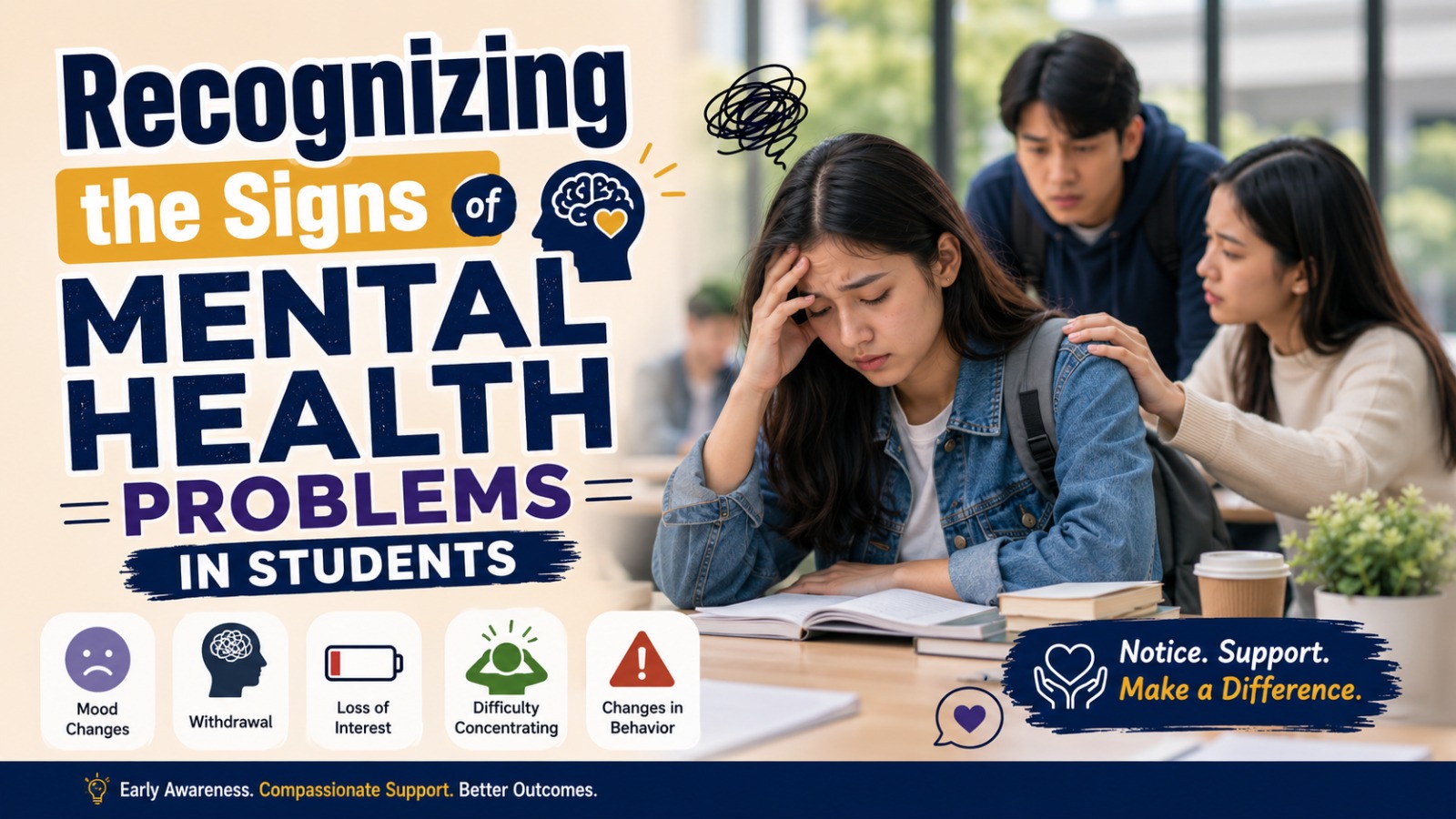
Entering university is a major transition in a student’s life. A new environment, changes in the learning system, and demands for independence often create one common feeling: confusion. This condition is normal, but it needs to be understood so it does not persist and disrupt academic and social adaptation.
This article discusses the main causes of confusion at the beginning of university and how to deal with it effectively.
DIFFERENCES IN LEARNING SYSTEMS FROM SCHOOL TO UNIVERSITY
One of the main causes of confusion among new students is the change in the learning system. In school, students are accustomed to detailed guidance from teachers, while in university, lecturers act more as facilitators.
Students are required to:
- Search for additional learning materials independently
- Manage their own study schedules
- Understand instructions that are often not explained in detail
This learning model is known as student-centered learning, where responsibility lies primarily with students. For those unaccustomed to it, this situation can trigger uncertainty and a loss of direction.
TOO MANY CHOICES REDUCE FOCUS
At the beginning of university, students face many choices: organizations, communities, competitions, committees, and self-development programs. While this freedom is positive, it can also be overwhelming.
Without clear priorities, students may feel:
- Afraid of making the wrong choice
- Worried about falling behind peers
- Confused about balancing academic and non-academic activities
This phenomenon is known as decision overload, a condition where too many options make decision-making difficult.
LACK OF UNDERSTANDING ABOUT THE MAJOR
Many students enter a major without a complete understanding of what they will study. When classes begin and subjects differ from expectations, academic confusion arises.
Common questions include:
- “Why is this subject so hard to understand?”
- “Did I choose the wrong major?”
- “What are the career prospects of this major?”
A lack of early exploration makes students feel unprepared for the realities of university life.
A COMPLETELY NEW SOCIAL ENVIRONMENT
Transitioning to university also means entering a new social environment. Students meet peers from diverse regions, backgrounds, and personalities.
For some, this leads to social confusion such as:
- Difficulty making friends
- Feeling insecure or lacking confidence
- Fear of not being considered smart enough
Social adaptation takes time, and awkwardness in the early stages is very common.
SIMULTANEOUS DEMANDS FOR INDEPENDENCE
In university, students often have to handle many responsibilities on their own for the first time, such as:
- Managing monthly finances
- Arranging class schedules
- Handling campus administration
- Managing study time without parental supervision
This sudden increase in responsibility can trigger academic culture shock, caused by drastic lifestyle changes.
EXCESSIVELY HIGH EXPECTATIONS
Many new students arrive with expectations that university life will be instantly enjoyable, socially rich, and easy. When reality does not match these expectations, confusion mixed with disappointment emerges.
In reality, the early stages of university are more about adjustment than comfort.
HOW TO OVERCOME CONFUSION AT THE BEGINNING OF UNIVERSITY
To prevent confusion from turning into prolonged stress, several steps can be taken:
1. Focus on Adaptation, Not Perfection
There is no need to excel immediately in the first semester. Prioritize understanding the rhythm of university life.
2. Actively Ask Questions
Asking lecturers, seniors, or classmates helps clarify many confusing aspects.
3. Create Simple Plans
Start with weekly study schedules and priority lists to avoid feeling overwhelmed.
4. Understand Your Major More Deeply
Explore the curriculum, specializations, and career prospects for clearer direction.
5. Give Yourself Time to Adapt
Adaptation is not instant. Feeling confused early on is not a failure but part of growth.
CONCLUSION
Confusion at the beginning of independent university life is normal and experienced by many new students. Changes in the learning system, social environment, and increased responsibility are the main causes.
With proper understanding and healthy adaptation strategies, this confusion can become a starting point for independence, maturity, and readiness to face academic and professional challenges.
Tentang Penulis
Gusti Ayu Tita P
Penulis — Universitas STEKOM
Penulis aktif yang berfokus pada isu-isu akademik, teknologi pendidikan, dan pengembangan sumber daya manusia di lingkungan kampus.