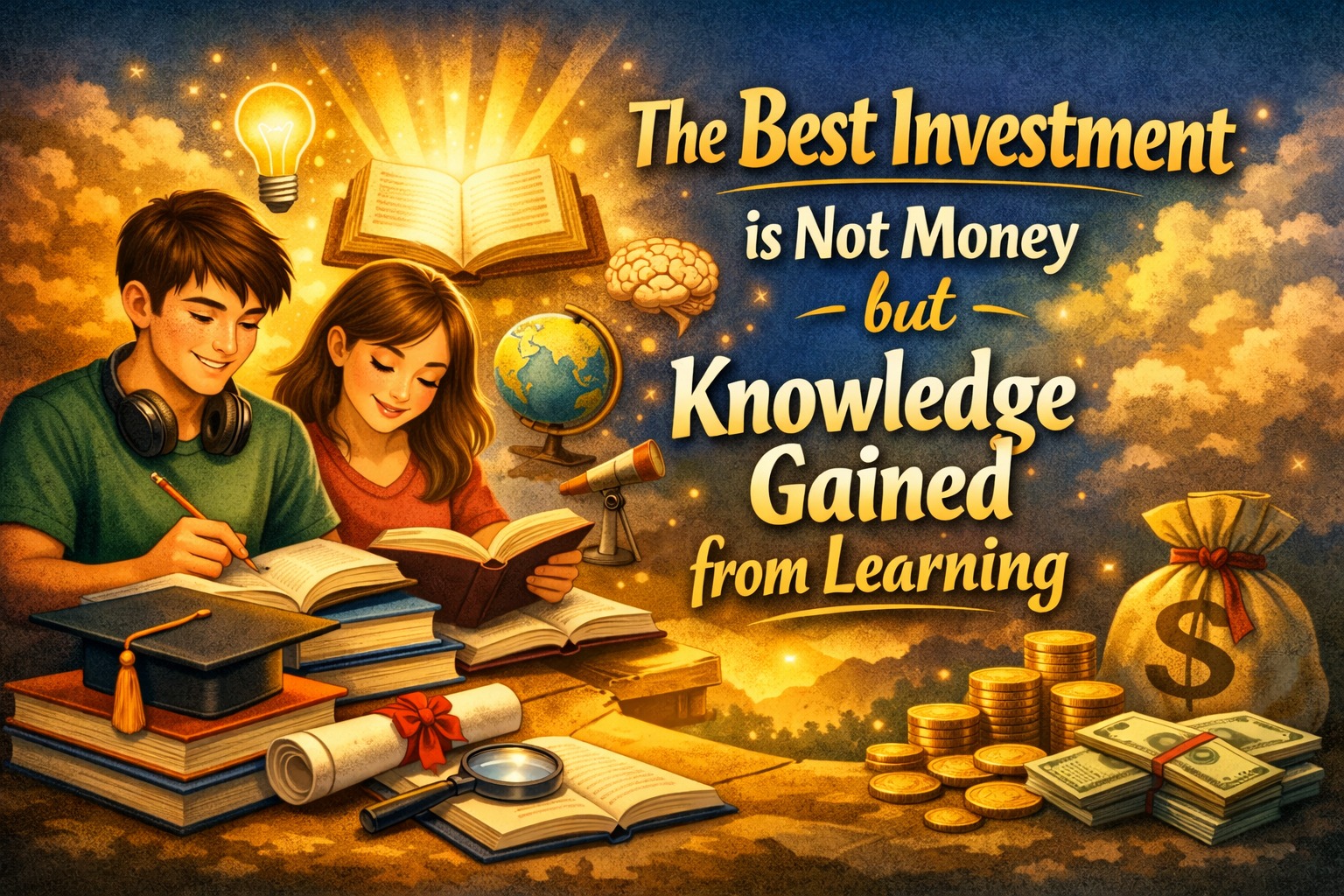
In today’s fast-paced world, many people focus heavily on working to earn a living. While having a job is essential, relying solely on work without continuous learning can limit personal and professional growth. Learning goes beyond routine tasks and helps individuals adapt, improve, and stay relevant in an ever-changing environment.
Work may provide income, but learning builds the foundation for long-term success. Those who prioritize learning are better equipped to face challenges, seize opportunities, and create meaningful progress in their lives.
THE DIFFERENCE BETWEEN WORKING AND LEARNING
Working often involves performing repetitive tasks to meet specific goals. While this is important, it does not always encourage growth. On the other hand, learning pushes individuals to explore new ideas, develop skills, and think critically.
When people focus only on working, they may become comfortable in their current position. However, those who combine work with learning continue to evolve. They are more likely to innovate and adapt to changes in their field.
WHY LEARNING DRIVES LONG-TERM SUCCESS
Learning is a powerful tool for building a sustainable future. Industries are constantly evolving due to technological advancements and global competition. Without continuous learning, skills can quickly become outdated.
By learning consistently, individuals can upgrade their abilities and remain competitive. This not only increases career opportunities but also enhances confidence and problem-solving skills. Over time, learning creates a strong personal brand that sets someone apart from others.
THE RISK OF FOCUSING ONLY ON WORK
Focusing solely on work can lead to stagnation. When individuals stop learning, they may struggle to keep up with new trends or demands. This can result in limited career growth and fewer opportunities.
Moreover, relying only on work can make people vulnerable to sudden changes, such as job loss or industry shifts. Without updated skills, it becomes harder to adapt and move forward.
HOW TO BALANCE WORK AND LEARNING
Balancing work and learning does not require drastic changes. Small, consistent efforts can make a big difference. Setting aside time each day to read, take online courses, or practice new skills can gradually build knowledge.
It is also important to stay curious and open to new experiences. Learning from colleagues, mentors, and real-life situations can be just as valuable as formal education. By integrating learning into daily routines, growth becomes a natural part of life.
CONCLUSION
Working is important, but learning is what truly drives progress. By making learning a priority, individuals can unlock their full potential and create a more secure and successful future. Instead of choosing between working and learning, the key is to combine both for continuous improvement and long-term achievement.
Tentang Penulis
Gusti Ayu Tita
Penulis — Universitas STEKOM
Penulis aktif yang berfokus pada isu-isu akademik, teknologi pendidikan, dan pengembangan sumber daya manusia di lingkungan kampus.