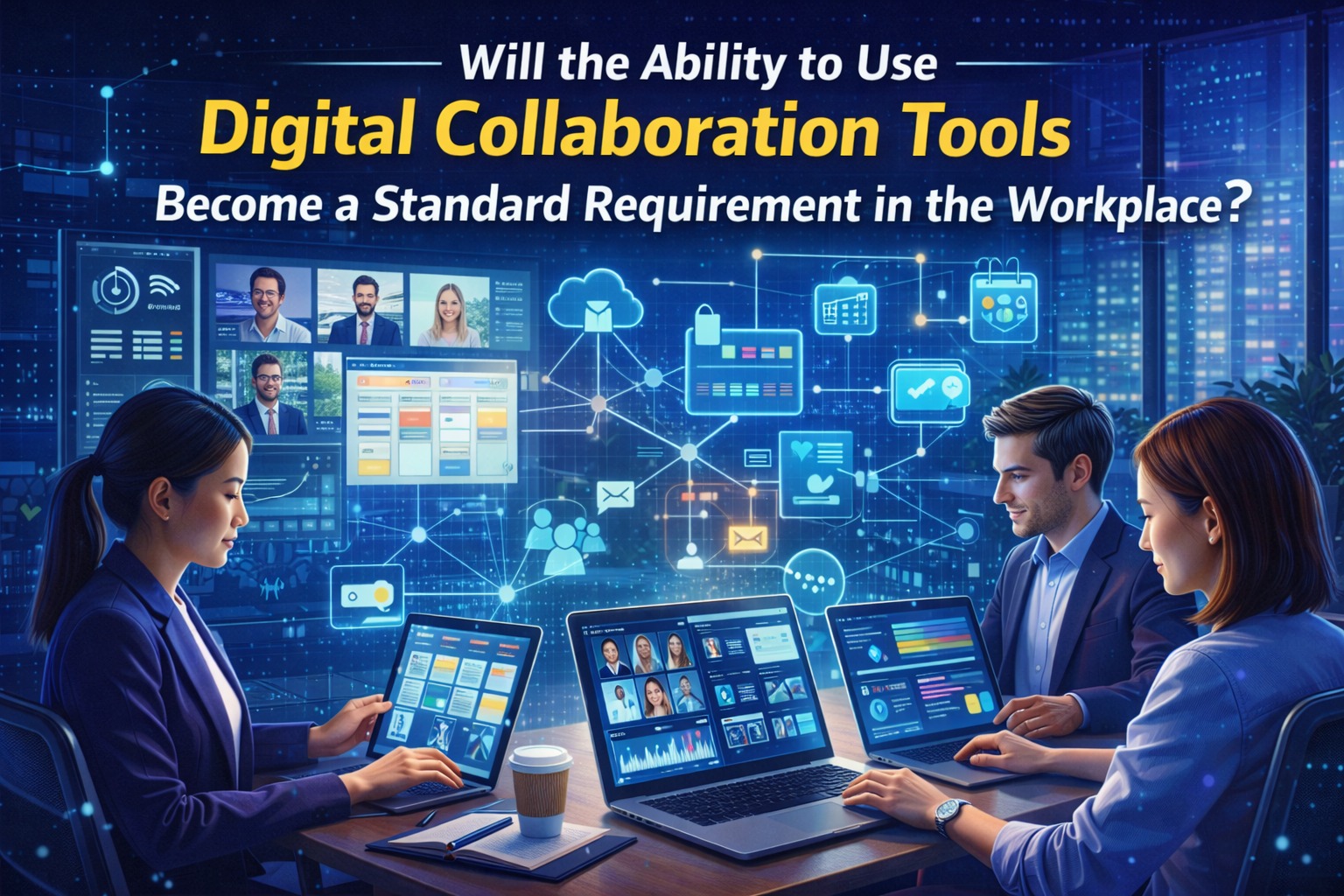
The modern workplace has undergone a significant transformation over the past decade. With the rise of remote work, hybrid teams, and global partnerships, digital collaboration tools have become essential in daily operations. This shift raises an important question: Will the ability to use digital collaboration tools become a standard requirement in the workplace?
As organizations continue embracing digital transformation, the answer increasingly points to yes. The ability to effectively use digital collaboration platforms is quickly becoming a fundamental professional skill across industries.
The Growth of Remote and Hybrid Work
One of the main drivers behind the demand for digital collaboration skills is the growth of remote and hybrid work models. Companies are no longer limited by geographic boundaries when hiring talent. Teams often work across different cities, countries, and time zones.
To maintain productivity and communication, businesses rely on tools such as video conferencing platforms, project management software, shared document systems, and instant messaging applications. Employees who can confidently navigate these tools are better equipped to contribute effectively in distributed work environments.
Enhancing Team Productivity and Efficiency
Digital collaboration tools streamline workflows and improve efficiency.
Instead of relying on long email chains or in-person meetings, teams can:
- Share files in real time
- Track project progress
- Assign and monitor tasks
- Conduct virtual meetings
- Collaborate simultaneously on documents
These capabilities reduce delays and enhance transparency within teams. As a result, employers increasingly expect workers to be comfortable using such platforms.
Improving Communication in Global Teams
In a globalized economy, businesses frequently collaborate with international partners. Digital collaboration tools enable seamless communication regardless of distance.
Clear and effective communication through digital platforms requires more than technical knowledge. It involves understanding online etiquette, managing virtual meetings, and communicating clearly in written formats. These digital communication skills are becoming essential in professional environments.
Digital Collaboration as a Core Workplace Skill
In the past, digital collaboration tools were considered supplementary. Today, they are integrated into daily workflows. From small startups to multinational corporations, organizations depend on cloud-based platforms and collaborative technologies.
Employers now view proficiency in digital collaboration as part of basic digital literacy. Just as computer skills became a standard requirement in the early 2000s, digital collaboration skills are following the same path.
Benefits for Career Advancement
Professionals who master digital collaboration tools gain a competitive advantage.
They can:
- Adapt quickly to new work environments
- Lead remote teams effectively
- Manage digital projects efficiently
- Improve cross-functional communication
These capabilities enhance employability and open opportunities for leadership roles in digital-first organizations.
Challenges and Skill Gaps
Despite the widespread adoption of digital tools, not all employees are equally proficient. Some struggle with navigating platforms, managing digital workflows, or maintaining productivity in virtual settings.
To address this gap, companies are investing in training programs and encouraging continuous learning. Employees who proactively develop digital collaboration skills position themselves for long-term career success.
The Future of Digital Collaboration
Looking ahead, advancements in Artificial Intelligence, virtual reality, and integrated cloud systems will further transform collaboration methods. Workspaces may become more immersive and data-driven.
As these technologies evolve, the ability to use digital collaboration tools will likely become not just a preference but a mandatory requirement in many roles.
Conclusion
The ability to use digital collaboration tools is rapidly becoming a standard requirement in the workplace. Driven by remote work trends, globalization, and digital transformation, organizations depend on collaborative technologies to maintain productivity and competitiveness.
Professionals who develop strong digital collaboration skills will be better prepared to thrive in modern work environments. As the workplace continues to evolve, mastering these tools is no longer optional—it is essential for long-term career growth.
Tentang Penulis
Gusti Ayu Tita
Penulis — Universitas STEKOM
Penulis aktif yang berfokus pada isu-isu akademik, teknologi pendidikan, dan pengembangan sumber daya manusia di lingkungan kampus.