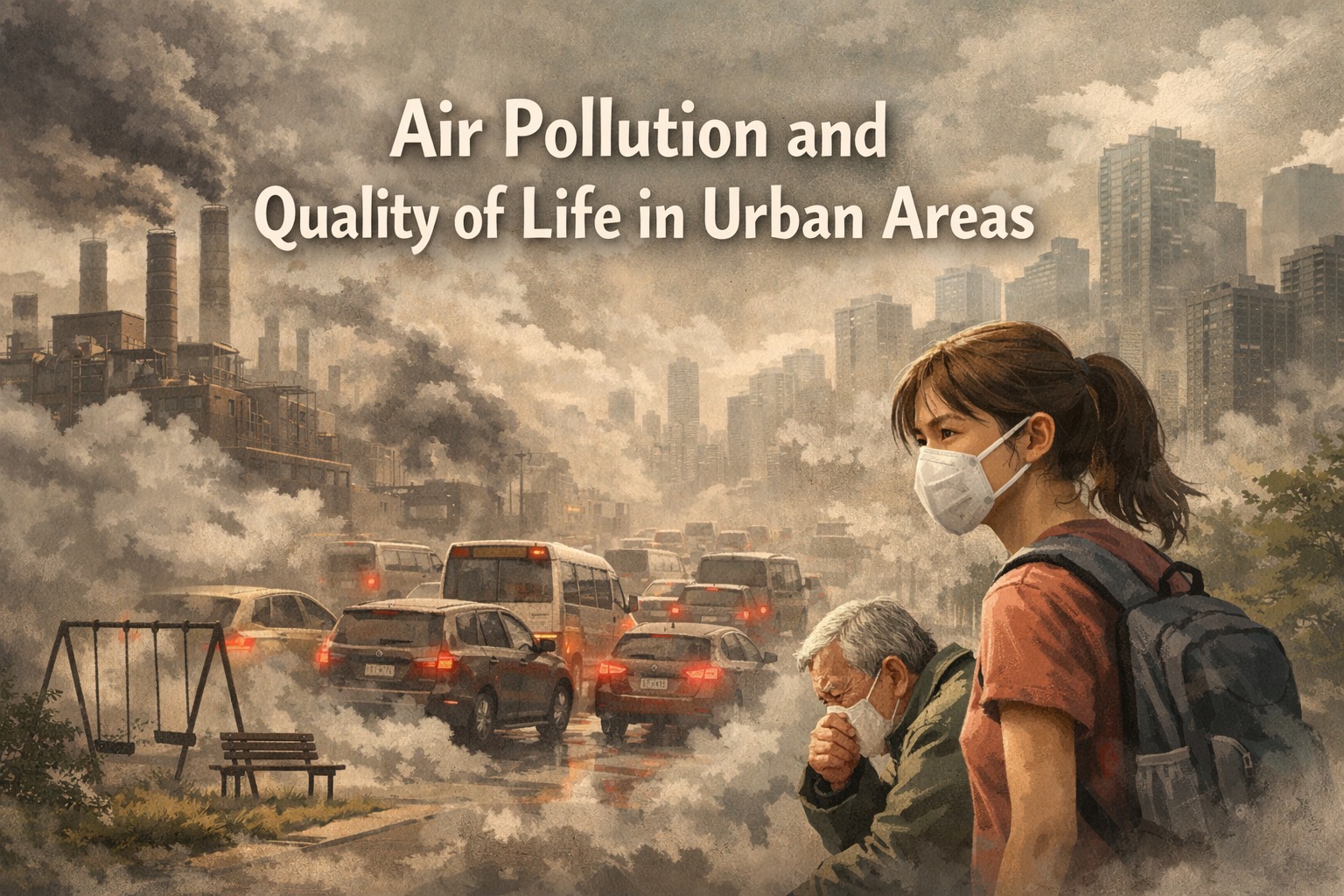
Air pollution has become one of the biggest environmental challenges in modern cities. Rapid industrial growth, increasing numbers of vehicles, and high energy consumption contribute to poor air quality in urban areas. As cities continue to expand, the effects of polluted air are becoming more visible in daily life. From health problems to environmental damage, air pollution directly affects the quality of life of millions of people around the world.
THE MAIN CAUSES OF AIR POLLUTION IN CITIES
Urban areas are centers of economic activity, transportation, and industrial production. These activities release harmful pollutants into the atmosphere. Vehicle emissions are among the largest contributors to air pollution. Cars, buses, and motorcycles produce carbon monoxide, nitrogen oxides, and fine particulate matter that can harm human health.
Factories and power plants also play a significant role in increasing air pollution. Many industries burn fossil fuels such as coal and oil, releasing toxic gases into the air. In addition, construction activities and waste burning further worsen air quality in densely populated cities.
HEALTH IMPACTS OF AIR POLLUTION
Poor air quality can seriously affect human health. People living in polluted urban areas are more likely to suffer from respiratory diseases such as asthma, bronchitis, and lung infections. Long-term exposure to polluted air may also increase the risk of heart disease and certain types of cancer.
Children and older adults are especially vulnerable to the effects of air pollution. Children who grow up in polluted environments may experience reduced lung development and weakened immune systems. Meanwhile, elderly individuals often face higher risks of breathing difficulties and cardiovascular problems.
Mental health can also be affected by air pollution. Studies have shown that continuous exposure to dirty air may increase stress levels and reduce overall well-being. As a result, the quality of life in urban communities can decline significantly.
ENVIRONMENTAL EFFECTS ON URBAN LIFE
Air pollution not only harms human health but also damages the environment. Polluted air can lead to acid rain, which affects buildings, water sources, and green spaces. Urban trees and plants may struggle to survive in heavily polluted conditions, reducing the availability of clean and healthy public spaces.
Climate change is another major consequence of air pollution. Greenhouse gas emissions from urban activities contribute to global warming, causing extreme weather patterns and rising temperatures. These environmental changes can make city life less comfortable and more dangerous over time.
HOW CITIES CAN REDUCE AIR POLLUTION
Many cities are now taking steps to improve air quality and protect public health. Expanding public transportation systems can help reduce the number of private vehicles on the road. Encouraging the use of bicycles and electric vehicles can also lower harmful emissions.
Governments and communities can support cleaner energy sources such as solar and wind power. Planting more trees and creating green areas in cities can improve air quality naturally. In addition, stricter environmental regulations for industries can help control pollution levels.
Public awareness is equally important. People need to understand how daily habits, such as reducing waste burning and saving energy, can contribute to cleaner air and a healthier urban environment.
CONCLUSION
Air pollution is a serious issue that affects both human health and environmental sustainability in urban areas. Poor air quality can reduce comfort, increase health risks, and damage the natural environment. However, with proper policies, cleaner technology, and public cooperation, cities can improve air quality and create healthier living conditions for future generations. Reducing air pollution is not only about protecting the environment but also about improving the overall quality of life in modern urban communities.
About the Author
Gusti Ayu Tita
Author — STEKOM University
An active author focused on academic issues, educational technology, and human resource development in the campus environment.