
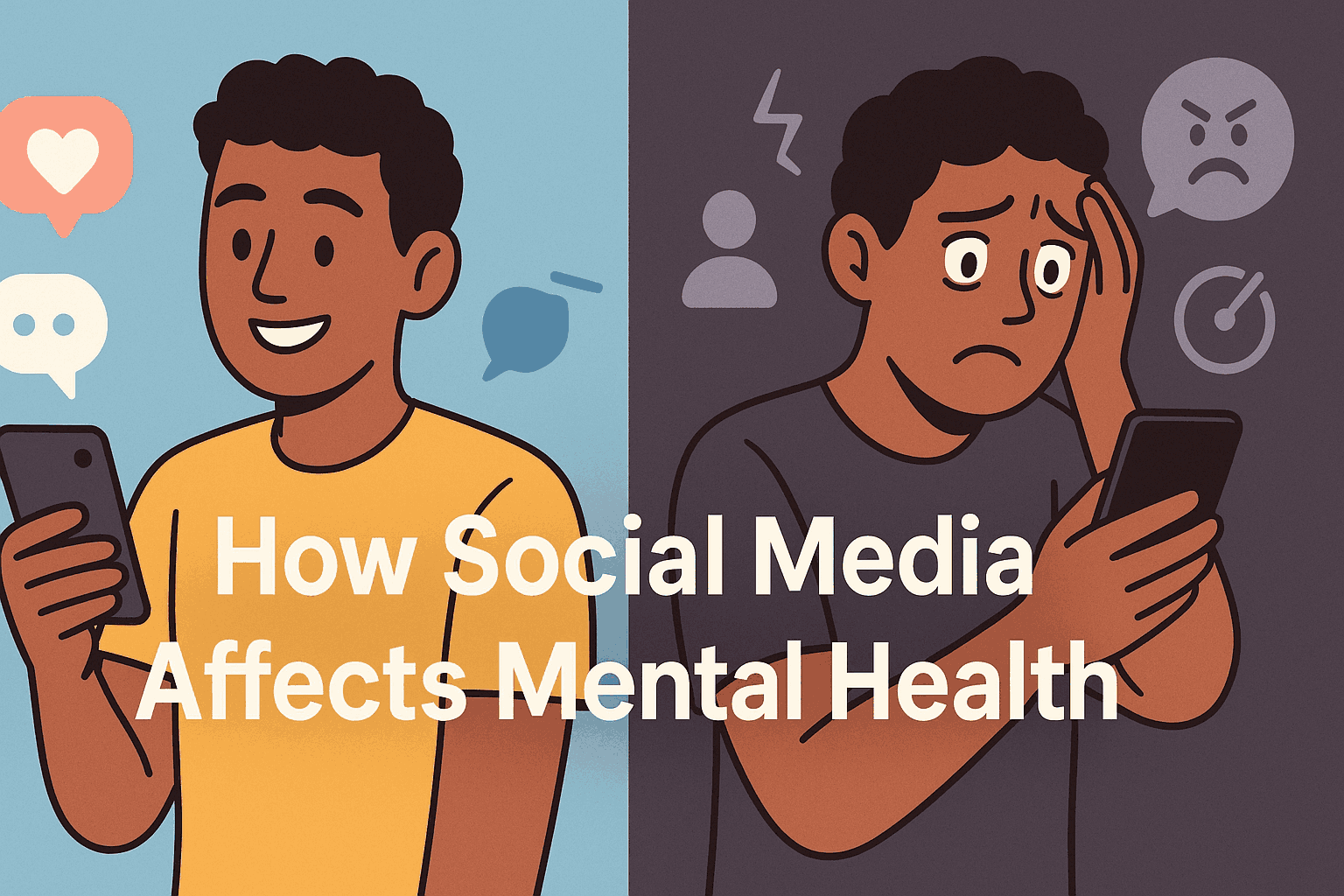
In today’s digital era, social media has become an inseparable part of our daily lives. Almost everyone owns an account on platforms like Instagram, Facebook, Twitter, or TikTok. Social media brings various benefits such as ease of communication, entertainment, and information sharing. However, behind these advantages, social media also poses significant risks to mental health. This article explores the ways social media can influence mental well-being—both positively and negatively.
1. SOCIAL MEDIA’S IMPACT ON ANXIETY AND DEPRESSION
One of the major mental health effects of social media is the increased risk of anxiety and depression. Excessive use, especially when users become obsessed with the idealized lives seen online, can lead to dissatisfaction with their own lives. Constant exposure to curated content of others appearing happy and successful often triggers low self-esteem and self-worth, which can escalate into anxiety and depressive disorders.
2. CYBERBULLYING AND ITS MENTAL HEALTH EFFECT
Social media platforms have become breeding grounds for negative behavior, including cyberbullying. Online harassment—especially verbal attacks and ridicule—can severely affect a person’s mental health. Teenagers are particularly vulnerable to social pressure, and victims of cyberbullying often experience feelings of shame, isolation, and low self-confidence, which may lead to anxiety, depression, or even suicidal thoughts.
3. FOMO (FEAR OF MISSING OUT)
FOMO refers to the fear of missing important experiences or updates that others are enjoying. Social media can amplify this feeling, especially when people see others attending events, traveling, or achieving milestones. FOMO can increase stress and anxiety and lead individuals to feel discontented with their own lives—negatively affecting mental well-being.
4. SOCIAL MEDIA ADDICTION
Addiction to social media is becoming increasingly common. Many users find it hard to disconnect, even when it disrupts their daily routines. This dependency can result in anxiety when users are offline, interfere with productivity and sleep, and worsen mental health over time—intensifying stress and depressive symptoms.
5. SOCIAL SUPPORT AND CONNECTION
On a more positive note, social media can also enhance mental health by fostering social support and connection. Many users maintain close relationships with family and friends or find supportive communities with shared interests. This emotional support helps people feel accepted and less alone when facing difficulties, contributing to better mental well-being.
6. MENTAL HEALTH AWARENESS AND INFORMATION
Social media plays a key role in raising mental health awareness. Many platforms are used to share helpful content about managing stress, maintaining emotional wellness, or finding professional help. Mental health communities on social media provide access to valuable resources, helping those in need connect with support networks and trusted information.
7. SLEEP DISRUPTION CAUSED BY SOCIAL MEDIA
Frequent use of social media late at night can negatively affect sleep cycles. Many people continue scrolling through content late into the evening, which negatively impacts both the quality and duration of their sleep. Sleep deprivation can impair mental health by reducing the brain’s ability to process emotions and stress, leading to increased anxiety, irritability, and mood swings.
8. UNHEALTHY SELF-COMPARISON
One of the most damaging effects of social media is the tendency to constantly compare oneself to others. Users often share only the best aspects of their lives—achievements, vacations, or joyful moments—which creates unrealistic expectations. This unhealthy comparison can lower self-esteem and happiness, severely affecting one’s mental health.
CONCLUSION
Social media holds powerful influence over mental health, both positively and negatively. While it offers connection, emotional support, and access to important mental health resources, it can also contribute to anxiety, depression, cyberbullying, FOMO, and unhealthy self-comparisons. Therefore, it's essential to use social media mindfully—focusing on balance, avoiding toxic behaviors, and prioritizing emotional well-being in both digital and real life.
About the Author
Gusti Ayu Tita
Author — STEKOM University
An active author focused on academic issues, educational technology, and human resource development in the campus environment.



