How the Instagram Algorithm Works and Why It Feels So Personal
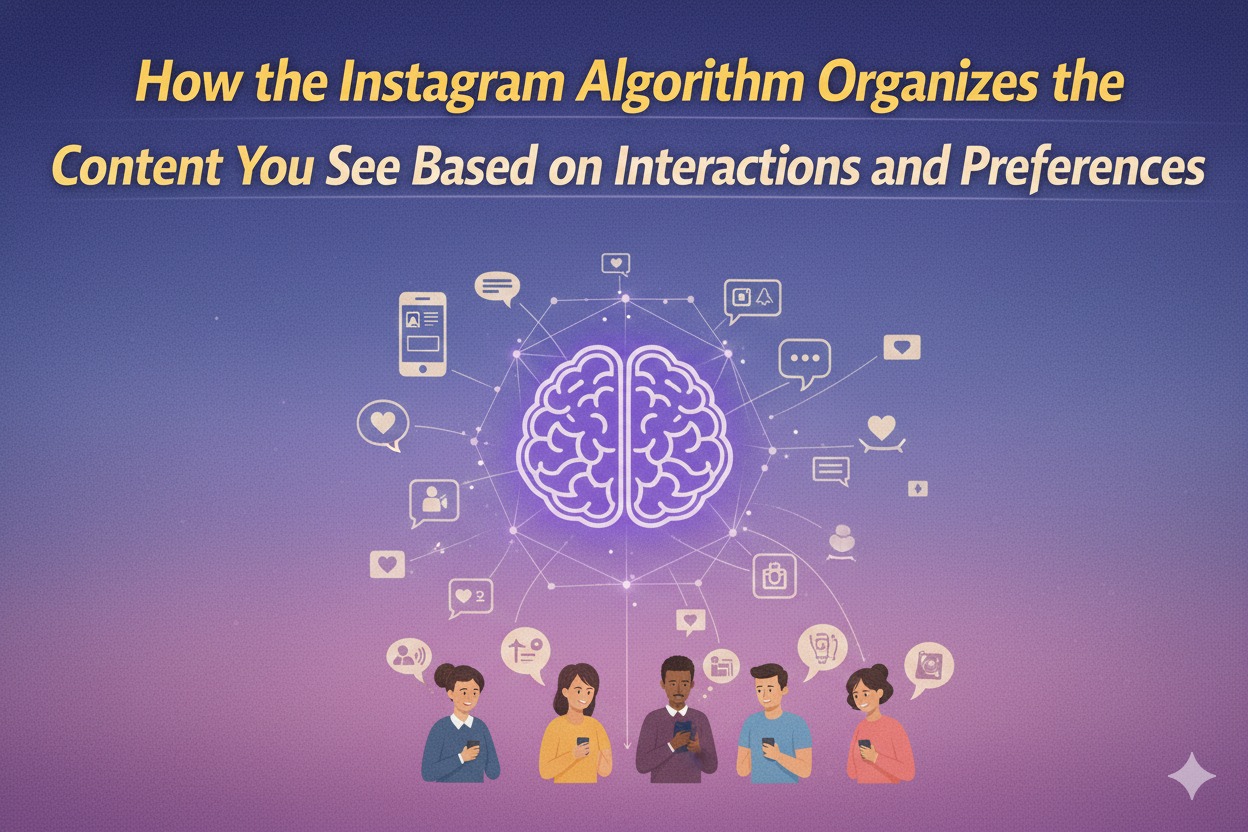
The Instagram algorithm is a complex system operating behind the scenes to determine what content appears on users’ Feeds, Reels, Explore pages, and Stories. Although it may seem simple on the surface, Instagram actually relies on hundreds of signals derived from user activity to predict which content will be most relevant and engaging. Understanding how this algorithm works is especially important for active users, content creators, and businesses aiming to increase their visibility on the platform.
1. What Is the Instagram Algorithm?
In simple terms, the Instagram algorithm is a set of machine-learning–based mechanisms designed to display content that best matches each user’s interests and behavior. Instagram no longer shows posts in chronological order; instead, it selects and ranks content based on predictions of what users are most likely to engage with.
While the algorithm continues to evolve, its main goal remains the same: to deliver a personalized experience and keep users engaged on the platform for as long as possible.
2. Key Signals Used by the Instagram Algorithm
Instagram relies on multiple signals to decide which content appears on your screen. The most influential signals include:
a. User Interaction
Instagram closely tracks how you interact with content, such as:
* Likes, comments, and shares
* Saves (one of the strongest signals)
* Watch time on videos or Reels
* Replies to messages
* Frequency of profile visits
The more you engage with certain accounts or content types, the more similar content you will see.
b. Activity and Content Preferences
The algorithm learns from:
* Content you watch until the end
* Topics you frequently explore
* Reels you replay
* Keywords, hashtags, or categories you follow
If you often watch fitness-related content, for example, Instagram will show you more posts about workouts, health tips, or athletes.
c. Post Information
Each piece of content is analyzed based on:
* Content type (photo, video, carousel)
* Topic inferred from captions, hashtags, or audio
* Visual quality and early engagement performance
Videos with high retention rates and posts that are widely shared in a short time tend to be pushed further by the algorithm.
d. Relationships and Social Connections
Instagram prioritizes content from people or accounts it considers close to you, such as:
* Accounts you frequently message
* Profiles whose posts you often like
* Accounts with mutual interactions
These relationships signal relevance, increasing the likelihood that their content appears on your Feed.
3. How the Algorithm Works Across Instagram Features
Instagram does not use a single algorithm for all features. Each feature has its own ranking system.
a. Feed
The Feed aims to keep users connected with people they care about. Key signals include:
* Predicted interest (liking or commenting)
* Relationship closeness
* Content relevance
* Recency of posts
b. Explore
Designed for discovering new content. The focus is on:
* Content similar to what you interact with
* Popularity beyond your network
* Visual quality and engagement
Explore often highlights viral but relevant content.
c. Reels
Built for entertainment and retention. Key signals include:
* Completion rate
* Replays
* Shares
* Preferred audio, themes, and formats
d. Stories
Stories prioritize personal relationships:
* Stories from close connections appear first
* Stories you frequently skip appear less often
4. Why Does the Algorithm Feel Like It “Follows” You?
Many users feel as though Instagram can read their minds when content suddenly matches their mood or thoughts. This happens because the algorithm:
* Analyzes small behavioral patterns such as pauses while scrolling
* Combines hundreds of micro-interactions
* Predicts future interests based on behavior
As a result, the content shown feels highly personal and relevant.
5. How to Train the Instagram Algorithm to Match Your Preferences
You can actually influence the algorithm yourself:
* Engage more with content you like (like, save, share)
* Stop interacting with content you dislike
* Use the “Not Interested” feature in Explore
* Manually search for topics you enjoy
* Unfollow accounts that are no longer relevant
6. The Impact of the Algorithm on Users
Positive Effects
* More personalized content
* Better user experience
* Easier audience growth for creators
* More precise targeting for businesses
Negative Effects
* Filter bubbles
* Increased scrolling addiction
* Social pressure from idealized content
* Unbalanced information exposure
7. The Future of the Instagram Algorithm
Instagram continues to develop its AI capabilities to:
* Better understand content context
* Reduce harmful or negative content
* Provide users with more control
* Deliver more advanced personalization
With the latest advancements in AI, future algorithms may understand user interests through subtle behavioral patterns users are not even aware of.
Conclusion
The Instagram algorithm operates based on interactions, preferences, and social connections to deliver the most relevant content across Feed, Explore, Reels, and Stories. While it often seems mysterious, the system is designed to create a highly personalized experience. Understanding how the algorithm works allows users to better control what they see—and helps creators and businesses optimize their content strategies.
About the Author
Gusti Ayu Tita
Author — STEKOM University
An active author focused on academic issues, educational technology, and human resource development in the campus environment.