How to Prepare Students for the Future World of Work
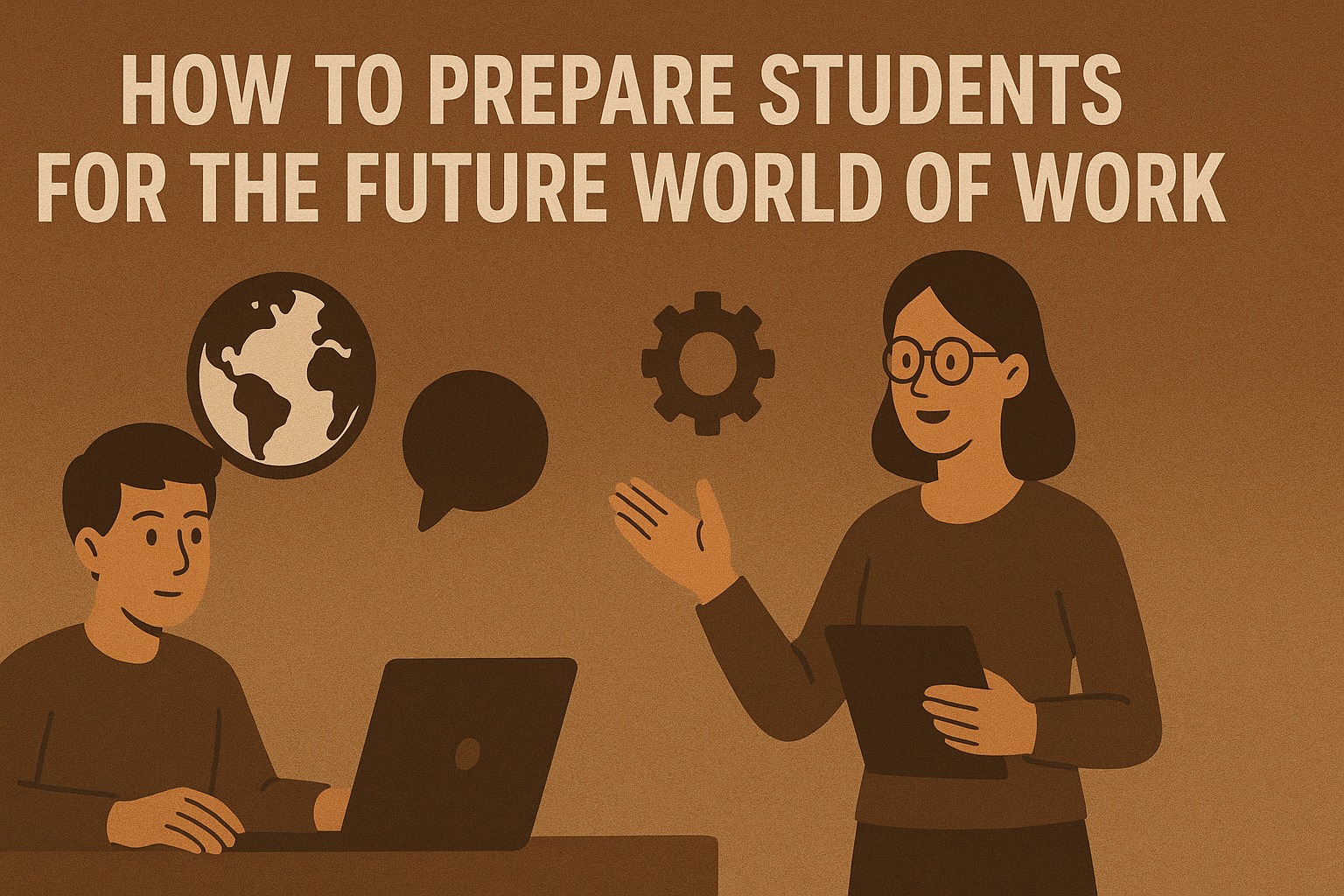
The rapid development of technology, shifting job markets, and increasingly dynamic industry demands make the future world of work full of both challenges and opportunities. In this context, schools and teachers play a crucial role in equipping students with relevant competencies. This article discusses strategic steps to prepare students for the future workforce.
1. Developing 21st-Century Skills
a. Critical Thinking and Problem-Solving
The workforce demands strong analytical abilities to handle complex issues. Teachers can build these skills through project-based learning, case studies, and open discussions.
b. Creativity and Innovation
Students must be trained to generate new ideas and view problems from different perspectives. Innovation competitions, simple product design, and creative experiments can be effective methods.
c. Collaboration and Communication
Future jobs rely heavily on teamwork across regions and cultures. Group work, presentations, and structured debates help strengthen these abilities.
2. Mastery of Digital Technology
a. Digital Literacy
Students must understand how to use technological tools, from productivity apps to learning platforms.
b. Basic Coding and Data Skills
Not every student needs to become a programmer, but understanding programming logic and basic data analysis is valuable across many fields.
c. Digital Ethics
Teaching responsible and safe online behavior is essential to prevent misuse of technology.
3. Building Character and Soft Skills
a. Independence and Responsibility
Students must learn to manage time, make decisions, and take responsibility for their tasks.
b. Resilience
The future workforce is full of change, so students should learn to recover from failures and adapt quickly.
c. Leadership
School organizations and group projects allow students to practice leading and taking initiative.
4. Connecting Education with Industry
a. Internships and Industrial Visits
Direct experience helps students understand workplace expectations and explore available job types.
b. School–Industry Collaboration
Companies can partner with schools in skill training, curriculum development, and industry-based teaching materials.
c. Guest Lectures from Practitioners
Inviting industry experts provides students real insights into professional work environments.
5. Structured Career Guidance
a. Interest and Talent Mapping
Aptitude tests help students choose the right educational or career paths.
b. Career Counseling
School counselors can assist students in planning long-term careers and creating practical steps.
c. Education on Future Job Opportunities
Students should be introduced to emerging professions such as data analysts, AI specialists, UI/UX designers, and creative economy careers.
6. Project-Based Learning (PBL)
This model trains students to design, execute, and complete real projects. It builds time management, research, collaboration, and presentation skills.
Preparing students for the future workforce is not solely the responsibility of schools, but a collaboration between teachers, parents, and industry. By developing 21st-century skills, digital literacy, strong character, and real-world work experiences, students will have a solid foundation to compete and contribute meaningfully.
About the Author
Gusti Ayu Tita
Author — STEKOM University
An active author focused on academic issues, educational technology, and human resource development in the campus environment.