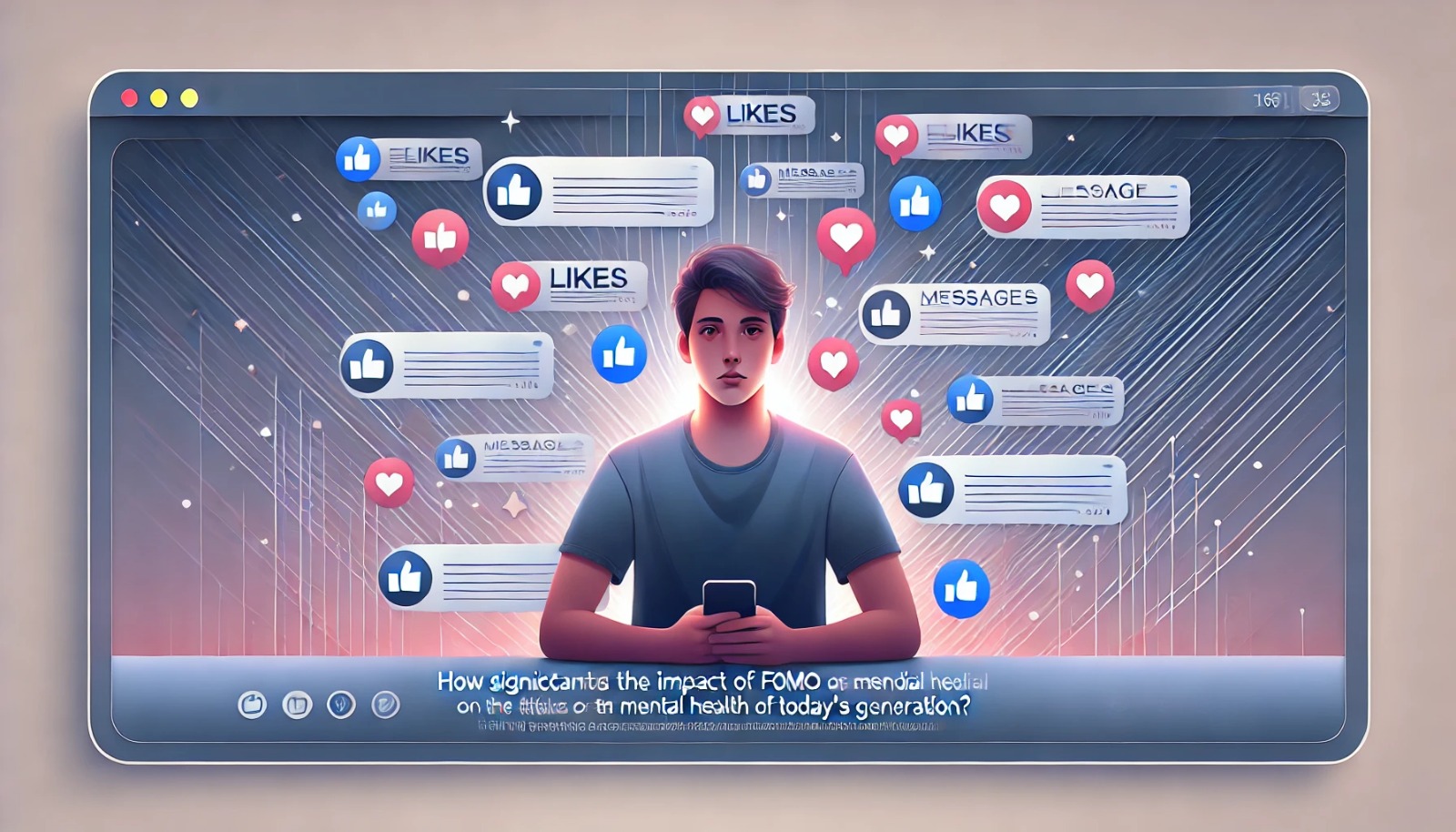
Fear of Missing Out* (FOMO) has become part of everyday life for today’s youth. The urge to stay informed, follow trends, and not miss out shapes their mindsets and behaviors. In a world of instant updates, FOMO is not just temporary anxiety—it’s a lifestyle influencing decision-making.
UNDERSTANDING FOMO AND ITS RELEVANCE TO YOUTH
FOMO is the fear of missing out on experiences, information, or opportunities. Youth who grew up with technology are highly exposed to this phenomenon.
Social media feeds filled with achievements and happy moments push them to chase similar experiences.
FOMO AND HOW YOUTH VIEW THEMSELVES
FOMO shapes self-perception:
- Standards of success become blurry, shaped more by trends than personal goals.
- Self-confidence decreases when feeling unable to keep up with others.
- Identity becomes fragile due to reliance on external validation.
HOW FOMO CHANGES DAILY HABITS
FOMO-driven behaviors include:
- Frequently checking notifications unnecessarily
- Following trends just to appear relevant
- Making impulsive purchases of viral products
- Losing quality time with loved ones due to digital distraction
THE INFLUENCE OF FOMO ON DECISIONS AND LIFESTYLE
Youth often:
- Attend events despite fatigue to avoid missing out
- Join productivity trends to appear accomplished
- Share moments to seek recognition
This results in lifestyles shaped more by digital pressure than personal needs.
STEPS TO MINIMIZE THE IMPACT OF FOMO
Youth can reduce FOMO by:
- Limiting social media time
- Setting personal life goals
- Focusing on progress instead of comparison
- Valuing offline time as mental rest
CONCLUSION
FOMO has strongly shaped the thinking and lifestyle of today’s youth. With constant updates and visible achievements from others, many feel compelled to stay involved. Although FOMO affects emotions, decision-making, and behavior, awareness and digital balance can help youth stay authentic without being overwhelmed.
About the Author
Gusti Ayu Tita
Author — STEKOM University
An active author focused on academic issues, educational technology, and human resource development in the campus environment.