
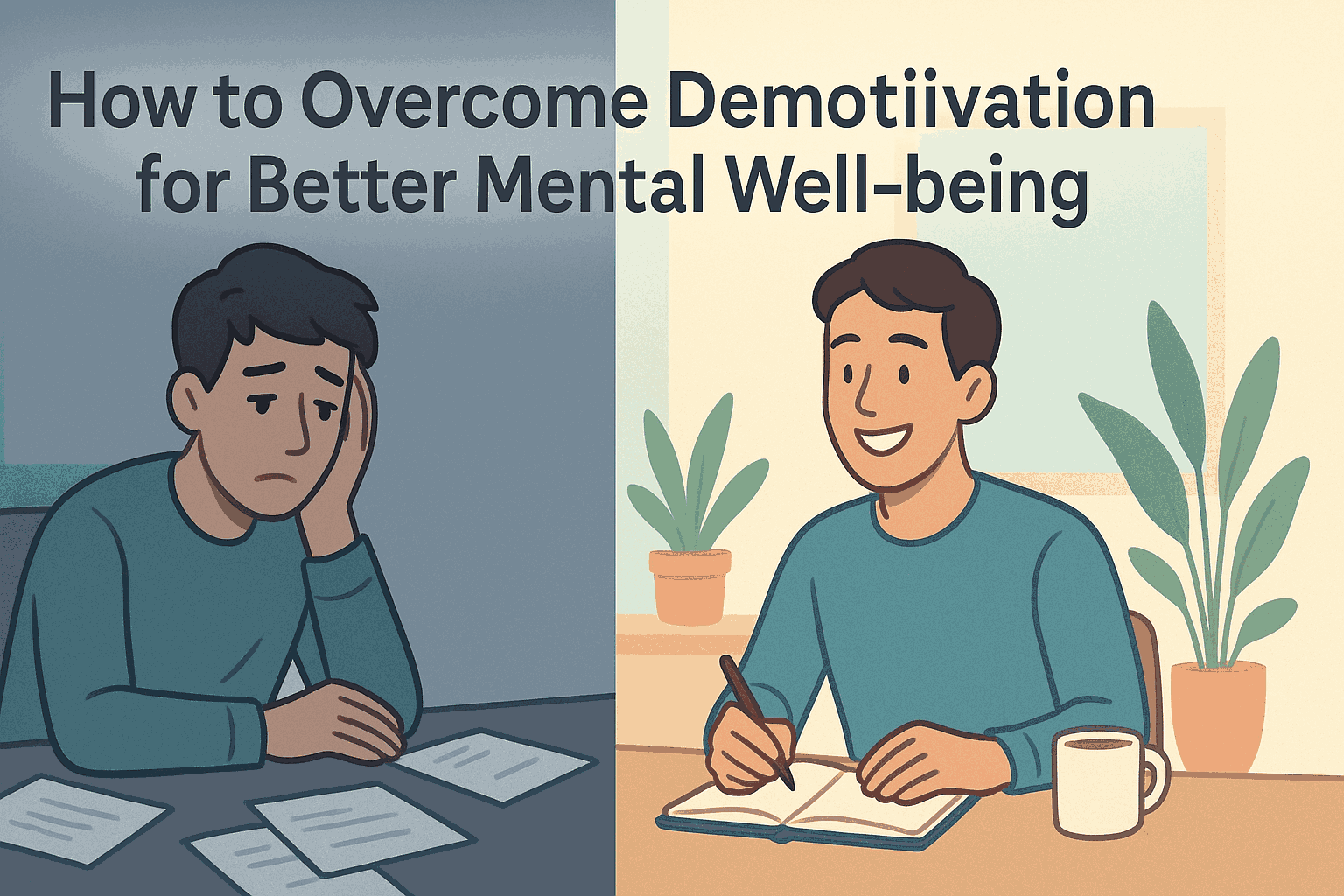
Demotivation is a state in which a person loses the drive and enthusiasm to complete tasks or pursue goals. It can affect various areas of life, including work, education, or even everyday activities. This condition can have a negative impact on one’s mental well-being and overall performance. That’s why it is essential to learn how to effectively overcome demotivation.
HOW TO OVERCOME DEMOTIVATION?
1. Identify the Root Cause
The initial step to overcoming demotivation is identifying the underlying cause. Whether it's due to work pressure, dissatisfaction, or personal issues, recognizing the cause is essential to finding the right solution.
2. Set Realistic and Measurable Goals
Clear, achievable, and trackable goals can reignite your motivation. By establishing achievable and trackable goals, you provide yourself with a clear sense of purpose and forward momentum.
3. Build a Healthy Routine
A consistent and balanced daily routine can help restore structure to your life. Having a predictable schedule gives you a sense of control and prevents the chaos that often leads to demotivation.
4. Get Enough Rest
Mental and physical rest are vital. Fatigue and burnout can intensify feelings of demotivation. It's important to prioritize proper rest and incorporate regular breaks into your daily routine.
5. Seek Support and Share Your Feelings
Talking to someone you trust can bring new insights and emotional relief. Having social support is essential for restoring motivation and enhancing overall mental well-being.
6. Find New Inspiration
Explore sources of motivation such as inspirational books, podcasts, or communities that share your interests. New perspectives can reignite your passion.
7. Don’t Be Afraid to Take a Break
If you're feeling overwhelmed, allow yourself to take time off. Taking a break allows you to refresh your mind and come back with restored energy and a clearer perspective.
8. Focus on the Positive
Shift your focus from what’s going wrong to what’s going right. Practicing gratitude and recognizing small wins can make a significant difference in your mindset.
9. Don’t Hesitate to Seek Professional Help
If demotivation keeps impacting your well-being, consider reaching out to a mental health expert for guidance and support. Therapists and psychologists can provide guidance and effective strategies.
CONCLUSION
Demotivation is a common experience that can happen to anyone at any time. However, it’s important to address it in a healthy and effective way to maintain your mental well-being. By identifying the root cause, setting realistic goals, and seeking support, you can overcome demotivation and reignite your motivation to achieve your personal and professional goals.
About the Author
Gusti Ayu Tita
Author — STEKOM University
An active author focused on academic issues, educational technology, and human resource development in the campus environment.



