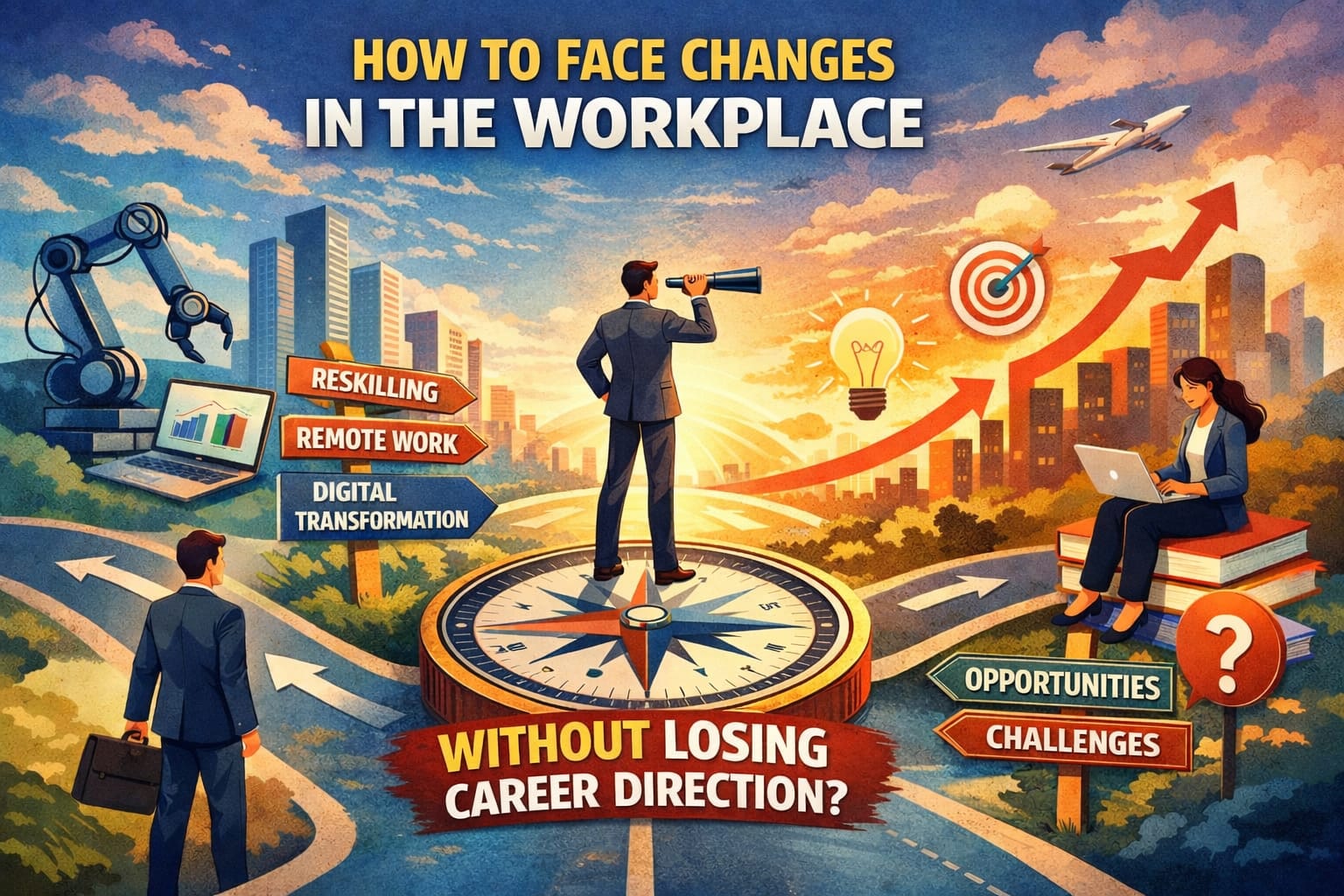
The world of work is changing rapidly with technological advances, digitalization, and shifting industry needs. Many old jobs are transforming, while new professions are constantly emerging. This situation often leaves individuals feeling insecure and disoriented in their careers. However, with the right strategy, change can actually be an opportunity for growth and development. This article discusses how to navigate the changing world of work without losing sight of your career goals.
UNDERSTANDING CHANGES IN THE WORLD OF WORK COMPLETELY
1. Understanding the causes of changes in the world of work helps you not be surprised by the transformations that occur.
Change is usually driven by technology, globalization, and evolving market needs.
2. Keeping up with industry trends makes you better prepared for change.
By knowing the direction of industry development, you can adjust your career plans early on.
3. Changing your perspective on change will reduce anxiety.
Change should be seen as an opportunity for growth, not a threat to your career.
IMPROVING RELEVANT SKILLS
1. Developing digital skills is a primary need in the modern workplace.
Mastery of basic to advanced technology increases the chances of survival and growth.
2. Strengthening soft skills helps you stay in demand in various fields.
Skills such as communication, adaptation, and teamwork are difficult to replace by technology.
3. Participate in continuous training and learning to maintain competitiveness.
Consistent learning helps you adapt to new job demands.
MAINTAINING CAREER GOALS AND VALUES
1. Setting clear career goals helps you stay focused.
A strong sense of purpose serves as a compass when facing changes in work direction.
2. Recognizing personal values makes career decision making easier.
Values such as life balance or meaning of work help choose the right opportunities.
3. Adjusting strategy without changing core values maintains career consistency.
Flexible in methods, but remain firm in the main goal.
BUILDING NETWORKS AND AN ADAPTIVE MINDSET
1. Expanding your professional network opens up new opportunities.
Relation can provide relevant information, inspiration, and job opportunities.
2. Interacting with various backgrounds enriches perspectives.
This helps you see opportunities outside of conventional career paths.
3. Developing a growth mindset makes you more prepared to face challenges.
This mindset encourages the courage to learn, try, and rise from failure.
CONCLUSION
Facing changes in the workplace without losing your career path requires mental preparedness, relevant skills, and clear goals. By understanding change, continuing to learn, maintaining career values, and developing an adaptive mindset, you can turn the dynamics of the workplace into opportunities for growth. Change will continue to occur, but with the right strategy, your career path will remain secure and strengthen in the future.
About the Author
Gusti Ayu Tita P
Author — STEKOM University
An active author focused on academic issues, educational technology, and human resource development in the campus environment.