The Role of Vocational Education in Improving the Competence of Vocational High School Graduates
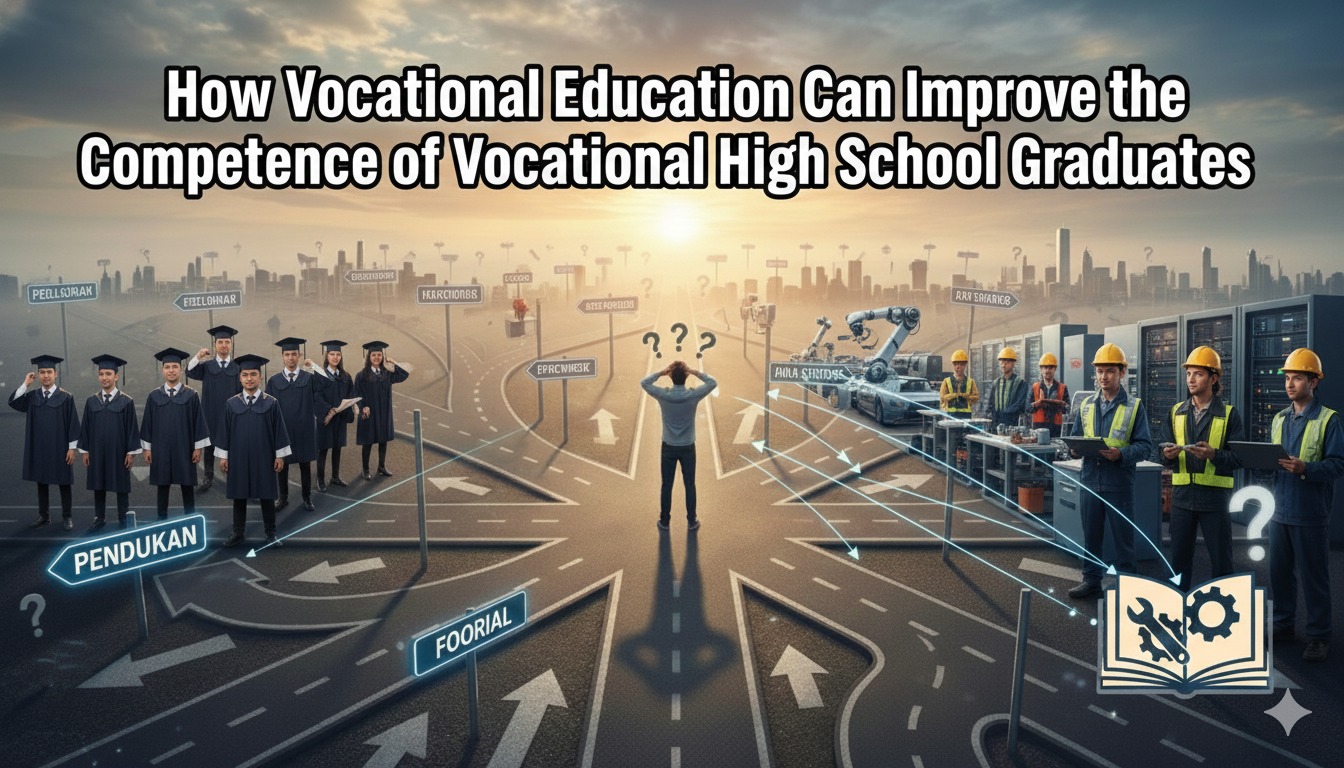
Vocational High School (SMK) graduates are expected to be ready to enter the workforce after completing their education. However, in reality, many SMK graduates still face challenges in competing in the job market. One of the main causes is the gap between industry needs and graduates’ competencies. In this situation, vocational education plays a crucial role in improving the competence of SMK graduates so they become more prepared, skilled, and relevant to the demands of the working world.
The Role of Vocational Education for SMK Graduates
Vocational education is designed to strengthen practical skills and applied expertise. For SMK graduates, vocational education serves as a strategic continuation pathway to deepen the skills related to the field of study they have previously learned.
Through vocational education, SMK graduates do not merely repeat existing material but also enhance their level of competence, both technically and professionally. This provides added value and increases their competitiveness in the job market.
Enhancement of Technical Skills and Practical Work Experience
One of the main advantages of vocational education is its greater emphasis on practical training compared to theory. Vocational students are accustomed to using work equipment, technologies, and systems commonly applied in industry.
For SMK graduates, this advanced practical experience helps deepen technical skills, improve work accuracy, and develop an understanding of operational standards in professional environments.
Industry-Based Curriculum
Vocational education applies a curriculum developed based on industry needs. Many vocational institutions collaborate with businesses and industries in designing learning materials to ensure alignment with technological developments and labor market demands.
With a well-targeted curriculum, SMK graduates who continue to vocational education gain competencies that are truly required by companies, thereby increasing their employment opportunities.
Internship Programs and Real Work Experience
Internships are a key component of vocational education. Through internship programs, SMK graduates gain direct work experience in companies or relevant industries.
This experience not only improves technical skills but also develops professional attitudes such as discipline, responsibility, communication, and teamwork. These qualities are essential in enhancing the employability of SMK graduates.
Strengthening Soft Skills and Professional Attitudes
In addition to technical skills, vocational education also plays an important role in developing the soft skills of SMK graduates. Communication skills, critical thinking, and problem-solving abilities are integrated into the learning process.
Strong soft skills enable SMK graduates to adapt more easily to the workplace, understand instructions effectively, and work independently as well as collaboratively in teams.
Expanding Employment and Career Opportunities
With improved competencies gained through vocational education, SMK graduates have broader employment opportunities. They can work in various industries, pursue professional careers, or even start their own businesses in line with their field of expertise.
Vocational education also opens opportunities to obtain industry-recognized competency certifications, increasing employers’ trust in graduates’ abilities.
Conclusion
Vocational education plays a vital role in enhancing the competence of SMK graduates. Through practice-oriented learning, industry-relevant curricula, and real work experience, SMK graduates become more prepared and capable of facing the world of work.
Strengthening vocational education for SMK graduates is a strategic step toward creating a skilled, competitive workforce that can meet the demands of today’s and future industries.
About the Author
Gusti Ayu Tita
Author — STEKOM University
An active author focused on academic issues, educational technology, and human resource development in the campus environment.