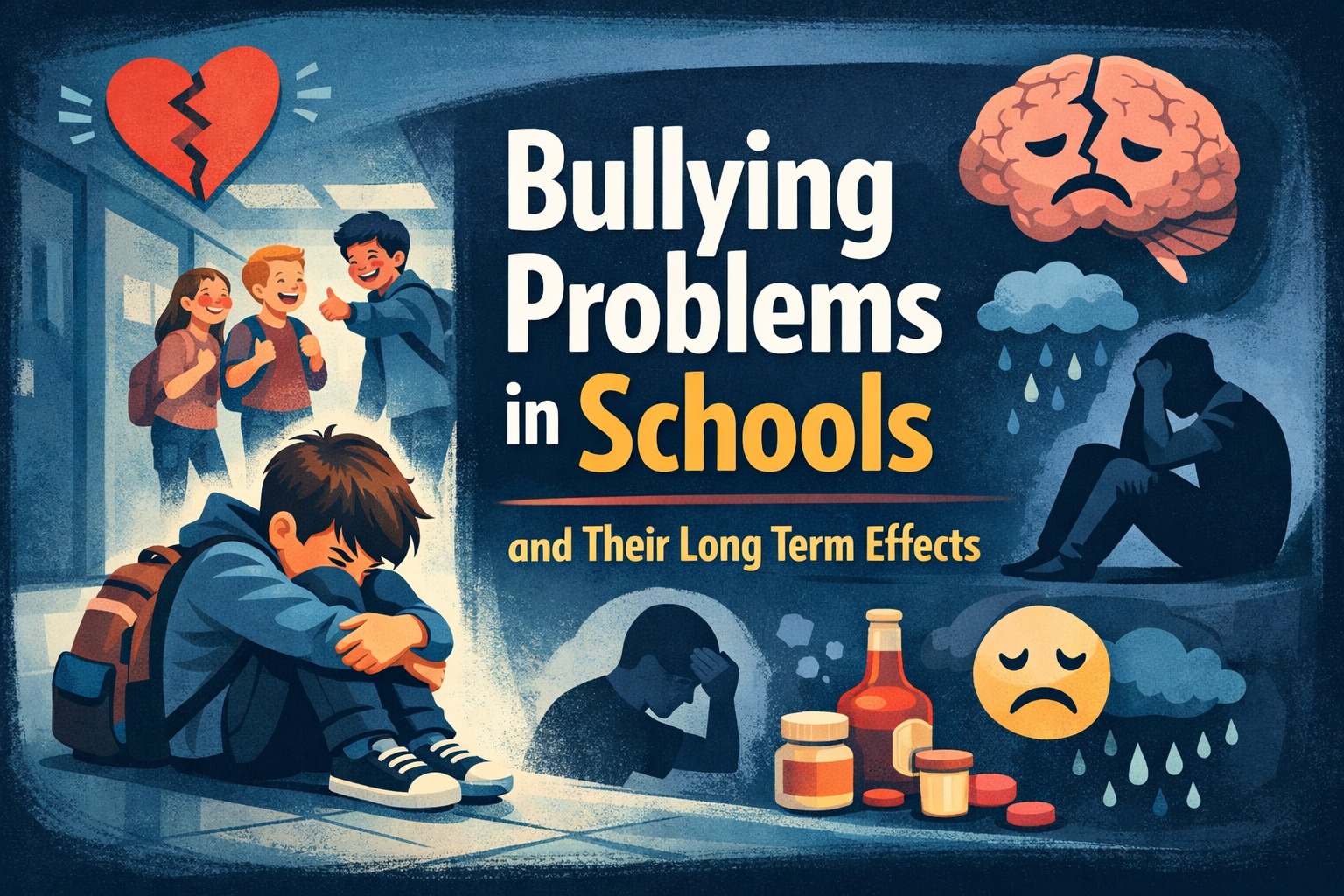
Bullying in schools has become one of the most serious social issues affecting students worldwide. From verbal harassment to physical violence and cyberbullying, many children experience harmful treatment during their academic years. Unfortunately, bullying does not only impact students in the short term. Its effects can continue into adulthood, influencing mental health, social relationships, education, and career development.
Understanding the causes and long term effects of bullying is important for parents, teachers, and society. By recognizing the warning signs and taking preventive action, schools can create a safer and healthier learning environment for all students.
WHAT IS SCHOOL BULLYING?
School bullying refers to repeated aggressive behavior intended to hurt, intimidate, or control another student. Bullying can happen in classrooms, playgrounds, school buses, or online through social media platforms.
There are several common types of bullying, including:
- Physical bullying such as hitting or pushing
- Verbal bullying through insults or threats
- Social bullying like spreading rumors or excluding others
- Cyberbullying using digital platforms to harass victims
Bullying often targets students who appear different in terms of appearance, personality, academic ability, or social background.
CAUSES OF BULLYING IN SCHOOLS
Bullying can occur due to many social and psychological factors. Some students bully others to gain power, seek attention, or fit into certain social groups. In some cases, children imitate aggressive behavior they witness at home or in media.
Several common causes of bullying include:
Lack of Parental Attention
Children who grow up without proper emotional support may develop aggressive behavior toward others.
Peer Pressure
Students sometimes bully others to gain acceptance within a group or to avoid becoming victims themselves.
Poor School Supervision
Schools with weak disciplinary systems often experience higher bullying rates because students feel there are no serious consequences.
Low Emotional Awareness
Many young people struggle to understand empathy and emotional control, which can increase harmful behavior toward classmates.
LONG TERM EFFECTS OF BULLYING
Bullying can leave deep emotional scars that continue for years. Victims may experience psychological, academic, and social problems long after leaving school.
Mental Health Problems
Many bullying victims suffer from anxiety, depression, stress, and low self esteem. Some individuals may continue experiencing trauma well into adulthood.
Academic Decline
Students who face bullying often lose motivation to attend school or participate in classroom activities. This can negatively affect grades and future educational opportunities.
Difficulty Building Relationships
Victims of bullying may develop trust issues and struggle to form healthy friendships or romantic relationships later in life.
Increased Risk of Social Isolation
Long term bullying can cause individuals to withdraw from social environments and avoid interaction with others.
Negative Career Impact
Adults who experienced severe bullying during childhood may struggle with confidence in professional settings, limiting career growth and communication skills.
HOW SCHOOLS CAN PREVENT BULLYING
Preventing bullying requires cooperation between schools, parents, and communities. Schools should promote respect, inclusivity, and emotional education among students.
Some effective anti bullying strategies include:
- Establishing clear school rules against bullying
- Providing counseling services for students
- Encouraging open communication between teachers and students
- Educating children about empathy and respect
- Monitoring online activities related to cyberbullying
Creating a positive school culture can significantly reduce bullying incidents and improve student well being.
THE ROLE OF PARENTS IN HANDLING BULLYING
Parents play a critical role in identifying and preventing bullying problems. Children who feel emotionally supported at home are more likely to report bullying experiences.
Parents should:
- Listen carefully to children’s concerns
- Teach emotional intelligence and kindness
- Monitor behavioral changes
- Cooperate with teachers and school staff
- Encourage confidence and healthy friendships
Early intervention can help prevent bullying from causing long lasting emotional damage.
CONCLUSION
Bullying problems in schools are not simple childhood conflicts. They can create serious long term effects on mental health, education, relationships, and future success. Both victims and perpetrators need guidance, support, and proper intervention to break the cycle of harmful behavior.
Schools, parents, and communities must work together to build safe educational environments where every student feels respected and protected. By increasing awareness and promoting empathy, society can reduce bullying and support healthier generations in the future.
About the Author
Gusti Ayu Tita
Author — STEKOM University
An active author focused on academic issues, educational technology, and human resource development in the campus environment.