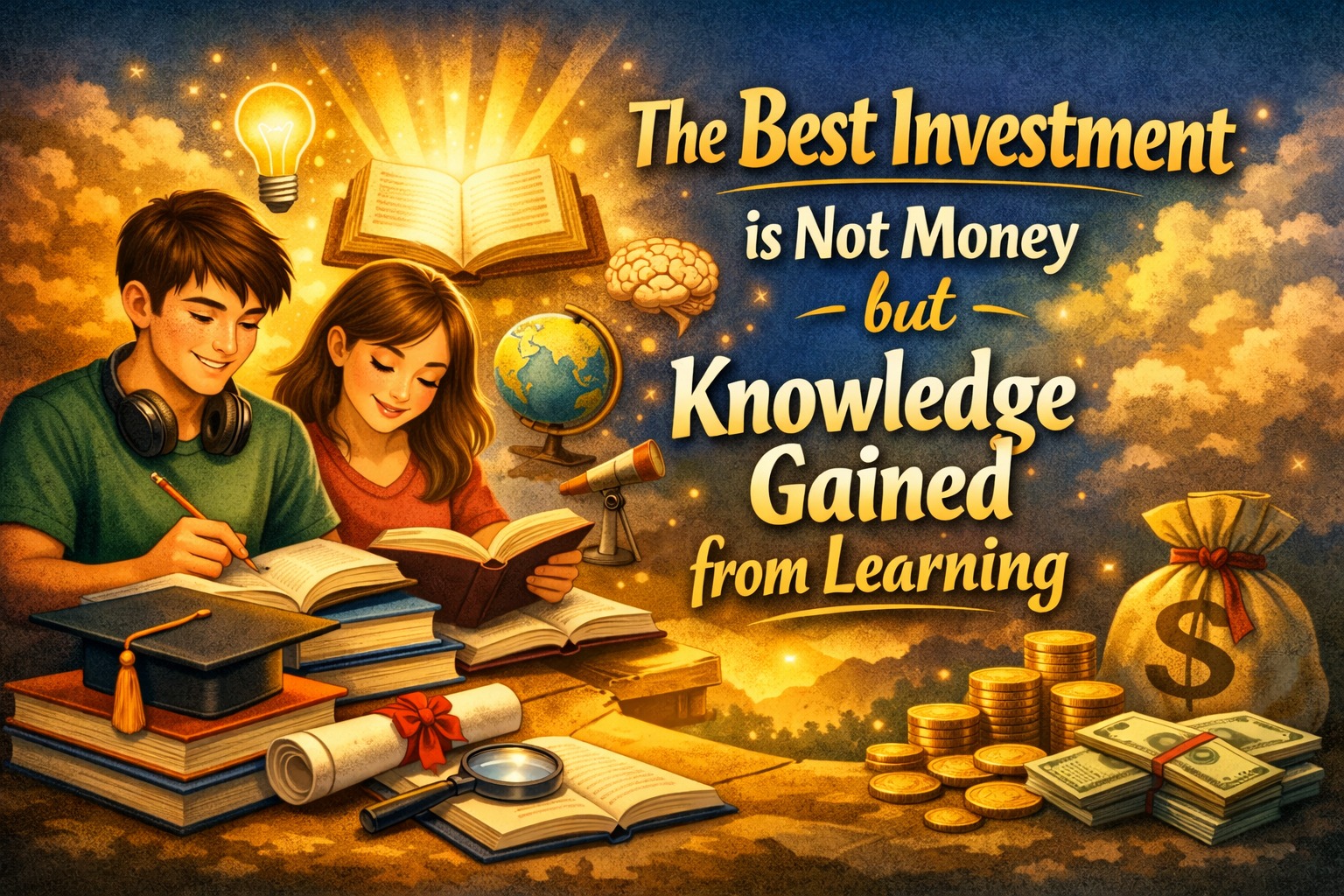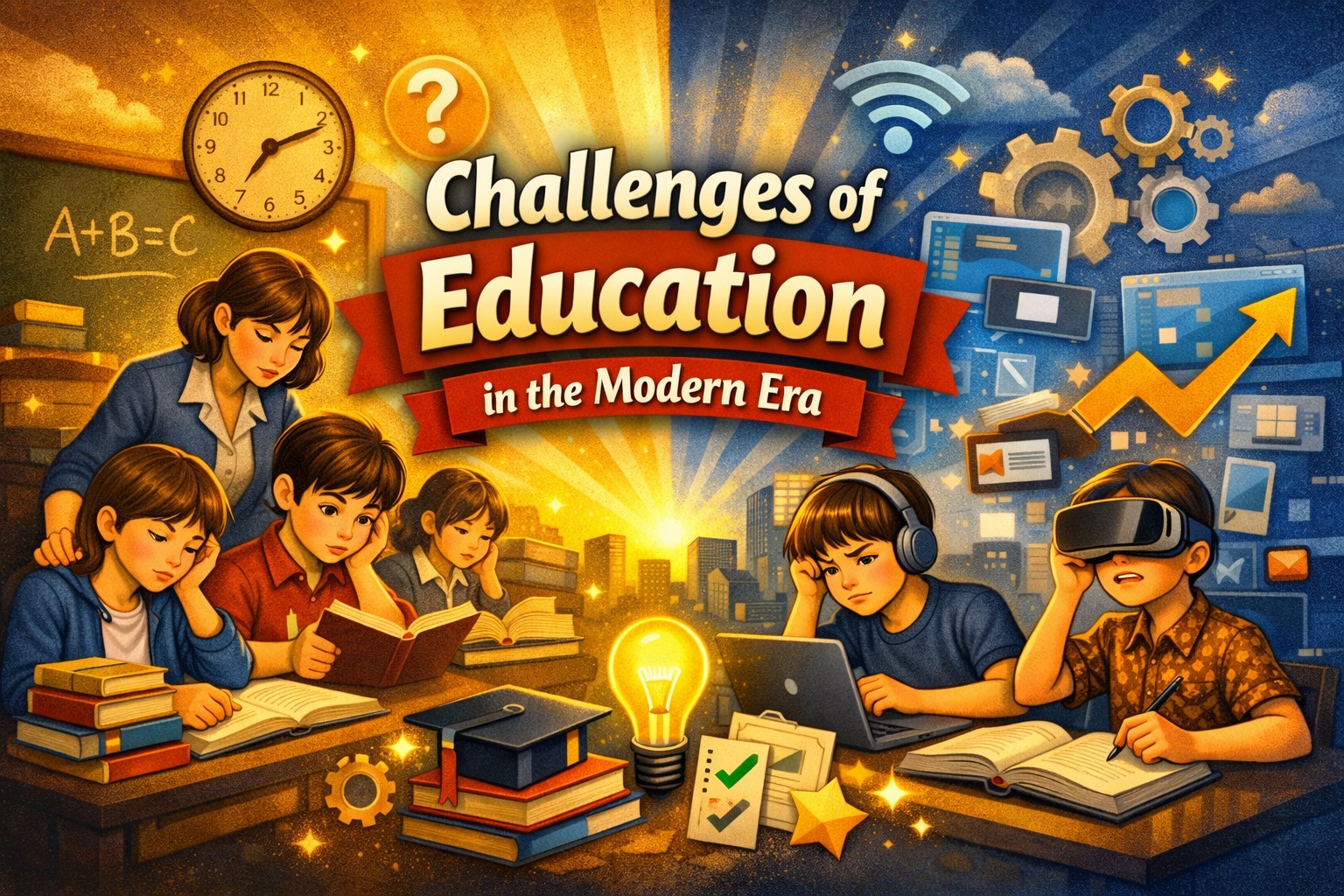
Education has always been the backbone of societal progress. However, the modern era has introduced rapid technological change, shifting economic demands, and evolving social expectations that reshape how education works. While opportunities for learning have expanded, new challenges have emerged that educators, students, and policymakers must address to ensure quality education remains accessible and relevant.
THE IMPACT OF TECHNOLOGY ON LEARNING
Technology has transformed classrooms worldwide. Online learning platforms, virtual classrooms, and digital tools have made education more flexible and accessible than ever before. Students can now access knowledge anytime and anywhere.
Despite these advantages, technology also creates challenges. Not all students have equal access to devices or reliable internet connections. This digital divide widens the gap between learners from different socio-economic backgrounds. Additionally, excessive reliance on technology can reduce face-to-face interaction, affecting social development and communication skills.
THE CHANGING ROLE OF TEACHERS
Teachers today are no longer just sources of information. They are facilitators, mentors, and guides who help students navigate vast amounts of information available online. This shift requires educators to continuously upgrade their skills and adapt to new teaching methods.
However, professional development opportunities are not always evenly distributed. Many educators face limited training resources, heavy workloads, and pressure to integrate technology quickly. Without proper support, the transition to modern teaching methods becomes difficult.
MENTAL HEALTH AND STUDENT WELL-BEING
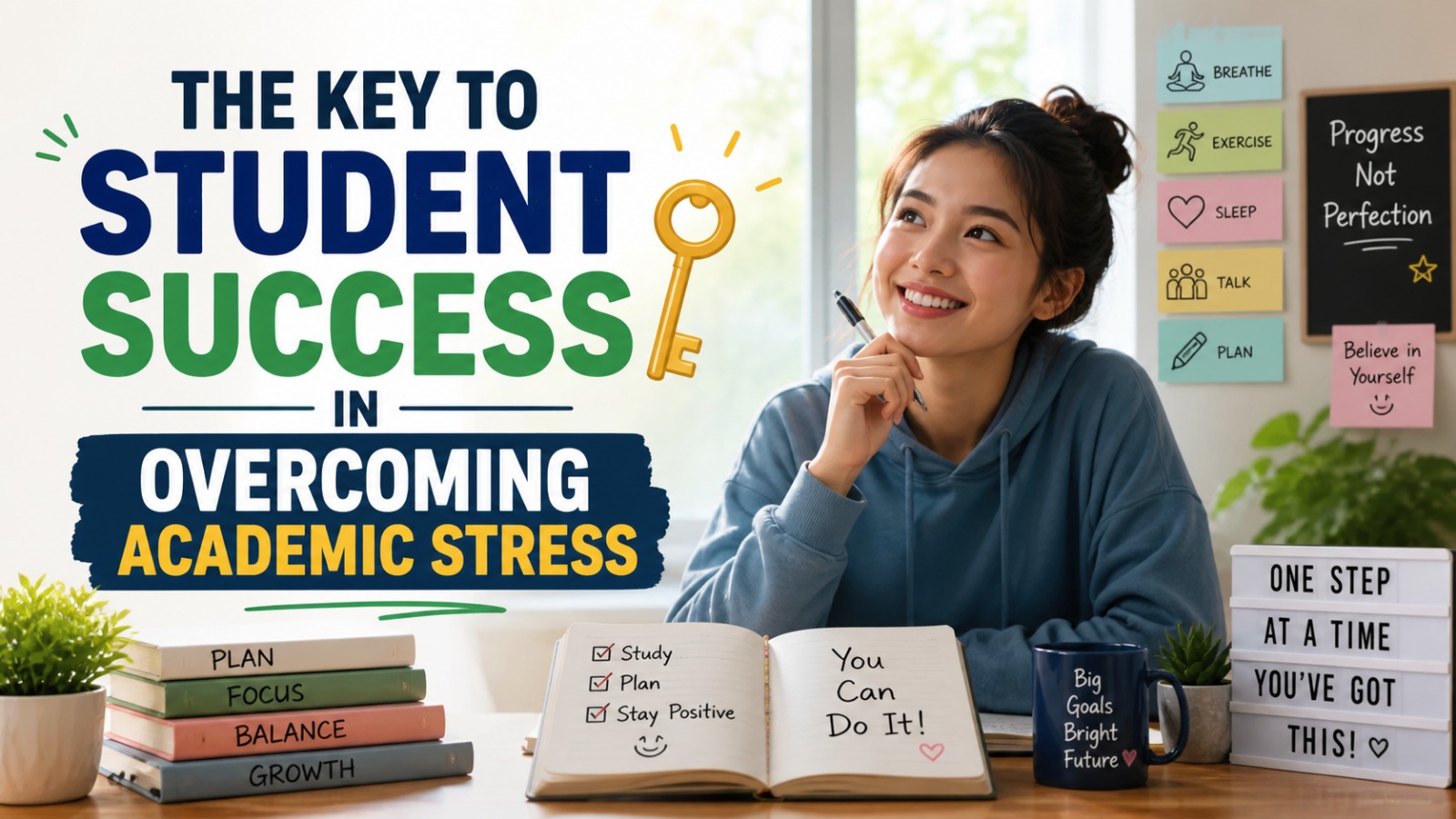
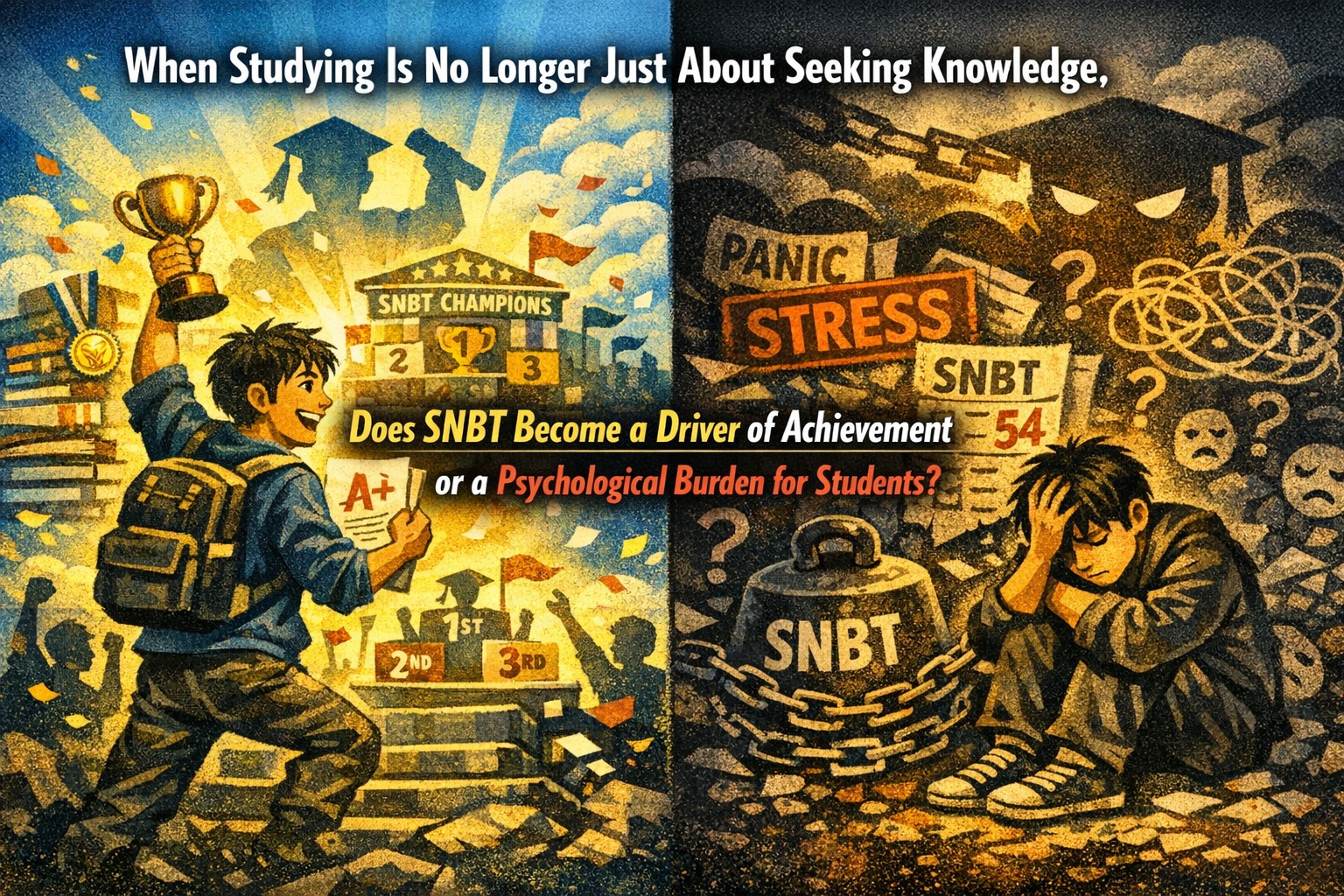
Modern students face increasing academic pressure, social expectations, and constant digital exposure. These factors contribute to stress, anxiety, and burnout among learners.
Schools are now expected to address mental health alongside academic performance. Yet, many institutions lack adequate counseling services or trained staff to support students’ emotional needs. Balancing academic excellence with well-being has become a major educational challenge.
THE GAP BETWEEN EDUCATION AND INDUSTRY NEEDS
The job market is evolving rapidly due to automation, artificial intelligence, and globalization. Many employers seek skills such as critical thinking, creativity, and adaptability. Unfortunately, traditional education systems often focus more on memorization than practical skills.
Bridging this gap requires curriculum reform, stronger partnerships with industries, and emphasis on real-world problem-solving. Education must prepare students not only to pass exams but also to thrive in the workplace.
INEQUALITY IN ACCESS TO EDUCATION
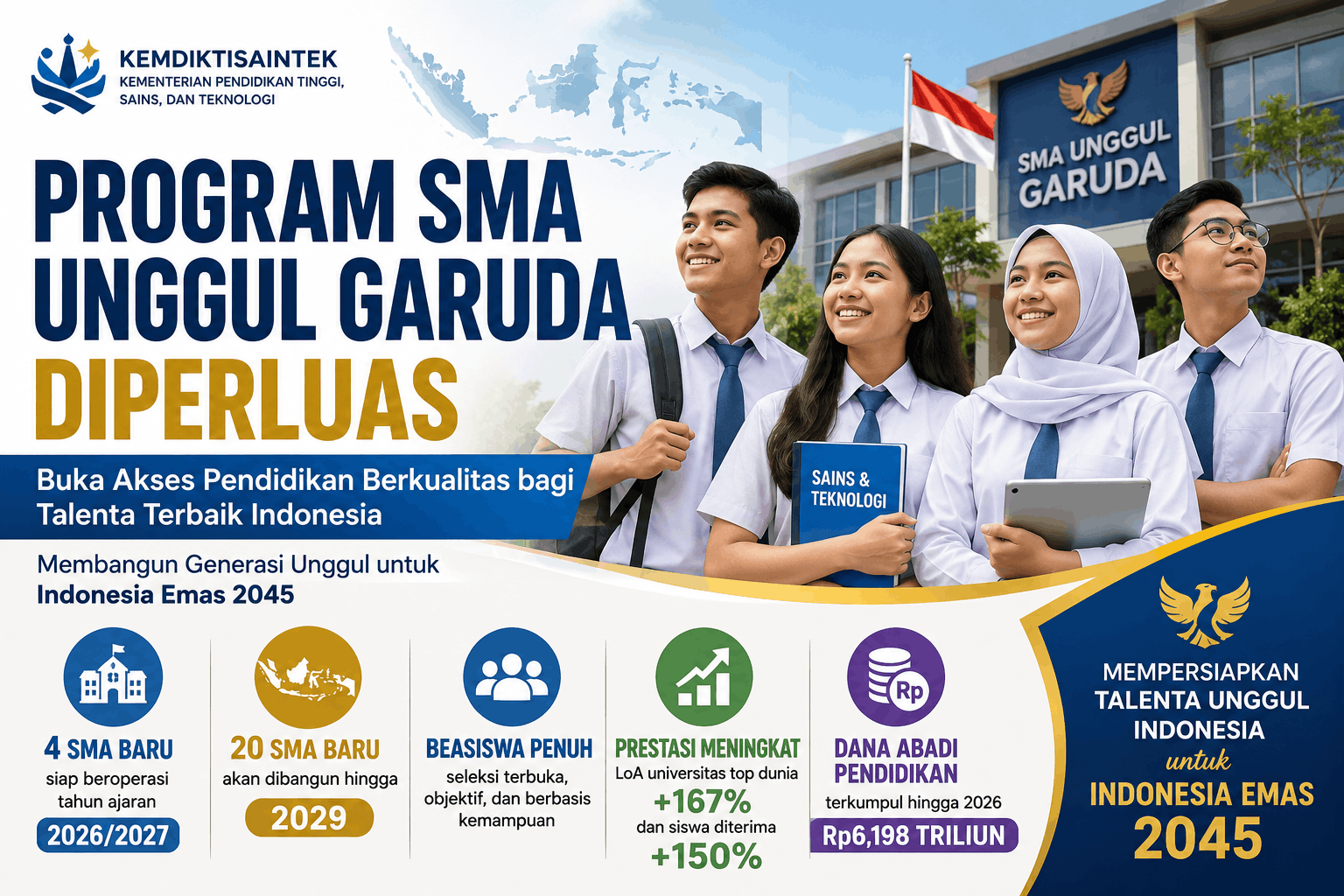
Access to quality education remains unequal across regions and communities. Economic limitations, geographic barriers, and social inequality prevent many students from receiving proper schooling.
Modern education systems must prioritize inclusivity by providing scholarships, improving infrastructure, and expanding digital learning opportunities. Ensuring equal access is essential for building a fair and progressive society.
ADAPTING TO LIFELONG LEARNING
Learning no longer ends after graduation. The fast pace of change requires individuals to continuously update their skills throughout their lives. Lifelong learning has become a necessity rather than an option.
Educational institutions must create flexible programs that support adult learners, career changers, and professionals seeking new skills. Encouraging a culture of continuous learning will help societies remain competitive and resilient.
CONCLUSION
The modern era presents both opportunities and obstacles for education. Technology, mental health concerns, inequality, and the evolving job market demand innovative solutions. By embracing change, supporting educators, and prioritizing student well-being, education systems can adapt and thrive in this dynamic world.
About the Author
Gusti Ayu Tita
Author — STEKOM University
An active author focused on academic issues, educational technology, and human resource development in the campus environment.