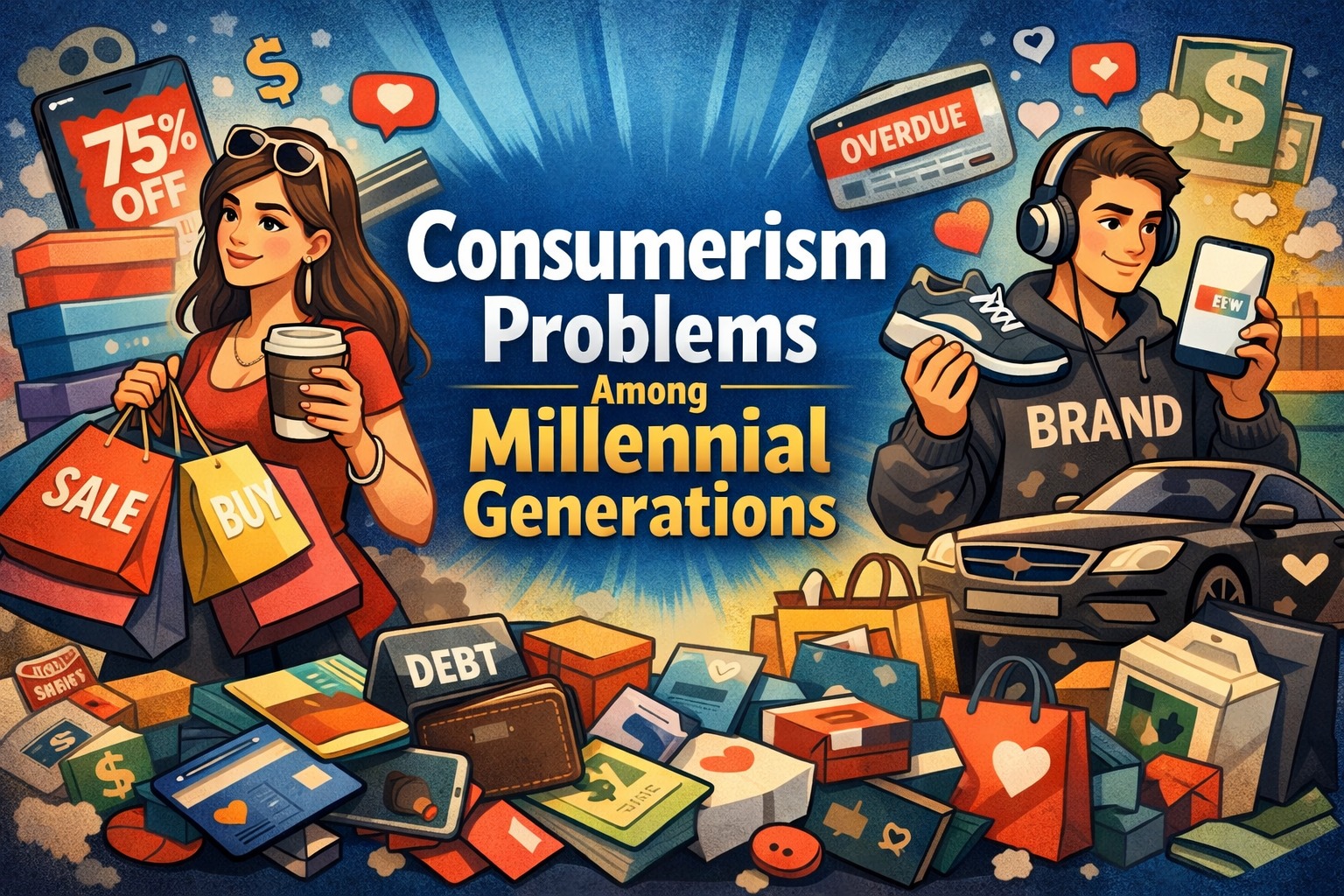
The rise of modern technology and digital lifestyles has significantly changed the way people spend money, especially among millennials. This generation is often associated with trends, social media influence, and a fast-paced lifestyle that encourages excessive consumption. While consumerism can stimulate economic growth, uncontrolled spending habits may create serious financial and psychological problems. Understanding the causes and impacts of consumerism among millennials is important to build healthier financial behavior in the future.
THE RISE OF CONSUMERISM IN MILLENNIAL GENERATIONS
Millennials are considered one of the most consumptive generations in modern society. The rapid growth of online shopping platforms, digital payment systems, and social media advertisements has made purchasing products easier than ever before. Many millennials are exposed to constant marketing campaigns that encourage impulsive buying behavior.
Social media also plays a major role in shaping consumer lifestyles. Influencers, celebrities, and viral trends often create pressure to follow the latest fashion, gadgets, or luxury experiences. As a result, many young adults spend money not based on necessity, but on social validation and lifestyle expectations.
Another factor contributing to consumerism is the culture of instant gratification. Millennials tend to prioritize convenience and immediate satisfaction. With one-click purchases and buy-now-pay-later services, people can easily purchase items without considering long-term financial consequences.
NEGATIVE IMPACTS OF EXCESSIVE CONSUMERISM
Consumerism among millennials can lead to several financial and emotional problems. One of the biggest issues is increasing personal debt. Many young adults rely on credit cards, installment plans, or online loans to maintain their lifestyle. Over time, unmanaged debt may cause financial instability and stress.
Excessive spending habits can also reduce savings and investment opportunities. Instead of preparing for future goals such as home ownership, retirement, or education, many millennials spend money on temporary pleasures and luxury products.
Besides financial issues, consumerism can negatively affect mental health. Constant comparison on social media often creates anxiety, insecurity, and low self-esteem. People may feel pressured to appear successful or fashionable even when they are struggling financially.
Environmental problems are another consequence of consumerism. Fast fashion, electronic waste, and excessive product consumption contribute to pollution and resource depletion. The increasing demand for trendy products encourages unsustainable production practices that harm the environment.
HOW MILLENNIALS CAN OVERCOME CONSUMERISM
To reduce consumerism, millennials need to develop better financial awareness and self-control. Creating a monthly budget is one effective way to monitor spending habits and prioritize essential needs over unnecessary wants.
Financial education is equally important. Understanding saving strategies, investments, and debt management can help young adults make smarter financial decisions. Many free online resources and financial planning applications can support better money management.
Limiting exposure to social media trends may also reduce impulsive spending. Millennials should focus on personal financial goals rather than comparing their lifestyles with others online. Practicing mindful consumption and purchasing products based on necessity can create healthier habits.
Supporting sustainable products and ethical brands is another positive step. By choosing quality over quantity, millennials can reduce waste while contributing to environmental sustainability.
CONCLUSION
Consumerism problems among millennial generations have become a growing concern in modern society. Digital technology, social media influence, and lifestyle pressures encourage excessive spending habits that may lead to debt, stress, and environmental issues. However, with stronger financial literacy, mindful spending, and better self-discipline, millennials can build a more balanced and sustainable lifestyle. Reducing consumerism is not only beneficial for personal finances but also for mental well-being and the environment.
About the Author
Gusti Ayu Tita
Author — STEKOM University
An active author focused on academic issues, educational technology, and human resource development in the campus environment.