
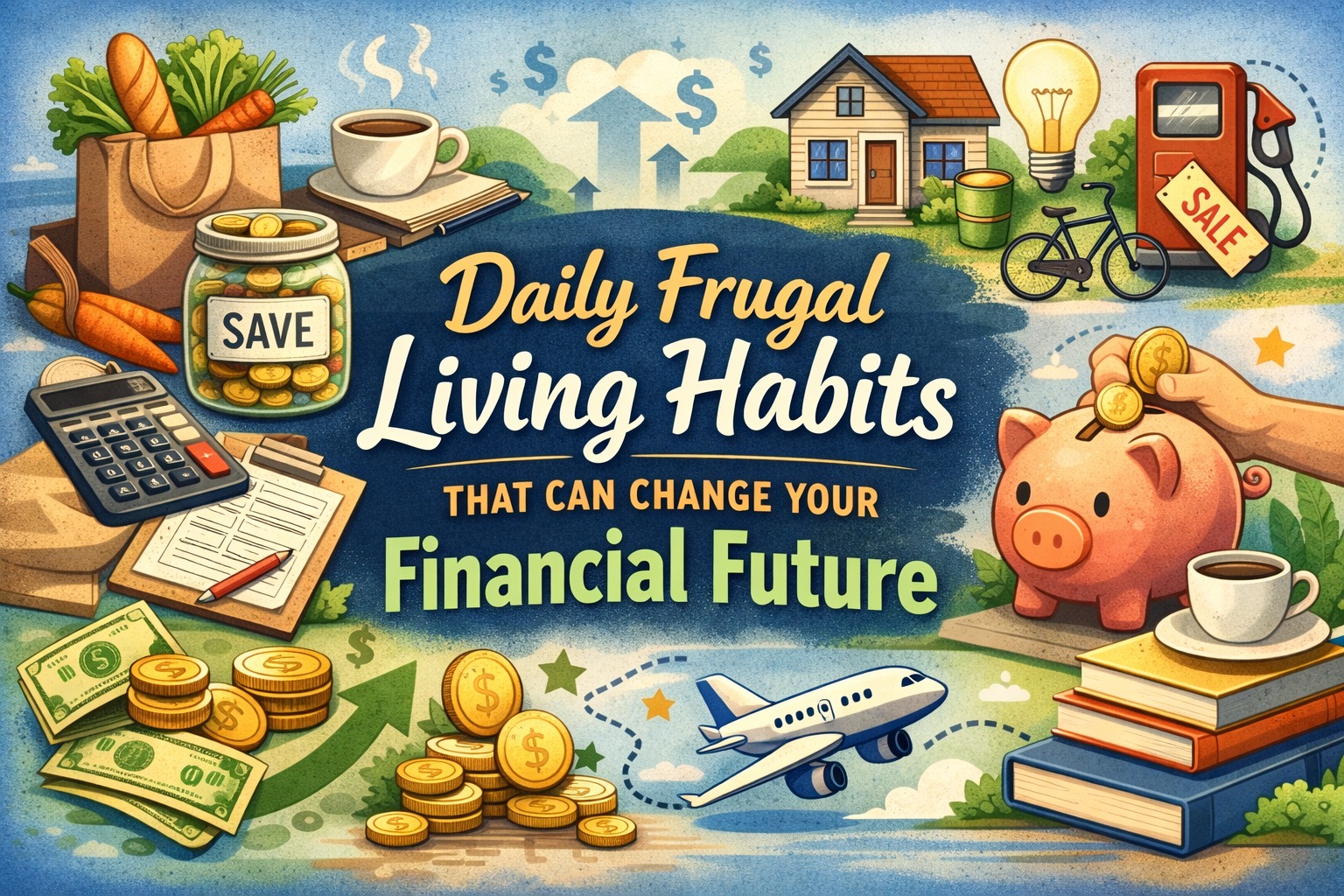
Managing money wisely is not only about earning a high income. Many people improve their financial future through small daily habits that reduce unnecessary spending and increase savings over time. Frugal living is not about being cheap or avoiding happiness. Instead, it focuses on spending intentionally and making smarter financial choices every day.
By practicing simple frugal habits consistently, you can reduce stress, build savings, and create a more secure future. Here are practical daily frugal living habits that can truly change your financial life.
UNDERSTAND THE TRUE MEANING OF FRUGAL LIVING
Frugal living means using your resources wisely without sacrificing your quality of life. It encourages people to focus on value instead of impulsive spending. A frugal lifestyle helps you separate needs from wants and teaches better money management.
Many successful people live frugally because they understand that financial freedom comes from smart decisions, not from showing off expensive lifestyles. Small savings made every day can grow into significant financial progress over time.
CREATE A DAILY BUDGETING HABIT
One of the most effective habits in frugal living is tracking your daily expenses. When you know where your money goes, it becomes easier to control spending and avoid waste.
You can use a budgeting app, notebook, or spreadsheet to record your expenses. Even tracking small purchases like snacks or coffee can help you identify spending patterns. Setting daily spending limits also helps you stay disciplined and focused on financial goals.
Budgeting regularly allows you to save more money and avoid unnecessary debt in the future.
COOK MORE MEALS AT HOME
Eating outside frequently can quickly drain your finances. Preparing meals at home is one of the easiest ways to save money daily while also improving your health.
Meal planning helps reduce food waste and prevents impulsive food purchases. Buying ingredients in bulk and cooking simple homemade meals can significantly lower monthly expenses.
You do not need expensive recipes to enjoy delicious food. Many affordable meals are healthy, satisfying, and easy to prepare at home.
AVOID IMPULSE BUYING
Impulse purchases are one of the biggest obstacles to financial stability. Many people buy items they do not truly need simply because of discounts, advertisements, or emotional triggers.
Before buying something, try using the 24-hour rule. Wait at least one day before making non-essential purchases. This simple habit helps you think carefully about whether the item is truly necessary.
Creating a shopping list before visiting stores also reduces unnecessary spending and keeps your budget under control.
USE ENERGY AND RESOURCES WISELY
Saving electricity, water, and fuel may seem small, but these habits create long-term financial benefits. Turning off unused lights, unplugging electronics, and reducing water waste can lower monthly bills.
Using public transportation, walking, or combining errands into one trip can also reduce transportation expenses. These practical habits not only save money but also support a more environmentally friendly lifestyle.
Consistency in managing resources efficiently can lead to noticeable financial improvement over time.
FOCUS ON LONG-TERM FINANCIAL GOALS
Frugal living becomes easier when you have clear financial goals. Whether you want to build an emergency fund, buy a house, travel, or retire comfortably, strong goals create motivation to spend wisely.
Instead of chasing temporary satisfaction, focus on long-term financial security. Celebrate small financial achievements and continue improving your habits gradually.
Building wealth does not happen overnight. Daily discipline and smart decisions are the foundation of lasting financial success.
CONCLUSION
Daily frugal living habits may seem simple, but they can create a major impact on your financial future. Tracking expenses, cooking at home, avoiding impulse buying, and managing resources wisely are practical actions that help build financial stability over time.
Frugal living is not about limiting happiness. It is about making intentional choices that support your goals and provide greater financial freedom. By practicing these habits consistently, you can create a healthier relationship with money and enjoy a more secure future.
About the Author
Gusti Ayu Tita
Author — STEKOM University
An active author focused on academic issues, educational technology, and human resource development in the campus environment.



