
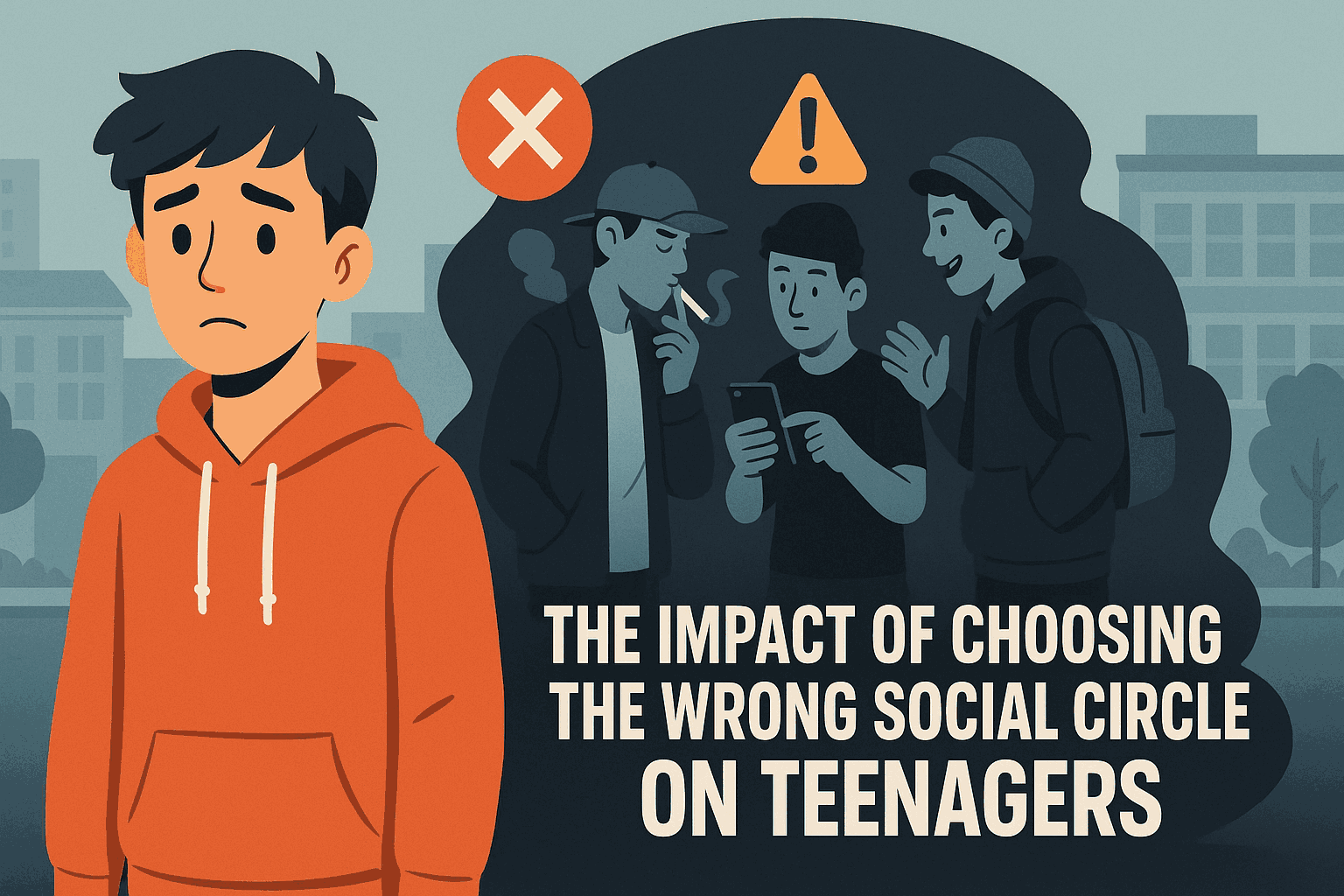
Entering adolescence is a crucial phase in a person’s life, where individuals begin to shape their identity and form social relationships. However, choosing the wrong social circle can significantly impact a teenager’s development. This article explores the negative effects of associating with the wrong peers during adolescence.
1. IMPACT ON MENTAL HEALT
One of the most noticeable effects of negative peer influence is its toll on mental health. Teenagers who associate with unsupportive or toxic groups—especially those engaging in harmful behaviors like drug abuse—are more likely to experience stress, anxiety, or even depression. A toxic environment can cause isolation and lower a teen's self-confidence.
2. DEVIAN BEHAVIOR
Teens caught in bad company are more prone to engage in deviant behavior, such as fighting, substance abuse, or even criminal acts. Involvement in these activities can lead to dangerous situations and jeopardize their future. Furthermore, such behavior may strain relationships with parents, teachers, and positive peers.
3. DECLINE IN A ACADEMIC PERMANCE
Unhealthy friendships can directly affect a teenager’s academic performance. When teens prioritize negative social activities over studying, motivation and academic achievement often decline. A lack of interest in education can hinder their chances of pursuing higher studies and achieving future goals.
4. PHYSICAL HEALTH ISSUES
Bad social influences often lead to poor physical health. Teens who smoke, drink alcohol, or use illegal substances with their peers are at risk for serious health problems like respiratory disorders, liver disease, and mental health issues. Unhealthy habits copied from peers—such as lack of sleep and poor diet—can further lower their quality of life.
5. UNHEALTHY RELATIONSHIPS
Poor social choices can lead to toxic relationships. Teens who associate with manipulative or harmful individuals may develop trust issues and unhealthy relationship patterns. These experiences can trap them in cycles of emotional distress and affect their ability to form positive relationships in the future.
6. DECREASED SOCIAL SKILLS
When teenagers spend time with the wrong crowd, they may miss out on developing positive social skills. Low-quality interactions can hinder their communication and collaboration abilities. Over time, this can prevent them from building a healthy and beneficial social network.
7. LONG-TERM CONSEQUENCES
The effects of poor social choices in adolescence can extend far into adulthood. Teenagers engaged in harmful behavior often struggle to secure good jobs, pursue education, or lead a stable life. Bad habits formed during adolescence can persist and obstruct their overall growth and development.
CONCLUSION
Choosing the right friends is one of the most critical decisions a teenager can make. The negative consequences of poor social choices affect not only mental and physical health but also academic and personal success. Therefore, it is vital for teenagers to build supportive and positive relationships and steer clear of harmful influences. By understanding the potential damage of negative social circles, teens can make wiser choices and protect their future.
About the Author
Gusti Ayu Tita
Author — STEKOM University
An active author focused on academic issues, educational technology, and human resource development in the campus environment.



