
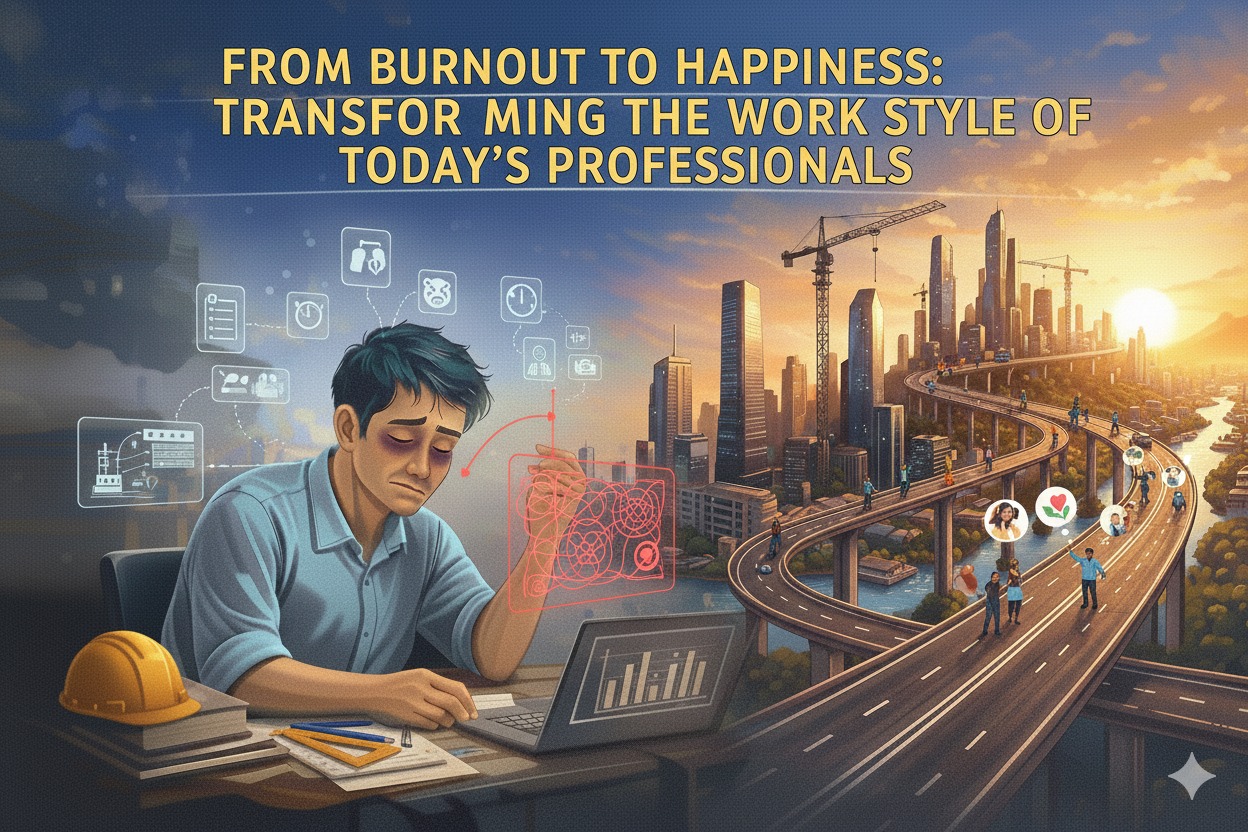
From Burnout to Happiness: The Transformation of Modern Work Culture
Burnout has become a common phenomenon among modern professionals. High work pressure, endless digital demands, and intense competition have caused many workers to experience a decline in energy, focus, and motivation. However, recent shifts in work patterns show a transformation toward a healthier, more humane model that supports long-term happiness.
This transformation is essential to creating a productive work environment while maintaining sustainable mental and emotional well-being for employees.
UNDERSTANDING THE BURNOUT PHENOMENON IN THE DIGITAL ERA
Burnout is not merely physical exhaustion. It is the result of prolonged stress that affects emotions, thoughts, and work performance. In the digital era, burnout occurs more frequently as the boundaries between personal and professional life become increasingly blurred.
Several factors that trigger burnout include:
Excessive Workload
An imbalance between workload and individual capacity quickly drains energy and focus.
Lack of Control at Work
Without autonomy in managing strategies or work rhythms, employees are more likely to feel overwhelmed.
Minimal Workplace Support
Unsupportive work environments accelerate stress and reduce motivation.
Digital Technology Disruptions
Constant notifications, multitasking, and uninterrupted online demands contribute to mental fatigue.
THE SHIFT IN WORK STYLE: FROM PRESSURE TO WELL-BEING
Modern work trends indicate a significant shift. Companies and employees are moving away from pressure-driven work cultures toward healthier and more balanced approaches.
1. More Humane Work Flexibility
Flexibility is no longer just about working from home but about having the freedom to choose work patterns that align with personal rhythms. This approach promotes emotional stability and better focus.
2. Focusing on Results, Not Working Hours
Many organizations are leaving overtime culture behind and evaluating performance based on outcomes. This increases autonomy and reduces time-related stress.
3. Supportive Mental Health Work Environments
Providing counseling services, wellness programs, and designated mental health days has become a crucial strategy to prevent burnout.
4. Wise Use of Technology
Technology is now positioned as a support tool rather than a source of pressure. Collaboration tools, automation, and productivity apps help simplify work processes.
5. Self-Development and a Learning Culture
Companies that encourage growth create happier and more motivated employees. A learning-oriented environment helps prevent boredom and stagnation.
THE ROLE OF COMPANIES IN SUPPORTING TRANSFORMATION
To reduce burnout, organizations play a critical role in building healthy work systems. Corporate commitment can be demonstrated by:
* Establishing healthy work policies
* Reducing unrealistic pressure and expectations
* Providing mental health support facilities
* Training leaders to be more empathetic
* Building a culture of transparency and appreciation
Companies that prioritize well-being tend to have employees who are more productive, loyal, and creative.
EMBRACING THE TRANSFORMATION: FROM BURNOUT TO HAPPINESS
Individually, professionals can take simple steps to achieve better work-life balance:
1. Setting Clear Work Boundaries
Clear boundaries allow the mind and body time to recover, maintaining overall quality of life.
2. Reducing Digital Distractions
Managing notifications and scheduling offline time helps improve focus and mental energy.
3. Building Self-Care Rituals
Self-care stabilizes emotional well-being. Simple activities such as meditation, light exercise, or journaling can improve mood.
4. Finding Meaning in Work
When work aligns with personal values and life goals, stress decreases as individuals feel driven by a stronger purpose.
By applying these steps, the journey from burnout to happiness can become a realistic and sustainable process.
CONCLUSION
The transformation of modern professional work culture emphasizes health, well-being, and sustainable productivity. Burnout is no longer considered normal but rather a signal that work systems need restructuring. With organizational support and individual awareness, healthier and more fulfilling work styles can truly be achieved.
About the Author
Gusti Ayu Tita
Author — STEKOM University
An active author focused on academic issues, educational technology, and human resource development in the campus environment.



