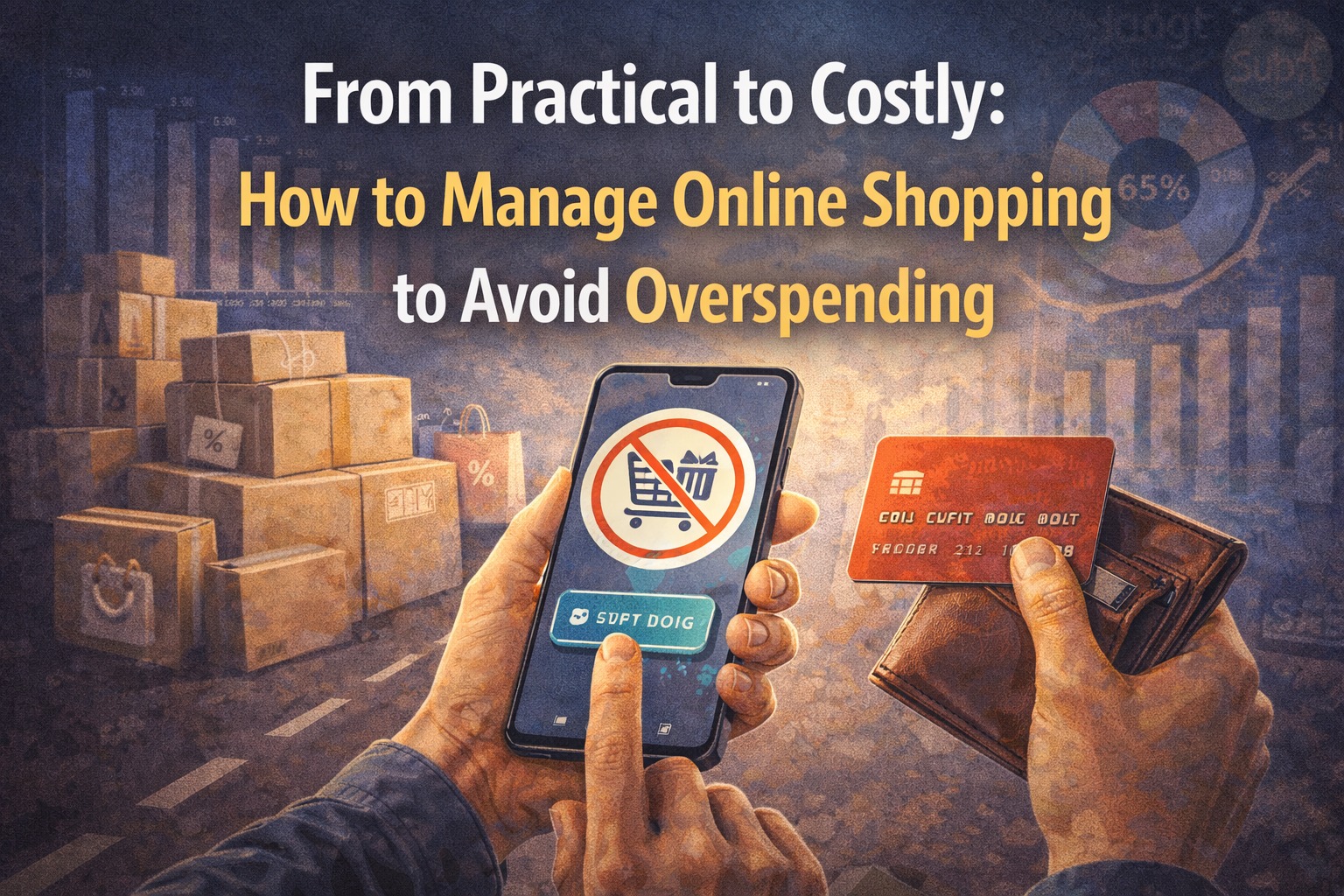
Online shopping is widely known as a practical solution in today’s fast-paced lifestyle. With just a smartphone and an internet connection, various needs can be fulfilled without leaving home. However, if not managed wisely, this habit can turn convenience into excessive spending. Therefore, it is important to understand how to manage online shopping so it remains efficient and financially friendly.
THE TRANSFORMATION OF ONLINE SHOPPING IN THE DIGITAL ERA
The development of e-commerce platforms and digital payment services has changed consumption patterns. Shopping no longer requires significant time and effort. With just a few clicks, items are delivered directly to the desired address. While this convenience makes shopping feel effortless, it also increases the risk of overspending.
Without proper planning, online shopping can become an impulsive habit that is difficult to control.
WHY ONLINE SHOPPING OFTEN LEADS TO OVESPENDING
There are various factors that make online shopping prone to overspending. Constant promotions, large discounts, and app notifications encourage consumers to buy more than they actually need. In addition, the absence of physical cash transactions makes spending feel less tangible.
As a result, many people are unaware that they have exceeded their monthly budget.
THE FINANCIAL IMPACT OF EXCESSIVE ONLINE SHOPPING
Overspending due to online shopping can have a direct impact on financial stability. Savings decrease, emergency funds become difficult to build, and the risk of consumer debt increases. In the long run, this habit can cause financial stress and hinder the achievement of financial goals.
Poor financial management can also affect overall quality of life.
STRATEGIES TO MANAGE ONLINE SHOPPING MORE WISELY
To keep online shopping practical without becoming wasteful, consistent strategies are needed. Some steps that can be applied include:
- Creating a specific monthly budget for online shopping
- Making a shopping list before opening shopping applications
- Avoiding shopping when emotions are unstable
- Limiting exposure to promotions and flash sales
- Reviewing shopping history regularly
With these strategies, shopping decisions become more controlled and rational.
BUILDING HEALTHY SHOPPING HABITS
Managing online shopping is not about completely restricting oneself, but about building healthy habits. Financial awareness and discipline are key to maintaining balance. When shopping is aligned with actual needs, the benefits of technology can be enjoyed without sacrificing financial stability.
Small habits practiced consistently can produce significant long-term results.
CLOSING: CONVENIENCE IS FINE, BUT AVOID WASTE
Online shopping indeed offers convenience, but without proper management, it can turn into excessive spending. Through planning, self-control, and financial awareness, online shopping can remain an efficient and beneficial activity. Convenience is welcome—but stay mindful to keep your finances secure.
About the Author
Gusti Ayu Tita
Author — STEKOM University
An active author focused on academic issues, educational technology, and human resource development in the campus environment.