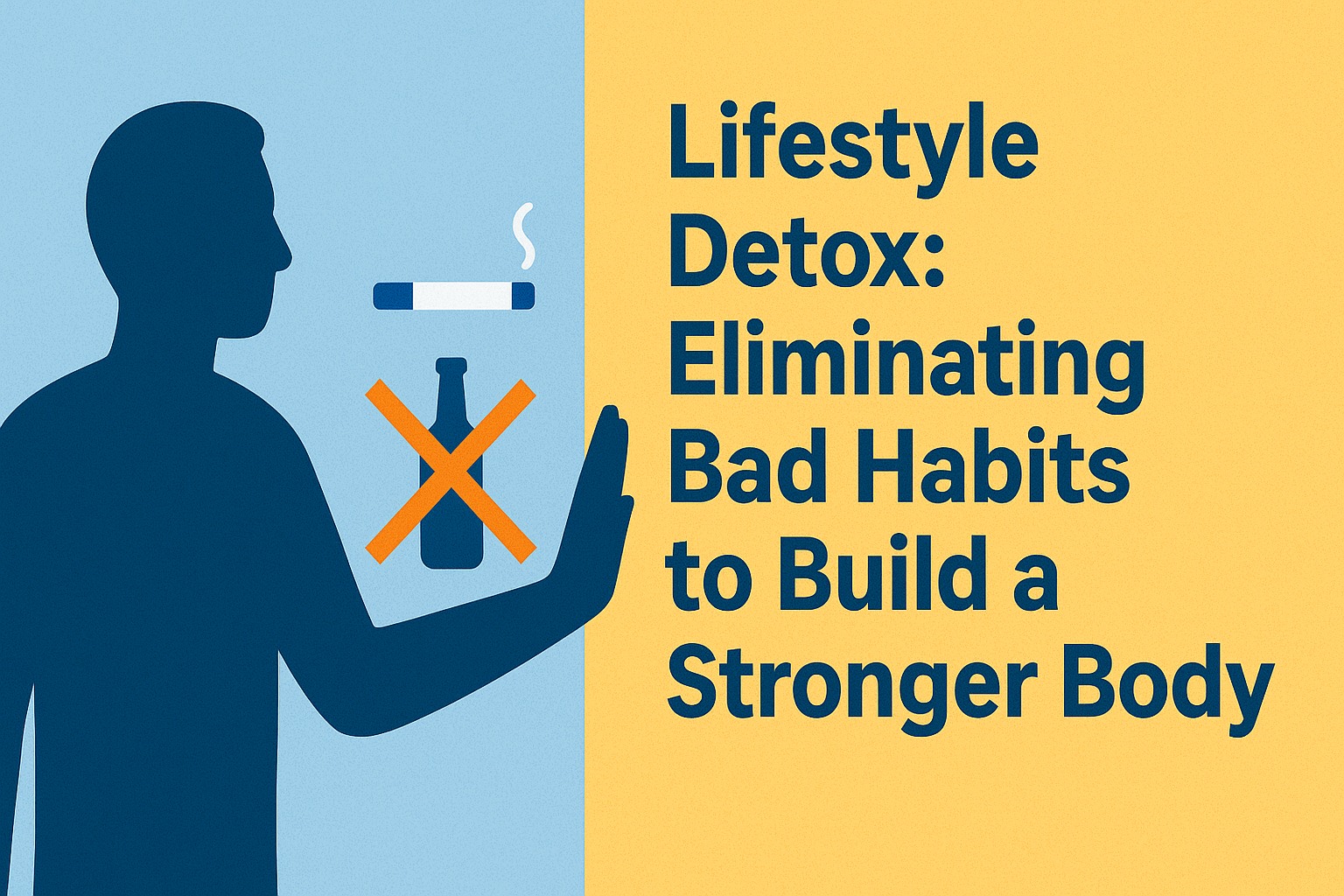
In recent years, the term “lifestyle detox” has become increasingly popular and widely understood as a process of cleansing oneself from harmful habits that quietly damage health.
Lifestyle detox does not only refer to specific foods or drinks, but also includes mindset, daily behaviors, and the way we manage our energy. A strong and resilient body is built from small habits practiced consistently. For this reason, lifestyle detox becomes a strategic step to break the cycle of negative habits and replace them with healthier, more adaptive patterns.
However, many people fail at detox simply because they focus on instant results. In reality, true detox is a gradual process that requires a holistic shift in daily routines. This article discusses how to effectively eliminate bad habits, replace them with healthier lifestyle patterns, and develop long-term physical resilience.
UNDERSTANDING THE TRUE MEANING OF LIFESTYLE DETOX
Lifestyle detox is the process of clearing daily routines from activities, mindsets, and habits that disrupt both physical and mental health. It is not merely about reducing sugar intake or increasing vegetable consumption—it is a complete transformation in the way one lives. In modern times, many unhealthy habits arise unconsciously, such as lack of sleep, excessive information consumption, and passive activities that keep the body from functioning properly.
The detox process requires a deep evaluation of one’s lifestyle. This evaluation includes what goes into the body, how the body is used, and how thoughts influence physical health. By understanding the foundational elements of detox, a person can identify the root issues and rebuild their lifestyle from the most essential point.
BAD HABITS THAT MUST BE REMOVED FROM DAILY ROUTINES
Before making improvements, one must recognize the bad habits that silently weaken the body. These habits may seem trivial, but their impact can be significant. Many people believe they are already living a fairly healthy lifestyle, yet still engage in daily activities that are harmful.
Here are several habits that should be immediately eliminated from daily routines:
1. Chronic lack of sleep
Irregular sleep patterns weaken the immune system and accelerate fatigue. The body needs consistent time for cell regeneration, making poor sleep one of the most harmful habits.
2. Excessive sugar and ultra-processed food consumption
These foods slowly increase the risk of inflammation and fat buildup. Such a diet destabilizes energy levels and affects long-term physical resilience.
3. Lack of physical activity
Sitting for long hours significantly harms metabolism and heart health. Light but consistent activity is more beneficial than intense exercise done only occasionally.
4. Excessive digital stress exposure
Endless scrolling disrupts focus, stress hormones, and sleep quality. The body becomes easily exhausted because the brain never truly rests.
DETOX STRATEGIES TO IMPROVE LIFESTYLE
After recognizing harmful habits, the next step is developing realistic, applicable detox strategies. These strategies should be implemented gradually—without forcing—and adjusted to individual physical conditions. Small but consistent changes have a significant impact on physical and mental resilience.
Before implementing strategic steps, it is important to understand that lifestyle detox requires long-term commitment. There is no quick method that instantly changes a person's quality of life. This transformation requires strong intention, discipline, and flexibility in adjusting to new routines. The more consistently detox steps are applied, the stronger and healthier the body becomes.
Here are practical detox strategies:
1. Prioritize sleep regulation
Adequate sleep boosts metabolism, strengthens the immune system, and reduces stress. Lifestyle detox should begin with improving sleep quality as the foundation of overall health.
2. Reduce processed foods gradually
Detox does not mean banning certain foods but reducing intake that provides little benefit. Increasing fresh foods such as vegetables, fruits, and natural proteins helps the body function optimally.
3. Increase daily physical activity
This doesn’t require intense exercise—walking 20–30 minutes a day is enough to activate the body. This simple habit improves circulation and maintains stamina.
4. Limit screen time at night
This helps the brain prepare for sleep and reduces overstimulation that triggers stress. Device-free time allows the body to enter full recovery mode.
5. Provide space for mindful activities
Meditation, journaling, or simple breathing exercises help reset energy and restore mental clarity, allowing the body to function more effectively.
BUILDING NEW HABITS FOR A STRONGER BODY
After eliminating bad habits and applying detox strategies, the next step is to strengthen good habits so the body becomes more resilient. Consistency is key in this process. A healthy body is formed through daily small actions, not occasional big decisions.
To ensure new habits last long, start with easy, manageable routines. When small habits are consistently practiced, both body and mind become more prepared for greater changes. This adaptive process becomes an important foundation for maintaining physical resilience amid daily pressures.
Here are habits that can be developed gradually:
1. Drink enough water every day
Good hydration improves metabolism, enhances focus, and keeps the body energized. Water supports the body’s natural detox process.
2. Regulate meal portions more wisely
A healthy portion does not always mean small—it means balanced and suitable for the body’s needs. This habit stabilizes energy throughout the day.
3. Do light stretching between activities
Stretching relaxes muscles and prevents pain caused by prolonged passive activity. This makes the body more prepared for movement and productivity.
4. Manage stress in healthy ways
Redirecting stress through positive activities such as hobbies, light exercise, or short breaks helps the body remain in optimal condition.
CONCLUSION
Lifestyle detox is not an instant process—it is a journey to improve life quality from its roots. By eliminating harmful habits, applying effective detox strategies, and building new lifestyle patterns, a person can achieve a stronger body, more stable energy, and better long-term health. Awareness and consistency are the core foundations of this process. The more disciplined someone is in applying lifestyle detox, the more resilient the body becomes.
About the Author
Gusti Ayu Tita
Author — STEKOM University
An active author focused on academic issues, educational technology, and human resource development in the campus environment.