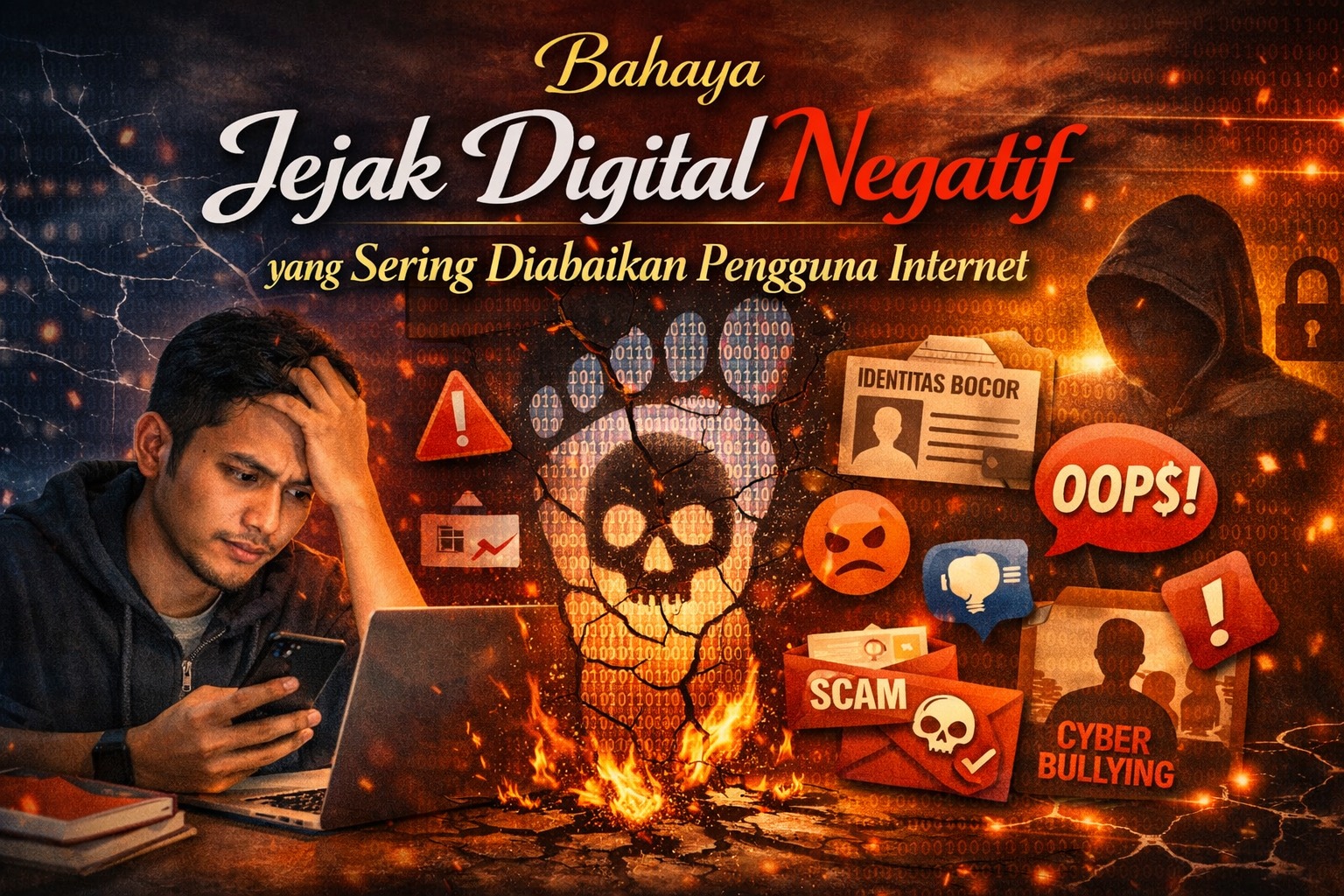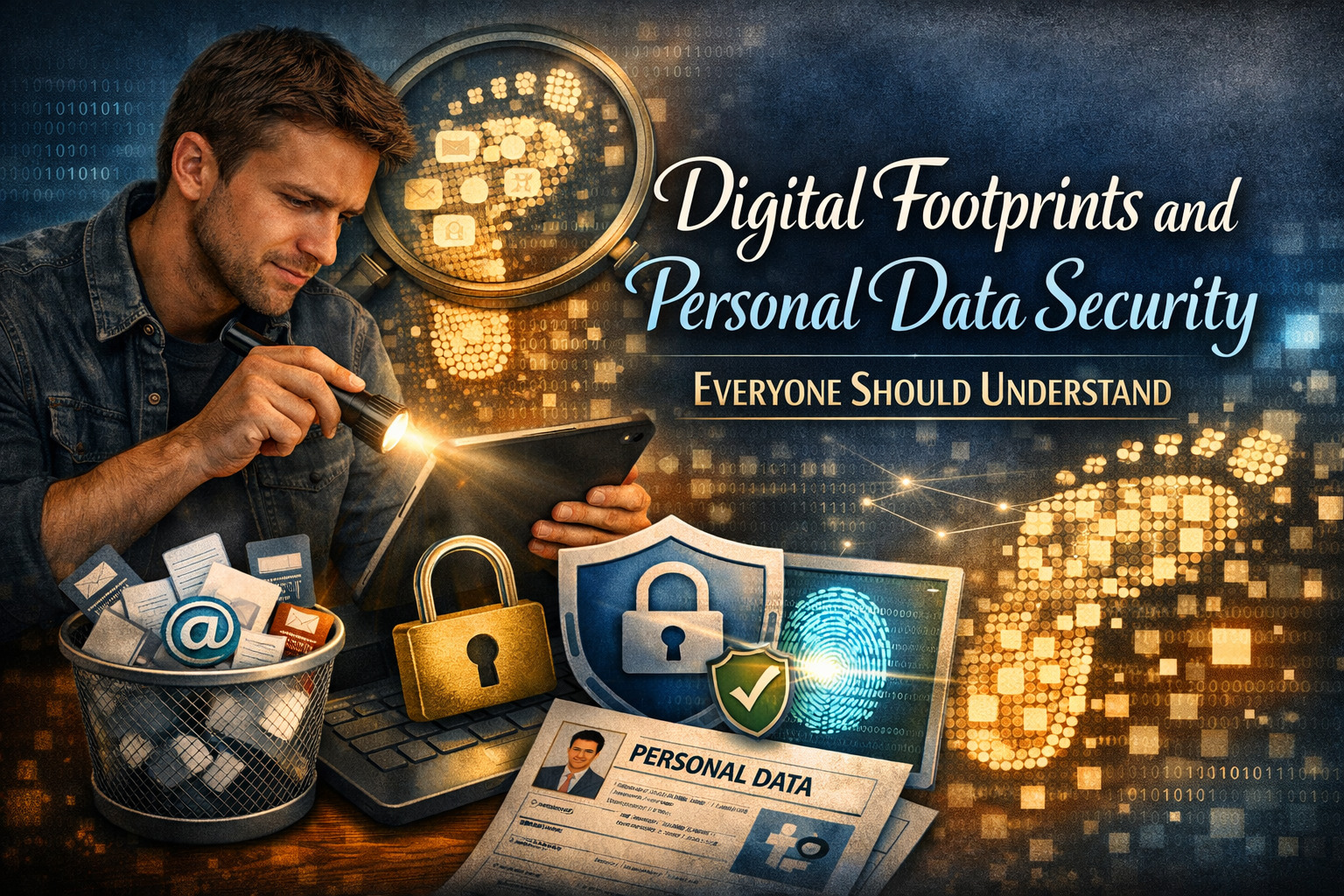
In today's digital era, almost every online activity leaves a trail known as a digital footprint. Whether people browse websites, use social media, shop online, or communicate through apps, they continuously generate data that can be collected and analyzed. Understanding how digital footprints work is essential for protecting personal data security and maintaining privacy in an increasingly connected world.
As cyber threats continue to grow, individuals must become more aware of how their information is stored, shared, and used online. Learning the basics of online privacy, cybersecurity, and data protection can help reduce risks and prevent unwanted exposure of sensitive information.
WHAT ARE DIGITAL FOOTPRINTS?
A digital footprint refers to the collection of information created through a person's online activities. Every website visited, social media post shared, comment written, and online purchase made contributes to this digital record. Digital footprints can be categorized into active footprints, which are intentionally shared information, and passive footprints, which are collected automatically through browsing behavior.
Many people underestimate the amount of information available about them online. Search engines, advertisers, websites, and even cybercriminals can use digital footprints to learn about personal interests, habits, and behaviors. Understanding these traces is the first step toward better personal data protection.
WHY PERSONAL DATA SECURITY MATTERS
Personal data security is important because online information often includes sensitive details such as names, addresses, phone numbers, financial information, and login credentials. If this data falls into the wrong hands, it can lead to identity theft, financial loss, or privacy violations.
Strong security practices help protect individuals from cyberattacks and unauthorized access. By securing personal information, users can maintain control over their digital identities and reduce the likelihood of becoming victims of online fraud or data breaches.
COMMON SOURCES OF DIGITAL FOOTPRINTS
Social media platforms are among the largest contributors to digital footprints. Every post, photo, video, and interaction can become part of a person's online presence. Even deleted content may remain accessible through screenshots, archives, or third-party storage systems.
Other common sources include online shopping websites, mobile applications, search engines, cloud storage services, and email accounts. Many of these platforms collect user data to improve services, personalize content, and deliver targeted advertising. Understanding where information is being collected helps users make smarter privacy decisions.
RISKS ASSOCIATED WITH LARGE DIGITAL FOOTPRINTS
A large and unmanaged digital footprint can create several risks. Cybercriminals often gather publicly available information to conduct phishing attacks, impersonation scams, or account takeover attempts. The more information available online, the easier it becomes for attackers to target individuals.
Additionally, employers, educational institutions, and business partners may review online activity when evaluating someone’s reputation. Inappropriate content, controversial statements, or unprofessional behavior shared online can negatively impact future opportunities. Maintaining a positive digital footprint is therefore essential for both security and personal branding.
HOW TO PROTECT YOUR PERSONAL DATA ONLINE
One of the most effective ways to improve online security is by using strong and unique passwords for different accounts. Password managers can help users create and store complex passwords safely. Enabling multi-factor authentication (MFA) adds another layer of protection against unauthorized access.
Users should also review privacy settings regularly, limit the amount of personal information shared publicly, and be cautious when clicking suspicious links or downloading unknown files. These simple habits significantly reduce exposure to cyber threats and improve overall cybersecurity.
THE ROLE OF SOCIAL MEDIA IN DATA PRIVACY
Social media platforms encourage users to share personal experiences, photos, and opinions. While this can enhance communication and networking, it also increases the amount of information available to the public. Oversharing personal details can expose users to privacy risks and social engineering attacks.
Reviewing privacy controls, limiting audience access, and carefully considering what to post can help reduce these risks. Users should remember that once content is published online, it can be difficult to completely remove it from the internet.
BEST PRACTICES FOR MANAGING DIGITAL FOOTPRINTS
Regularly searching for your name online can help identify publicly available information that may need attention. Removing outdated profiles, deleting unnecessary accounts, and updating privacy settings are useful strategies for managing digital footprints effectively.
It is also important to think carefully before posting content online. Asking whether a post could affect future employment, relationships, or reputation can prevent long-term consequences. Developing responsible online habits contributes to a safer and more professional digital presence.
THE FUTURE OF DIGITAL PRIVACY AND SECURITY
As technology continues to evolve, concerns about data protection, artificial intelligence, and online tracking are expected to increase. Governments and organizations around the world are introducing stronger privacy regulations to help protect user information and improve transparency.
However, personal responsibility remains essential. Individuals who understand digital footprints and practice good security habits will be better prepared to navigate the digital world safely. Staying informed about emerging threats and privacy trends is key to protecting personal information in the years ahead.
CONCLUSION
Understanding digital footprints and personal data security is becoming increasingly important in today's connected world. Every online action contributes to a digital identity that can influence privacy, reputation, and future opportunities. By practicing strong cybersecurity, improving online privacy, and actively managing digital footprints, individuals can better protect themselves from potential risks and maintain greater control over their personal information.
About the Author
Gusti Ayu Tita
Author — STEKOM University
An active author focused on academic issues, educational technology, and human resource development in the campus environment.