
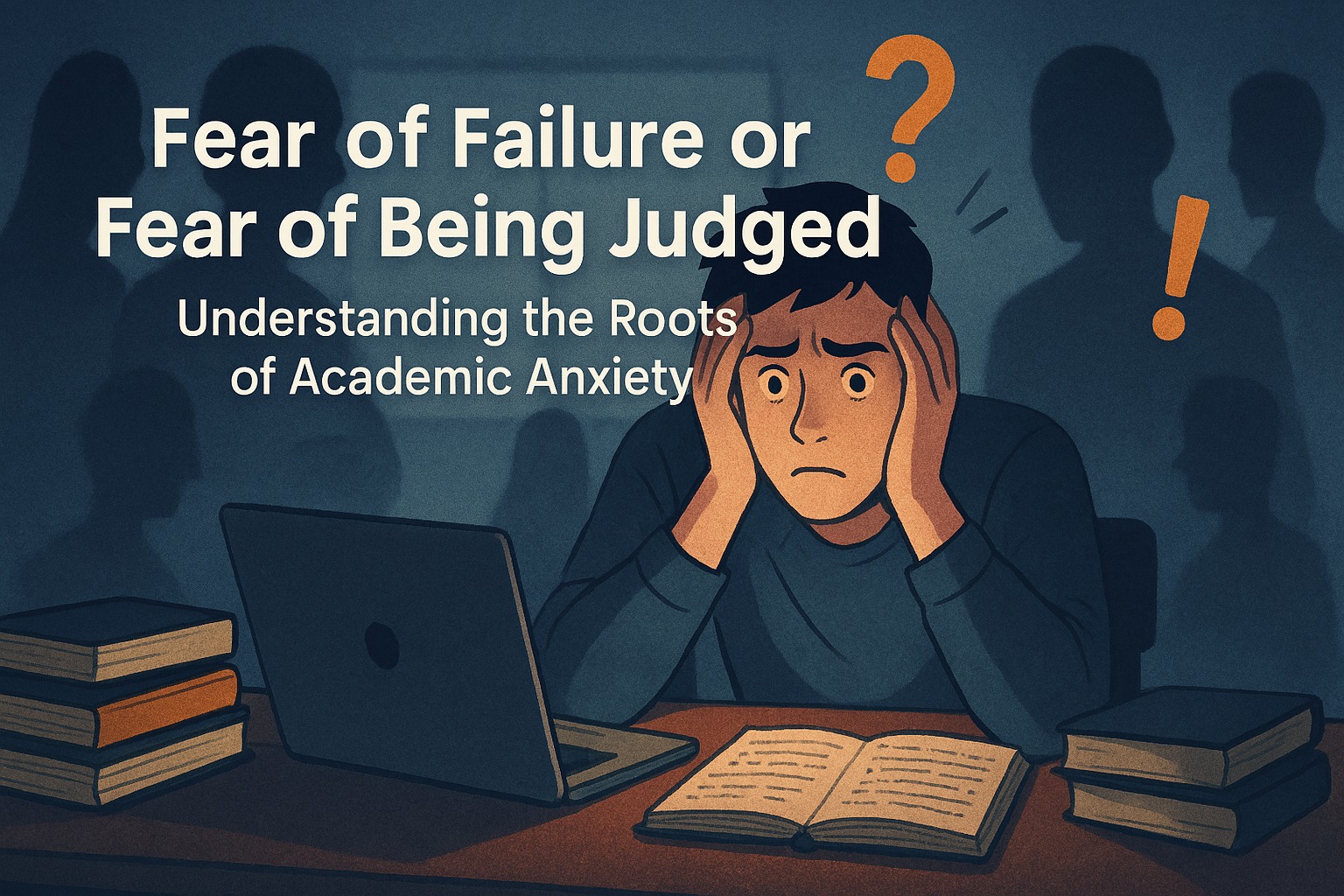
Academic life, with its constant deadlines, presentations, and exams, often creates a pressure cooker environment for students. Many students experience anxiety, but this anxiety is not always just about the workload. A significant part of academic stress stems from internal fears—fear of failure and fear of being judged. These fears can prevent students from participating fully in learning experiences, exploring new opportunities, or even trying at all. Understanding these roots is crucial for addressing the mental and emotional challenges that students face daily in the campus environment.
THE FEAR OF FAILURE AND ITS IMPACT
Fear of failure is a common but often underestimated source of stress among students. This fear is not merely about failing an exam or missing a deadline; it is deeply tied to personal identity and self-worth. Students may internalize the belief that failure defines them, which creates a paralyzing effect on motivation and action. This mindset can lead to over-preparation, procrastination, and avoidance behaviors, where students delay tasks to avoid the possibility of not meeting their own or others’ expectations. Over time, fear of failure can erode confidence, reduce resilience, and negatively affect academic performance and mental health.
THE FEAR OF BEING JUDGED IN ACADEMIC SETTINGS
Alongside fear of failure, fear of judgment is another powerful driver of academic anxiety. Students often worry about how peers, professors, and family perceive their performance. The fear of being judged harshly can make students hesitant to share ideas in class, ask questions, or seek help when needed. Social comparison, amplified by social media and competitive academic cultures, intensifies this fear. This type of anxiety is especially prevalent in group projects, presentations, and public speaking situations. When fear of judgment dominates, students may prioritize avoiding criticism over pursuing learning, which limits personal growth and creative thinking.
PERFECIONISM AS A CONSEQUENCE OF ACADEMIC PRESSURE
Perfectionism frequently emerges as a coping mechanism for both fear of failure and fear of judgment. Students with perfectionist tendencies set unrealistically high standards for themselves and judge any imperfection as a personal flaw. While striving for excellence can be motivating, perfectionism often leads to chronic stress, self-criticism, and burnout. In the academic context, this can manifest as overanalyzing assignments, excessive revision, or reluctance to submit work without absolute certainty of success. Understanding the link between perfectionism and anxiety can help students recognize destructive patterns and adopt healthier approaches to learning.
THE ROLE OF SOCIAL MEDIA IN ACADEMIC ANXIETY
Social media has amplified the fear of being judged and fear of failure among students. Constant exposure to peers’ achievements, curated success stories, and academic competitions online creates unrealistic benchmarks for success. Students may feel pressure to “keep up” or fear falling behind, leading to heightened stress and self-doubt. Comparison through social media often reinforces perfectionist tendencies, where mistakes are magnified, and accomplishments are minimized. Recognizing this influence is essential for developing a balanced perspective and maintaining mental well-being in a digitally connected campus life.
THE INFLUENCE OF FAMILY EXPECTATIONS
Family expectations play a significant role in shaping students’ academic anxiety. Parents’ high standards, cultural values, or constant reminders about achievement can create internalized pressure to perform perfectly. While family support is crucial, excessive expectation can inadvertently make students fear failure or judgment more acutely. Students may feel torn between pursuing their passions and meeting their family’s ideals, which can contribute to chronic stress, indecision, and self-criticism. Understanding this dynamic can help students set healthy boundaries while still valuing family guidance.
BUILDING EMOTIONAL RESILIENCE FOR ACADEMIC SUCCESS
Developing emotional resilience is key to managing fear of failure and fear of judgment. Resilience allows students to bounce back from setbacks, view mistakes as opportunities for growth, and maintain a sense of self-worth independent of grades or external approval. Strategies such as mindfulness, journaling, time management, and cultivating supportive peer networks can strengthen emotional resilience. By practicing these skills, students can approach challenges with confidence, focus on learning rather than judgment, and foster a healthier, more balanced academic journey.
STRATEGIES TO OVERCOME ACADEMIC ANXIETY
Addressing academic anxiety requires a combination of self-awareness, mindset shifts, and practical strategies. Students can benefit from reframing failure as a learning opportunity rather than a reflection of self-worth. Practicing self-compassion, setting realistic goals, and breaking tasks into manageable steps can reduce overwhelm. Seeking feedback and support from mentors, peers, or counseling services helps normalize the challenges of academic life. Mindfulness and stress management techniques also play a critical role in maintaining emotional balance. Over time, these strategies empower students to engage in learning with courage and curiosity instead of fear.
About the Author
Gusti Ayu Tita
Author — STEKOM University
An active author focused on academic issues, educational technology, and human resource development in the campus environment.



