
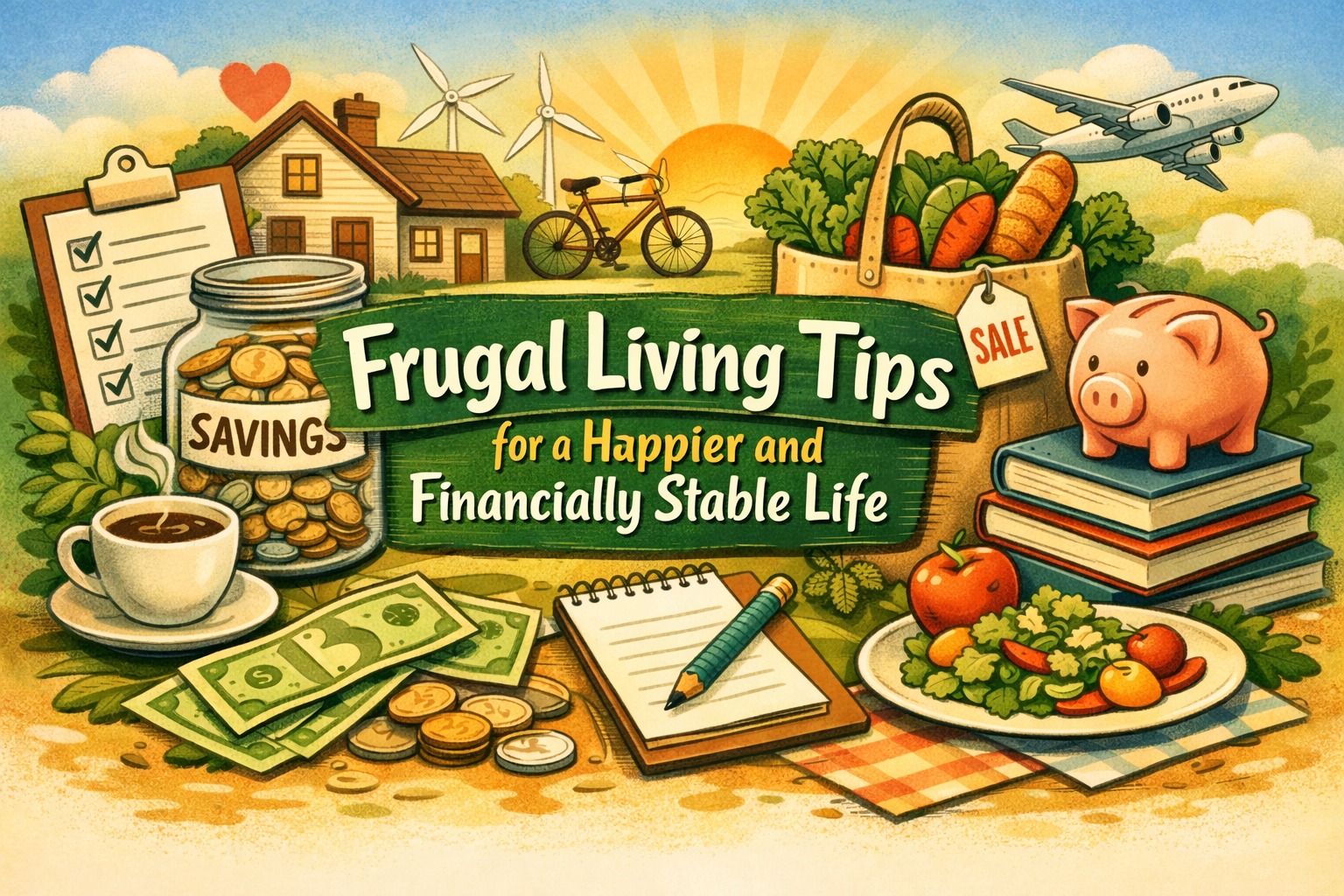
Living a fulfilling life does not always require spending large amounts of money. Many people are now embracing the concept of frugal living to achieve better financial stability while still enjoying meaningful experiences. Frugal living is not about being cheap or limiting happiness, but about making smarter choices with money and prioritizing what truly matters.
By adopting practical habits and a mindful approach to spending, anyone can create a balanced lifestyle that supports both financial goals and personal happiness.
UNDERSTANDING THE MEANING OF FRUGAL LIVING
Frugal living is a lifestyle focused on using money wisely and avoiding unnecessary expenses. It encourages people to spend intentionally, save consistently, and appreciate value over luxury. Unlike extreme budgeting, frugal living allows individuals to enjoy life while maintaining financial discipline.
People who practice frugal living often focus on long-term benefits rather than temporary satisfaction. They understand the importance of financial security, emergency savings, and living within their means.
CREATE A SIMPLE AND REALISTIC BUDGET
One of the first steps toward frugal living is creating a realistic monthly budget. A good budget helps track income, expenses, and savings goals. Start by separating essential expenses such as food, housing, transportation, and utilities from non-essential spending.
Using budgeting apps or simple spreadsheets can make money management easier. When people understand where their money goes each month, they can identify areas where spending can be reduced without sacrificing comfort.
PRIORITIZE NEEDS OVER WANTS
A key principle of frugal living is learning the difference between needs and wants. Needs are necessary for daily life, while wants are often based on impulse or temporary desires.
Before making a purchase, ask whether the item truly adds value to your life. This habit can prevent unnecessary spending and help build stronger financial habits over time. Delaying purchases for a few days can also reduce impulsive buying decisions.
SAVE MONEY THROUGH SMART DAILY HABITS
Small daily habits can lead to significant savings in the long run. Cooking meals at home, bringing reusable water bottles, and using public transportation are simple examples of cost-effective living.
Shopping during discounts, buying quality items that last longer, and comparing prices before purchasing can also improve financial efficiency. In addition, reducing energy consumption at home helps lower monthly utility bills while supporting environmental sustainability.
FOCUS ON EXPERIENCES INSTEAD OF MATERIAL POSSESSIONS
Many studies show that meaningful experiences often bring more happiness than material goods. Spending time with family, enjoying hobbies, traveling wisely, or learning new skills can create lasting memories without requiring excessive spending.
Frugal living encourages people to appreciate simple joys and build a lifestyle based on purpose rather than consumerism. This mindset can reduce financial stress and increase overall life satisfaction.
BUILD LONG-TERM FINANCIAL SECURITY
Frugal living is highly connected to long-term financial stability. Consistent saving habits can help build emergency funds, reduce debt, and support future investments. Even small savings made regularly can grow significantly over time.
Financial stability also provides greater freedom and peace of mind. People who manage money wisely are often better prepared for unexpected situations and future opportunities.
In the end, frugal living is about balance, mindfulness, and intentional choices. By practicing simple financial habits and focusing on meaningful priorities, anyone can create a happier and more financially secure life.
About the Author
Gusti Ayu Tita
Author — STEKOM University
An active author focused on academic issues, educational technology, and human resource development in the campus environment.



