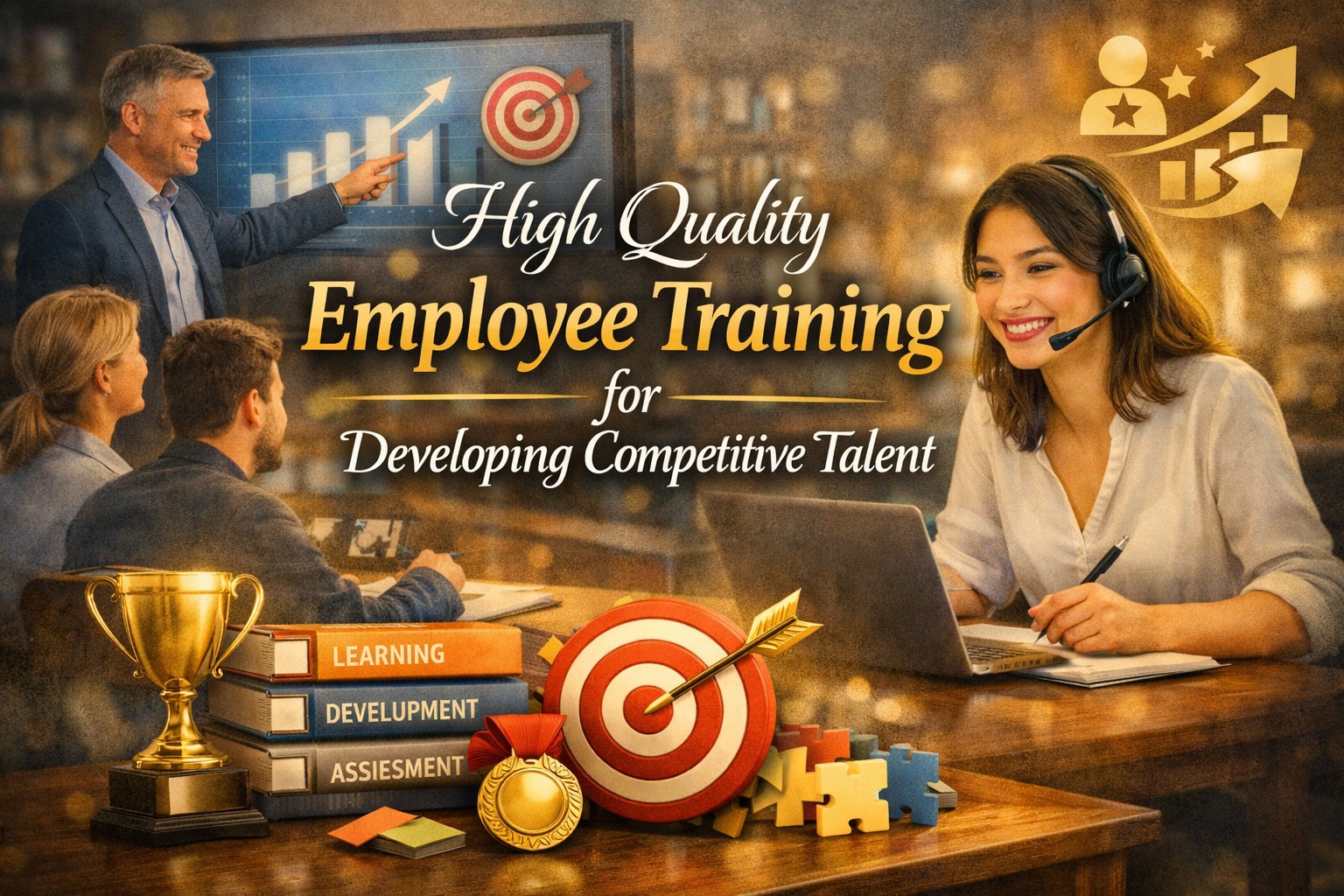
In today's rapidly evolving business environment, organizations must continuously invest in high quality employee training to remain competitive. Employees who receive proper training are better equipped to handle workplace challenges, adapt to new technologies, and contribute effectively to company growth. Businesses that prioritize workforce development, employee skill enhancement, and professional training programs often experience higher productivity and stronger team performance.
Developing competitive talent is no longer optional. Companies that focus on continuous learning create a workforce capable of meeting changing market demands while maintaining high standards of performance. A well-structured training program helps employees gain confidence, improve efficiency, and achieve long-term career success.
THE IMPORTANCE OF HIGH QUALITY EMPLOYEE TRAINING
High quality employee training plays a vital role in helping organizations build a skilled and capable workforce. Employees who receive proper guidance and learning opportunities can perform their tasks more effectively and make better decisions in their daily responsibilities. Training also helps reduce mistakes, improve work quality, and increase overall productivity.
In addition, effective training programs create a culture of continuous improvement within the workplace. When employees feel supported in their professional growth, they become more motivated and engaged. This positive environment contributes to stronger teamwork, better communication, and higher employee retention rates.
KEY ELEMENTS OF AN EFFECTIVE TRAINING PROGRAM
A successful training program begins with clearly defined objectives. Companies should identify the specific skills and knowledge employees need to perform their jobs efficiently. Establishing measurable goals allows organizations to evaluate the effectiveness of their training initiatives and make necessary improvements.
Another important element is providing relevant and practical learning materials. Employees learn more effectively when training content reflects real workplace situations. Combining employee development, hands-on practice, workshops, mentoring, and digital learning tools can significantly improve knowledge retention and skill application.
HOW TRAINING DEVELOPS COMPETITIVE TALENT
Competitive talent is developed through consistent learning and skill enhancement. Training helps employees stay updated with industry trends, technological advancements, and changing customer expectations. As a result, they become more adaptable and capable of handling complex challenges.
Furthermore, training encourages innovation and problem-solving abilities. Employees who continuously expand their knowledge are more likely to contribute creative ideas and efficient solutions. This not only benefits individual career growth but also strengthens the organization's overall competitiveness in the market.
BENEFITS OF INVESTING IN EMPLOYEE DEVELOPMENT
Investing in employee development provides long-term benefits for both employees and employers. Well-trained employees tend to work more efficiently, resulting in improved productivity and higher-quality outcomes. They are also more confident when handling responsibilities, leading to better customer satisfaction and business performance.
Organizations that invest in training often experience lower turnover rates. Employees are more likely to remain loyal to companies that support their professional growth. This reduces recruitment costs while preserving valuable organizational knowledge and expertise.
STRATEGIES FOR IMPLEMENTING SUCCESSFUL TRAINING PROGRAMS
To maximize results, organizations should conduct regular assessments to identify skill gaps within their workforce. Understanding employee needs allows companies to design targeted training programs that address specific challenges and opportunities. Personalized learning paths can further improve engagement and effectiveness.
It is also important to evaluate training outcomes continuously. Collecting feedback, monitoring performance improvements, and measuring business impact help ensure that training investments deliver meaningful results. Continuous refinement keeps training programs relevant and aligned with organizational goals.
CONCLUSION
High quality employee training is one of the most effective strategies for developing competitive talent in today's business landscape. Through structured learning opportunities, employees gain valuable skills, improve performance, and become more adaptable to change. Organizations that prioritize workforce development, employee development, professional training programs, and employee skill enhancement are better positioned to achieve sustainable growth and long-term success. By investing in continuous learning, companies can build a highly skilled workforce capable of thriving in an increasingly competitive market.
About the Author
Gusti Ayu Tita P
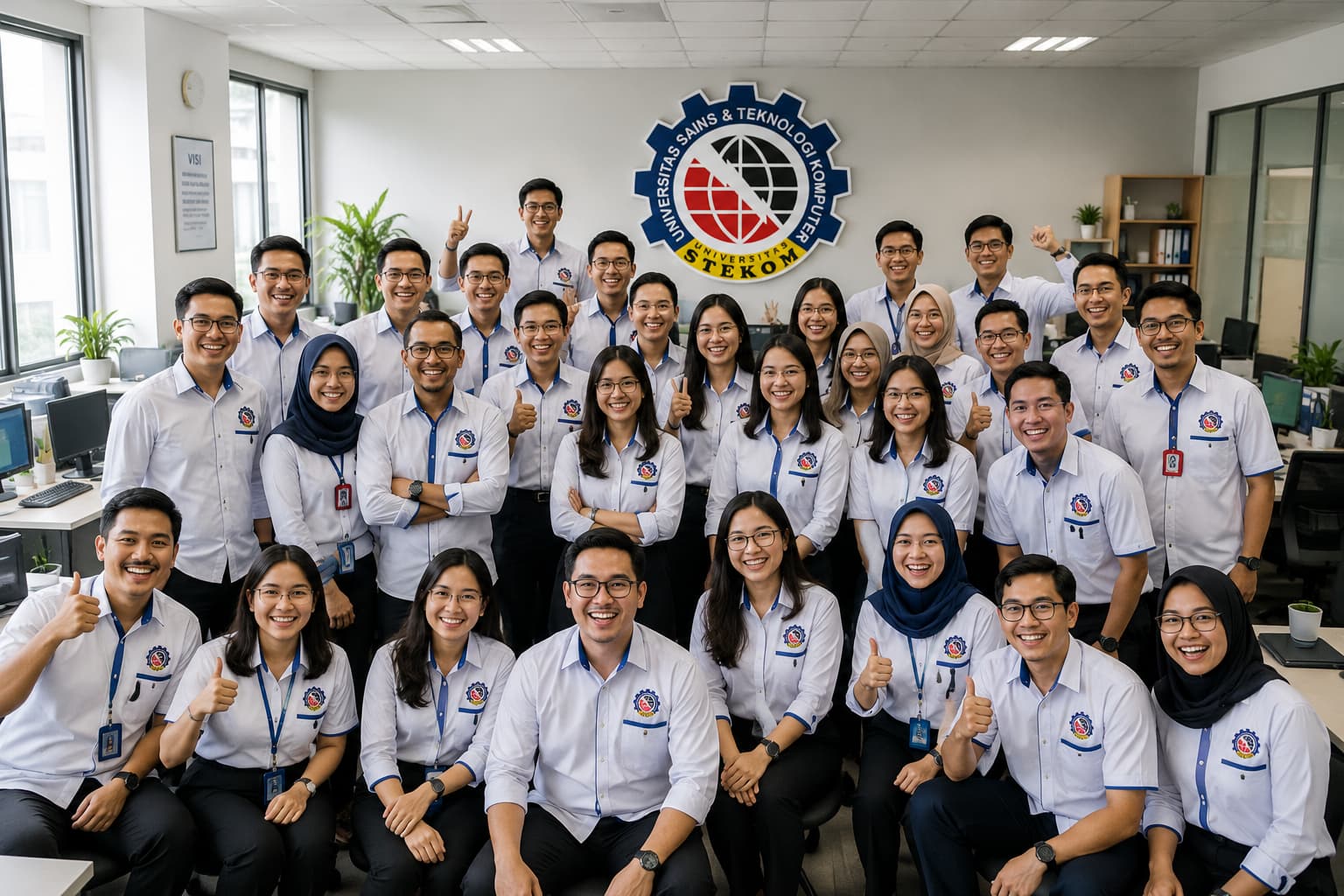
Author — STEKOM University
An active author focused on academic issues, educational technology, and human resource development in the campus environment.