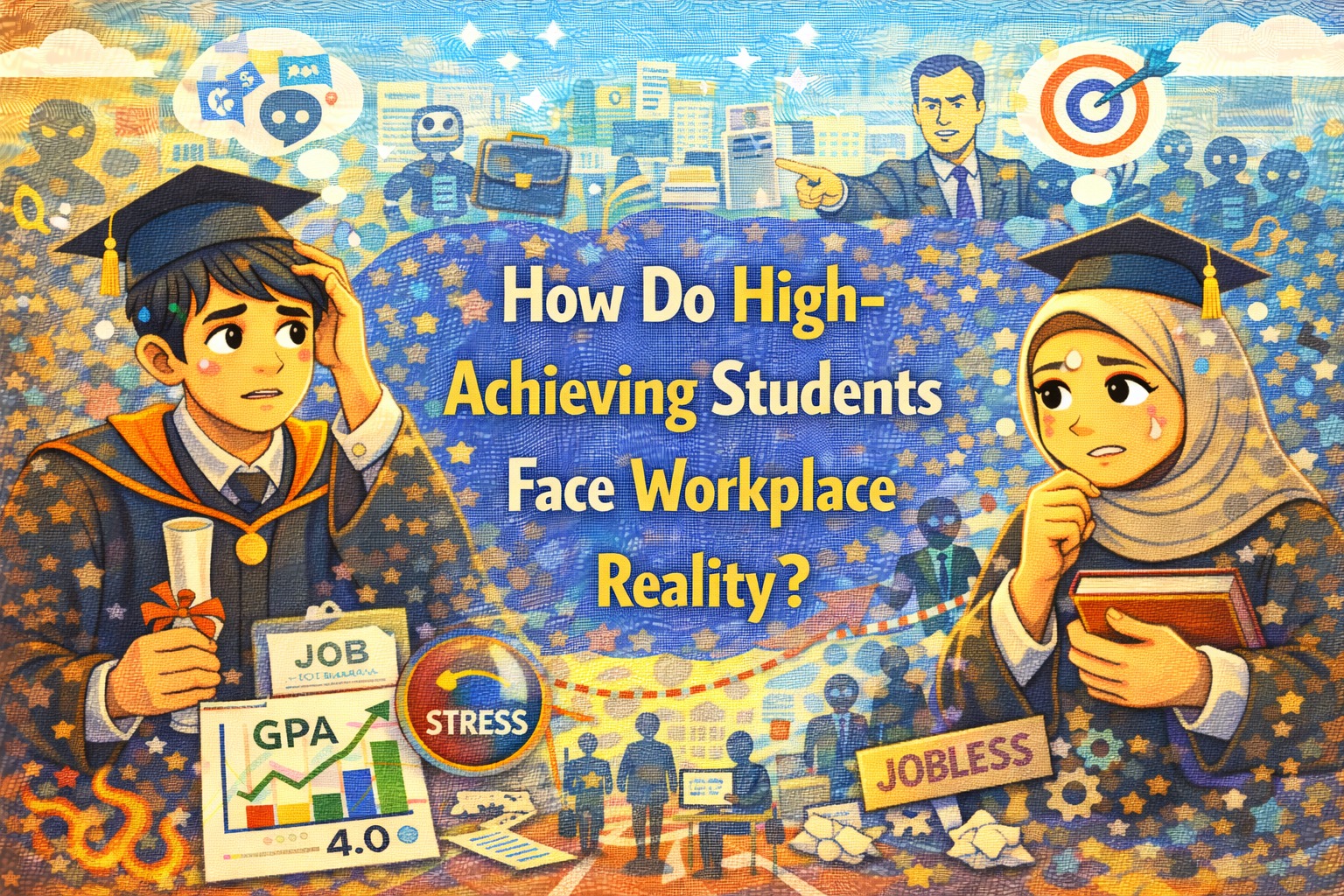
Graduating with high academic achievements often brings pride and recognition. However, entering the professional world can be a surprising reality check for high-achieving students. Despite excelling in exams and projects, many face challenges adapting to workplace expectations and dynamics. Understanding these challenges can help students better prepare for a smoother transition from campus to career.
THE GAP BETWEEN ACADEMIA AND WORKPLACE
Academic success primarily measures knowledge, test performance, and structured project completion. In contrast, the workplace demands practical problem-solving, collaboration, and adaptability. High-achieving students may find that their straight-A performance does not always translate into immediate workplace effectiveness, leading to unexpected stress or self-doubt.
THE ROLE OF SOFT SKILLS
Soft skills such as communication, teamwork, and emotional intelligence are crucial in professional settings. High-achieving students who focused mainly on grades may need to actively develop these abilities. Being able to listen, negotiate, and collaborate effectively often determines career progress more than academic records alone.
GAINING REAL-WORLD EXPERIENCE
Practical experience through internships, part-time jobs, or volunteer projects exposes students to workplace culture and expectations. These experiences teach students time management, professional etiquette, and problem-solving under pressure. They also provide opportunities to apply theoretical knowledge in practical scenarios.
STRATEGIES FOR ADAPTING TO WORKPLACE REALITY
To better face the challenges of professional life, students should:
* Seek internships or cooperative education programs
* Develop networking skills and seek mentorship
* Participate in team-based projects or extracurricular activities
* Practice adaptability and resilience in diverse situations
* Continuously update technical and soft skills relevant to their field
CONCLUSION
High-achieving students can succeed in the workplace, but it requires more than academic excellence. By combining knowledge with soft skills, practical experience, and adaptability, students can bridge the gap between campus success and career readiness.
About the Author
Gusti Ayu Tita P
Author — STEKOM University
An active author focused on academic issues, educational technology, and human resource development in the campus environment.