
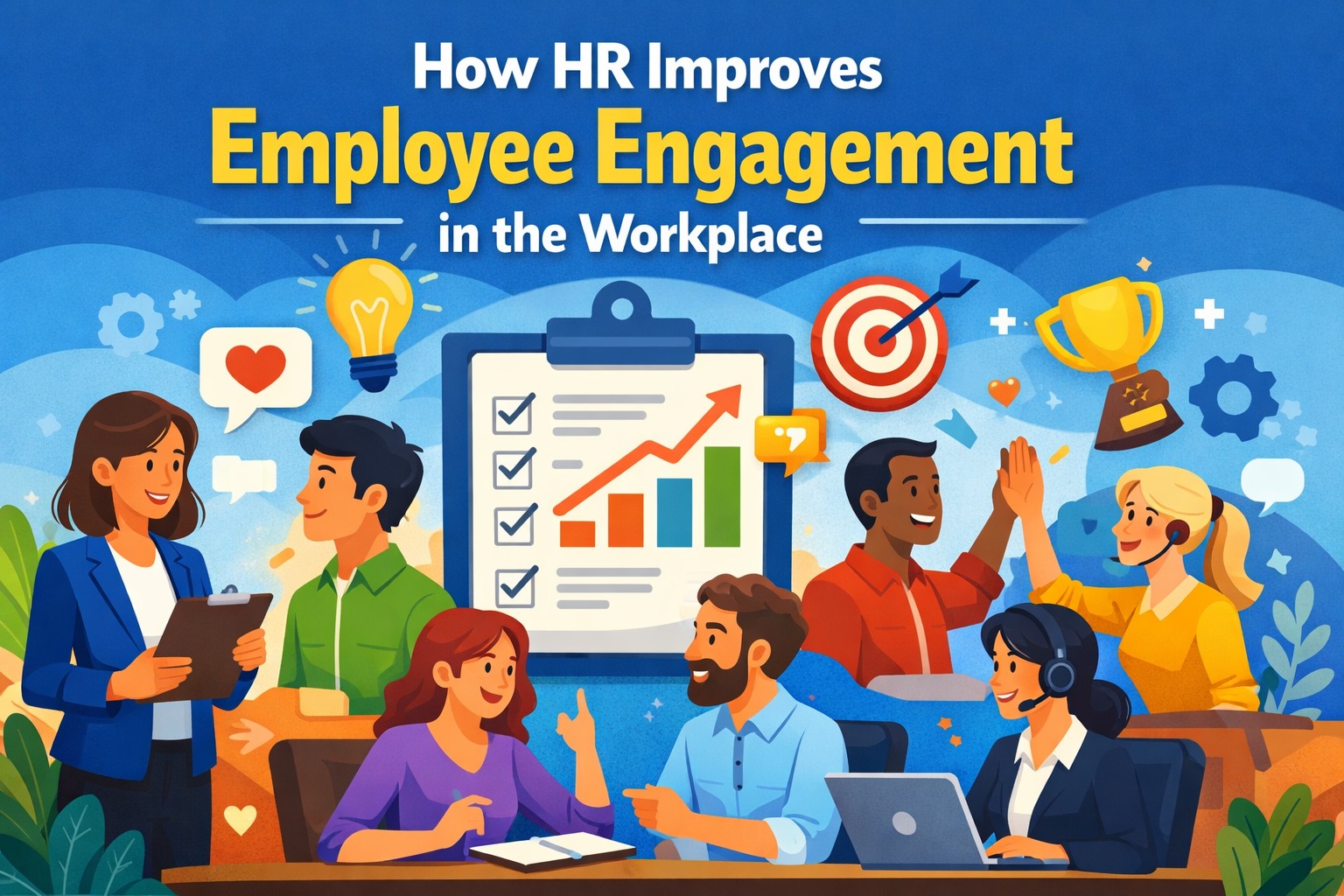
Employee engagement is one of the most important factors in building a productive and sustainable organization. When employees feel valued, heard, and motivated, they are more likely to perform better and stay longer in the company. Human Resources (HR) plays a central role in shaping this engagement through strategic policies, communication, and workplace culture development.
BUILDING A POSITIVE WORKPLACE CULTURE
HR is responsible for creating a healthy and inclusive workplace culture where employees feel safe and respected. This includes promoting diversity, fairness, and open communication across all levels of the organization.
A positive culture helps reduce workplace stress and increases employee satisfaction. HR often introduces programs such as team-building activities, wellness initiatives, and recognition systems to strengthen relationships among employees. When people enjoy their work environment, engagement naturally increases.
EFFECTIVE COMMUNICATION AND FEEDBACK SYSTEMS
Clear communication is essential for employee engagement. HR ensures that information flows smoothly between management and staff through structured communication channels.
Regular feedback sessions, performance reviews, and employee surveys help workers feel heard and appreciated. HR also acts as a bridge between employees and leadership, ensuring that concerns are addressed quickly and effectively. This transparency builds trust, which is a key driver of engagement.
EMPLOYEE DEVELOPMENT AND CAREER GROWTH
One of the strongest ways HR improves engagement is by focusing on employee development. Providing training programs, workshops, and upskilling opportunities allows employees to grow professionally within the company.
When employees see a clear career path, they become more motivated to contribute their best performance. HR also helps identify individual strengths and aligns them with suitable roles, increasing job satisfaction and long-term commitment.
RECOGNITION, REWARDS, AND MOTIVATION STRATEGIES
Recognition plays a vital role in maintaining employee motivation. HR designs reward systems that acknowledge both individual and team achievements.
This can include bonuses, promotions, employee-of-the-month programs, or even simple appreciation messages. When employees feel their efforts are valued, they are more likely to stay engaged and committed to organizational goals.
CONCLUSION
HR is a key driver of employee engagement in any organization. Through strong workplace culture, effective communication, continuous development opportunities, and meaningful recognition systems, HR helps create an environment where employees feel motivated and connected to their work. Ultimately, high engagement leads to better performance, lower turnover, and long-term business success.
About the Author
Gusti Ayu Tita
Author — STEKOM University
An active author focused on academic issues, educational technology, and human resource development in the campus environment.



