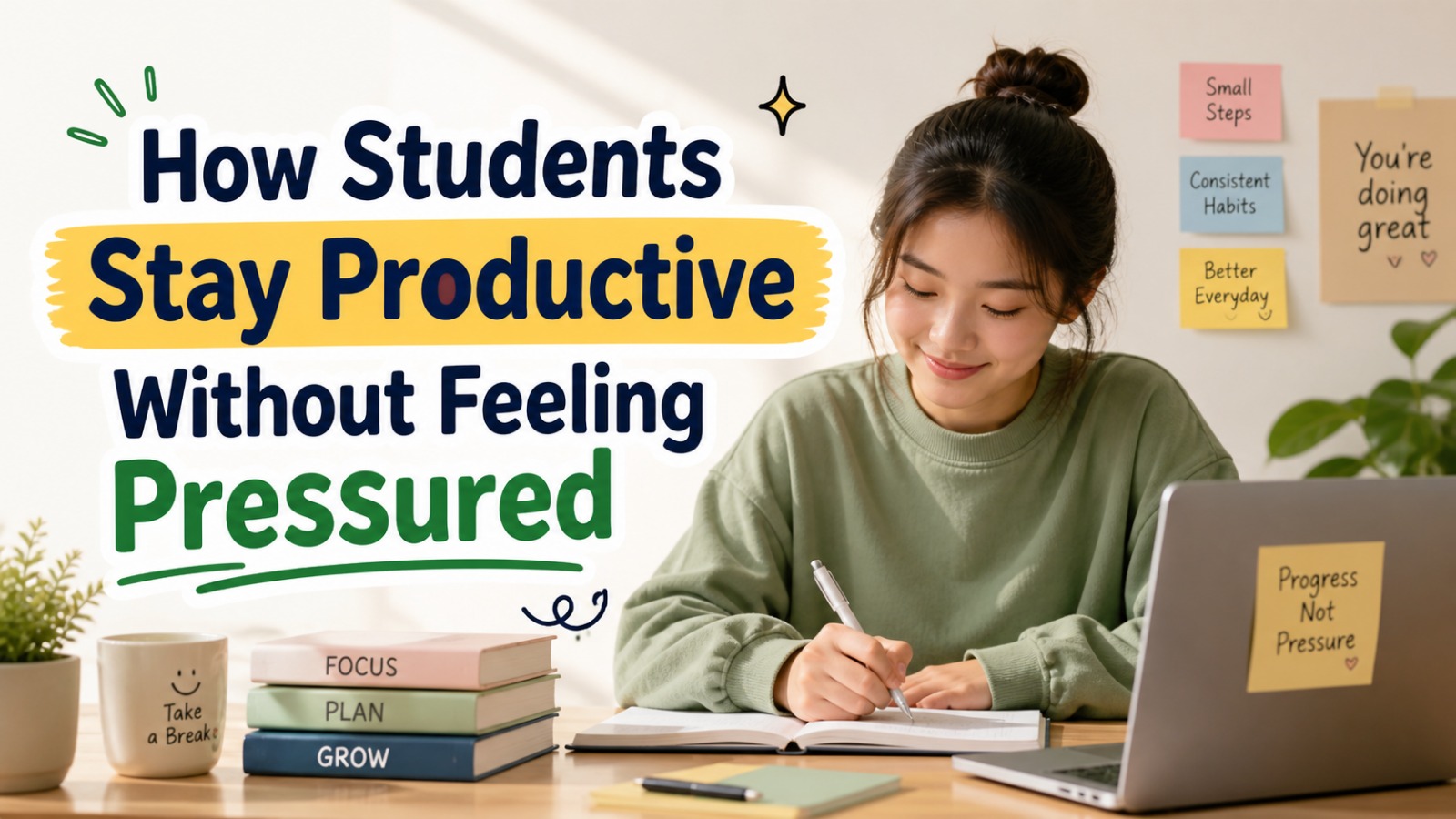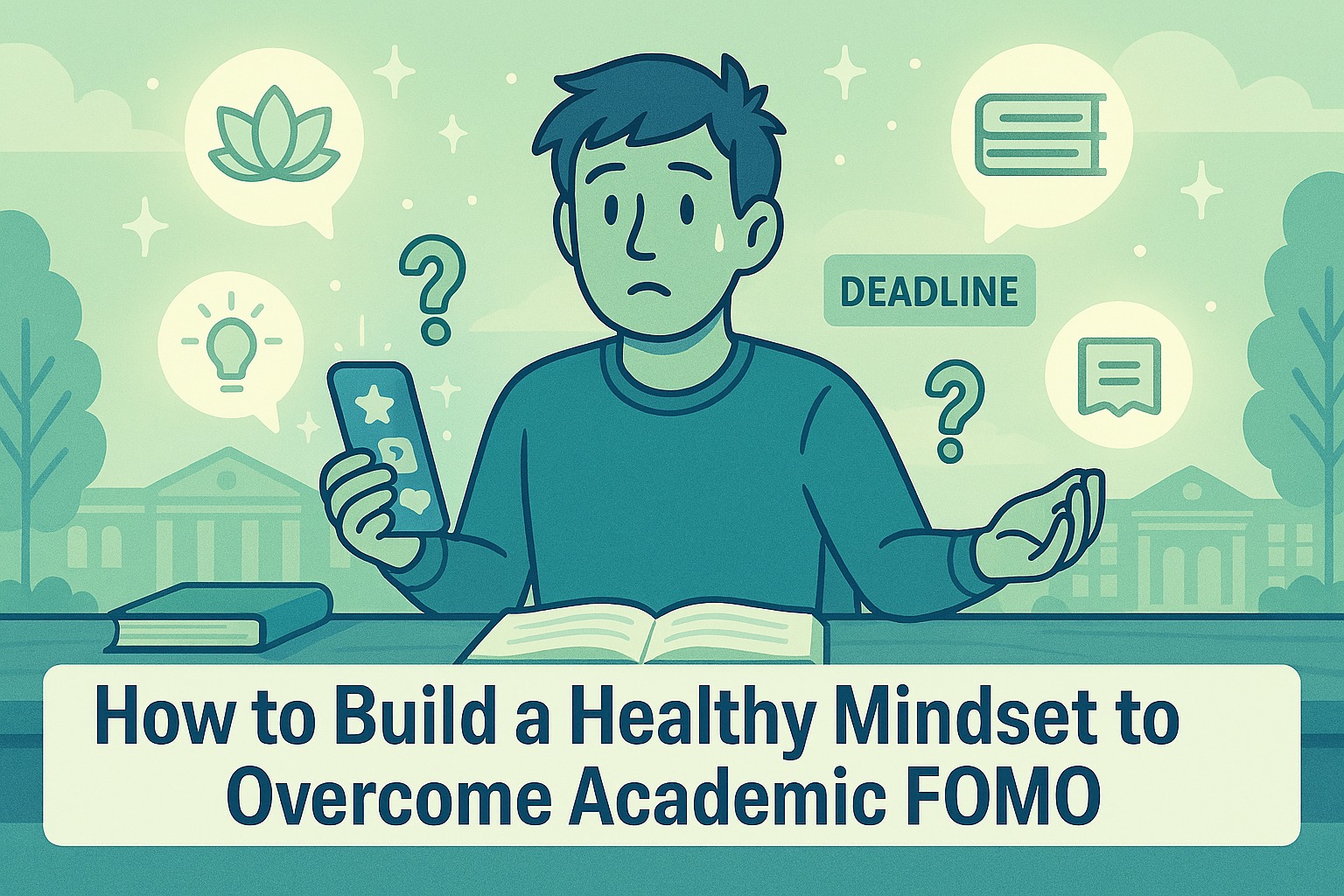
Academic life in the digital era offers endless opportunities — competitions, scholarships, online courses, internships, and collaborative projects appear almost daily. While access to opportunity is a privilege, it also creates a hidden psychological burden known as academic FOMO, the fear of missing out in educational settings. Many students feel pressured to participate in everything, fearing that skipping even one opportunity could damage their future success. Over time, this pressure can drain motivation, harm mental well-being, and reduce the quality of learning. Building a healthy mindset is not about rejecting ambition or lowering standards. Instead, it is about developing emotional clarity, intentional decision-making, and a balanced relationship with achievement. A healthy mindset allows students to pursue growth without being controlled by fear. When students learn to manage academic FOMO effectively, they gain focus, resilience, and a stronger sense of purpose.
UNDERSTANDING THE ROOT OF ACADEMIC FOMO
Academic FOMO is driven by a mixture of social comparison, competitive environments, and constant exposure to others’ achievements. Students often encounter curated highlights of peers winning awards, joining elite programs, or gaining recognition. These snapshots rarely show the full story — the setbacks, trade-offs, or personal struggles behind success.
When the brain repeatedly interprets these highlights as standards to match, it activates fear-based motivation. Students begin to believe that opportunity equals survival. Missing an event or declining a commitment feels like falling behind. This mindset creates chronic tension and reduces the ability to evaluate opportunities logically.
Understanding this root is the first step toward change. Academic FOMO is not proof of inadequacy — it is a natural psychological response to overstimulation and comparison. Recognizing its presence gives students the power to respond thoughtfully rather than react impulsively.
SHIFTING FROM SCARCITY TO ABUNDANCE THINKING
A major driver of academic FOMO is scarcity thinking — the belief that opportunities are rare and must be seized immediately. This mindset promotes urgency and anxiety. Students may overload their schedules, assuming that every chance is irreplaceable.
Abundance thinking offers a healthier perspective. Education is not a single race with limited winners. Opportunities are recurring, evolving, and often tailored to individual growth paths. When students adopt an abundance mindset, they realize that success is not determined by doing everything, but by doing the right things consistently.
This shift reduces emotional pressure. Students learn to trust that meaningful opportunities will continue to appear. Decision-making becomes guided by alignment with personal goals rather than fear of exclusion.
DEVELOPING SELF-AWARENESS AND PERSONAL PRIORITIES
A healthy mindset requires clarity about personal values, strengths, and long-term direction. Without self-awareness, students are easily pulled toward external expectations. They may chase achievements that look impressive but provide little personal fulfillment.
Self-reflection helps students define what success means to them. Some may prioritize deep academic mastery, others practical experience, creativity, or leadership development. When priorities are clear, opportunities can be evaluated through a purposeful lens.
This clarity reduces impulsive commitments. Students gain confidence in saying no, understanding that selective focus strengthens growth. Instead of reacting to every possibility, they act according to intention.
BUILDING EMOTIONAL RESILIENCE AGAINST COMPARISON
Comparison is inevitable in academic environments, but its impact depends on emotional resilience. Students with a healthy mindset view others’ achievements as information, not judgment. They understand that each journey unfolds differently.
Emotional resilience grows through perspective. Progress is measured against personal improvement, not external timelines. When students celebrate incremental achievements, they reinforce intrinsic motivation.
Practicing gratitude also shifts focus. Recognizing existing strengths and opportunities reduces the illusion of scarcity. Over time, comparison loses its emotional grip, allowing students to engage in competition constructively rather than fearfully.
CREATING STRUCTURED DECISION-MAKING HABITS
Academic FOMO often leads to reactive choices. Students sign up for events or programs without evaluating capacity or relevance. Structured decision-making interrupts this pattern.
A healthy approach involves pausing before committing. Students assess whether an opportunity aligns with goals, supports skill development, and fits within energy limits. This intentional pause prevents overextension.
Structured habits also include scheduling boundaries. Allocating time for focused study, rest, and reflection ensures that commitments remain sustainable. Productivity becomes a function of clarity, not urgency.
BALANCING AMBITION WITH RECOVERY
Ambition fuels academic growth, but without recovery it becomes self-defeating. Mental fatigue reduces learning efficiency, creativity, and emotional stability. Students driven by FOMO often underestimate the importance of rest.
A healthy mindset reframes recovery as a performance strategy. Sleep, breaks, and digital boundaries restore cognitive function. Students who prioritize recovery sustain higher levels of engagement and resilience.
Balance is not a compromise — it is an optimization. Sustainable ambition requires rhythms of effort and restoration.
CONCLUSION
Building a healthy mindset to overcome academic FOMO is a transformative process that reshapes how students interpret opportunity, success, and personal growth. By understanding psychological triggers, shifting toward abundance thinking, strengthening self-awareness, and cultivating emotional resilience, students gain control over their academic journey.
Intentional decision-making, balanced ambition, and supportive communities create an environment where productivity and well-being coexist. Academic life becomes purposeful rather than reactive. In this mindset, opportunities are approached with clarity and confidence, allowing students to grow sustainably without being driven by fear.
About the Author
Gusti Ayu Tita P
Author — STEKOM University
An active author focused on academic issues, educational technology, and human resource development in the campus environment.