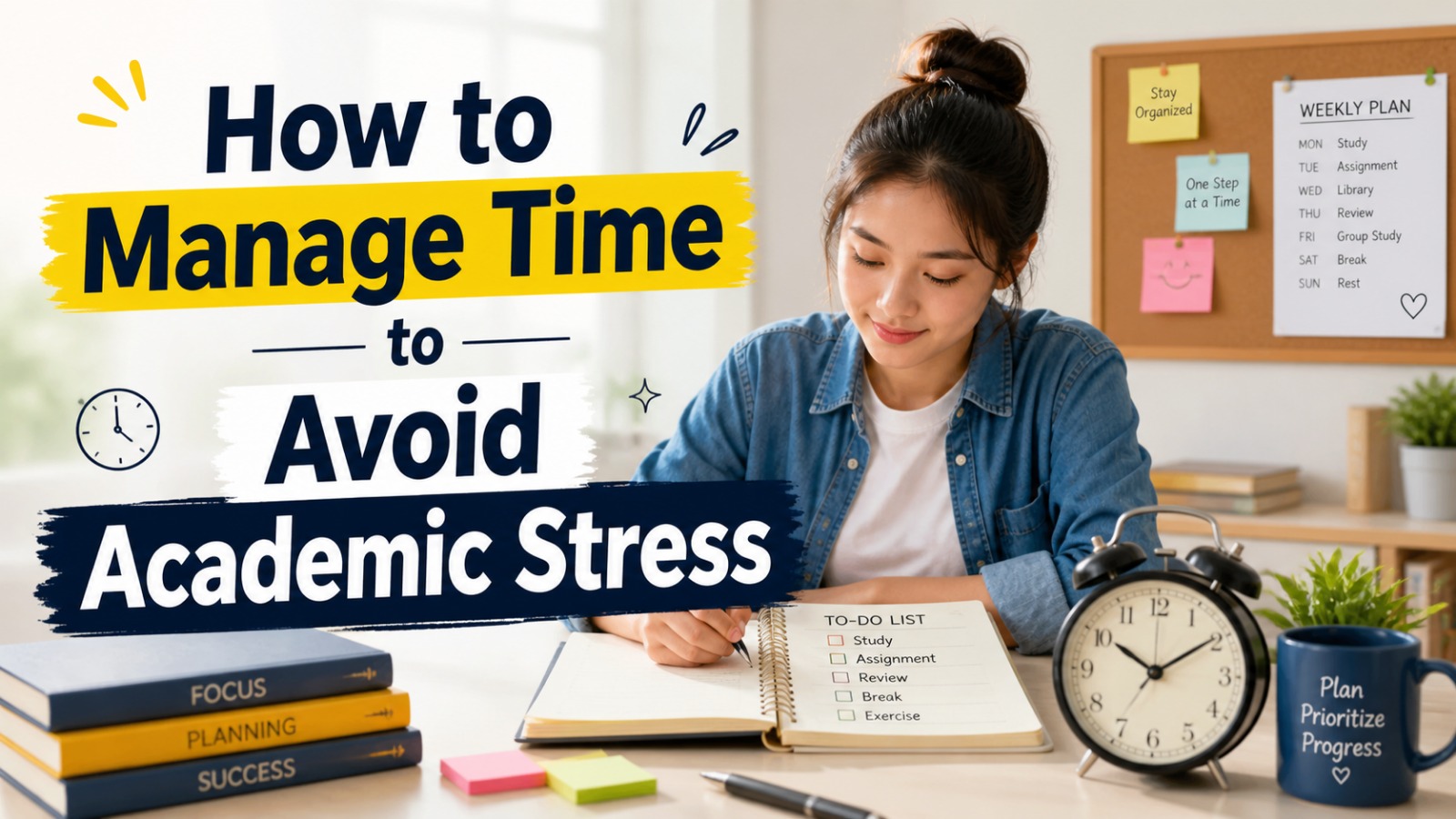
Managing time effectively is one of the most important skills students need to succeed in academic life. Without proper time management, assignments pile up, deadlines become overwhelming, and stress levels increase rapidly. By adopting the right strategies, students can stay organized, productive, and mentally balanced throughout their studies.
UNDERSTANDING THE IMPORTANCE OF TIME MANAGEMENT
Time management is not just about completing tasks on schedule. It is about using time wisely to balance academic responsibilities, personal life, and rest. When students manage their time well, they reduce pressure, improve focus, and create a healthier study routine. Poor time management, on the other hand, often leads to procrastination and academic burnout.
IDENTIFYING PRIORITIES AND GOALS
The first step in managing time effectively is setting clear priorities. Students should identify which tasks are most important and urgent. Breaking down large assignments into smaller, manageable parts can make them less intimidating. Setting realistic goals also helps maintain motivation and prevents unnecessary stress.
CREATING A STRUCTURED SCHEDULE
A well-planned schedule allows students to allocate time for studying, attending classes, and relaxing. Using tools such as planners or digital calendars can help track deadlines and daily activities. It is important to create a flexible schedule that allows adjustments when unexpected tasks arise.
AVOIDING PROCRASTINATION
Procrastination is one of the biggest obstacles to effective time management. Delaying tasks often results in last-minute pressure and lower quality work. To avoid this, students can use techniques like the Pomodoro method, where they work in focused intervals followed by short breaks. Starting tasks early also reduces anxiety and builds confidence.
BALANCING STUDY AND REST
Continuous studying without breaks can lead to fatigue and decreased productivity. Taking regular breaks helps refresh the mind and maintain concentration. Students should also ensure they get enough sleep, as rest plays a crucial role in memory and overall performance.
USING EFFECTIVE STUDY TECHNIQUES
Choosing the right study methods can save time and improve learning efficiency. Active learning techniques such as summarizing, practicing questions, and teaching others can help students understand material faster. This reduces the need for long, exhausting study sessions.
LEARNING TO SAY NO
Students often take on too many responsibilities, including extracurricular activities and social commitments. While these are important, overcommitting can lead to stress. Learning to say no to non-essential tasks allows students to focus on their academic priorities.
CONCLUSION
Effective time management is the key to avoiding academic stress and achieving success in college. By setting priorities, creating structured schedules, and maintaining a balance between study and rest, students can handle their responsibilities with confidence. Developing these habits not only improves academic performance but also supports long-term personal well-being.
About the Author
Gusti Ayu Tita
Author — STEKOM University
An active author focused on academic issues, educational technology, and human resource development in the campus environment.