
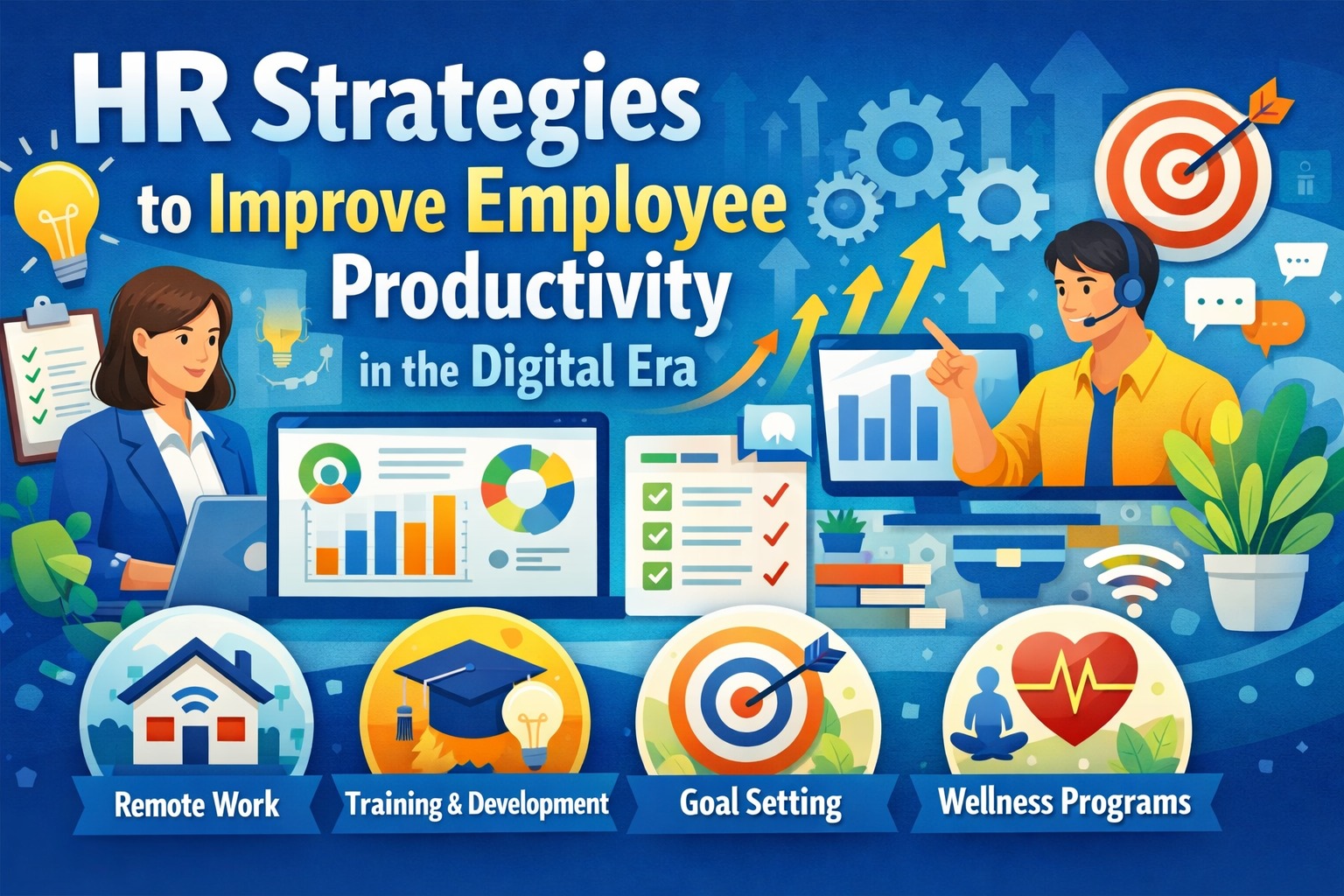
Human Resources plays a vital role in shaping a productive and professional workplace. In today’s competitive business environment, companies need effective HR strategies to build teams that are skilled, collaborative, and adaptable. Strong teams not only improve productivity but also create a positive work culture that supports long-term business growth. By implementing the right HR approaches, organizations can strengthen employee engagement and achieve better performance.
EFFECTIVE RECRUITMENT AND TALENT DEVELOPMENT
The foundation of a strong team begins with hiring the right people. HR professionals must focus on recruitment strategies that identify candidates with both technical skills and strong interpersonal abilities. A clear hiring process helps companies attract employees who fit the organization’s values and goals.
Beyond recruitment, talent development is equally important. Companies that provide training programs, workshops, and career development opportunities can improve employee performance and motivation. Continuous learning allows employees to adapt to industry changes while enhancing their professional skills.
HR departments should also encourage mentorship programs where experienced employees guide newer team members. This strategy strengthens teamwork, improves communication, and builds a supportive working environment. As employees grow professionally, the overall quality of the team becomes stronger and more reliable.
BUILDING A POSITIVE WORK CULTURE
A professional team cannot thrive without a healthy workplace culture. HR strategies should focus on creating an environment where employees feel respected, valued, and motivated. Open communication between management and staff helps build trust and reduces workplace conflicts.
Employee recognition is another essential factor in maintaining strong teams. Rewarding achievements, celebrating milestones, and appreciating employee contributions can significantly improve morale. Workers who feel appreciated are more likely to stay committed and productive.
Work-life balance also plays a major role in employee satisfaction. Flexible work arrangements, mental health support, and wellness programs can help reduce stress and improve overall performance. HR teams that prioritize employee well-being often create more loyal and engaged professionals.
Additionally, diversity and inclusion strategies contribute to stronger collaboration. Teams with diverse perspectives are more innovative and capable of solving problems effectively. HR departments should ensure equal opportunities for all employees to create a fair and professional workplace.
CONCLUSION
Building strong and professional teams requires strategic HR management and continuous employee support. Effective recruitment, talent development, and positive workplace culture are key factors that influence team success. Companies that invest in employee growth and well-being can create motivated teams capable of achieving long-term organizational goals. Through well-planned HR strategies, businesses can strengthen teamwork, improve productivity, and maintain a professional work environment in an increasingly competitive world.
About the Author
Gusti Ayu Tita
Author — STEKOM University
An active author focused on academic issues, educational technology, and human resource development in the campus environment.



