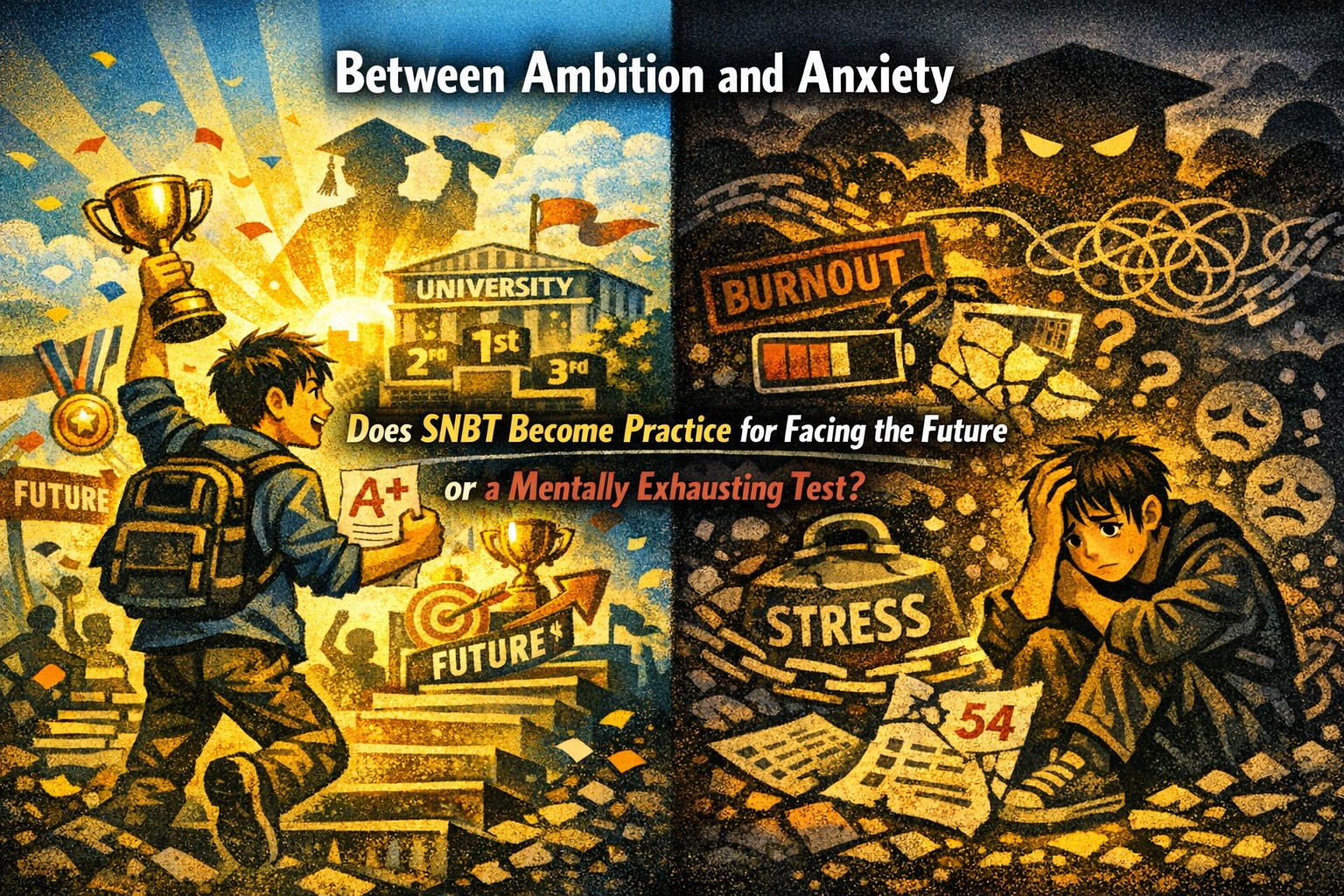
In today’s fast-paced and increasingly expensive world, many students are asking the same question: is it possible to balance studying while working? The answer is yes—but it comes with challenges that require discipline, planning, and the right mindset. As education costs rise and real-world experience becomes more valuable, combining work and study is no longer unusual; it is becoming the norm.
THE RISE OF WORKING STUDENTS
Over the past decade, the number of students taking part-time or even full-time jobs has grown significantly. Financial pressure is one of the main reasons. Tuition fees, living expenses, and personal needs push students to seek income while still pursuing their education.
At the same time, the job market increasingly values experience. Employers often prefer graduates who not only hold academic qualifications but also have practical skills. This reality motivates students to start working earlier, even before completing their degrees.
BENEFITS OF STUDYING WHILE WORKING
Balancing work and study can be demanding, but it offers several important advantages.
First, students gain financial independence. Earning their own money reduces reliance on family support and helps cover daily expenses. This can also teach valuable money management skills.
Second, working students develop time management abilities. Handling deadlines from both academic and professional responsibilities forces them to prioritize tasks effectively.
Third, they build real-world experience. Skills such as communication, teamwork, and problem-solving are often learned faster in a work environment than in a classroom.
CHALLENGES THAT CANNOT BE IGNORED
Despite its benefits, studying while working is not easy. One of the biggest challenges is time pressure. Students may feel overwhelmed by assignments, exams, and job responsibilities all at once.
Another issue is fatigue. Long hours of work combined with study sessions can lead to burnout, affecting both academic performance and health.
There is also the risk of imbalance. Without proper planning, work may take priority over education, which could negatively impact long-term goals.
STRATEGIES FOR SUCCESS
To successfully manage both responsibilities, students need clear strategies.
Creating a structured schedule is essential. Allocating specific hours for studying, working, and resting can help maintain balance.
Setting priorities is equally important. Students should focus on tasks that have the greatest impact on their academic and career goals.
In addition, choosing the right type of job matters. Flexible jobs or roles related to their field of study can make the experience more beneficial and manageable.
Lastly, maintaining physical and mental health should never be overlooked. Proper sleep, healthy eating, and occasional breaks are crucial for sustaining productivity.
THE ROLE OF TECHNOLOGY AND FLEXIBILITY
Modern technology has made it easier for students to balance work and study. Online learning platforms, remote jobs, and digital tools allow for more flexible schedules. Students can attend lectures, submit assignments, and even work from home, reducing time constraints and commuting stress.
This flexibility has opened new opportunities, making it more realistic than ever for students to pursue both education and employment simultaneously.
CONCLUSION
So, is it possible for today’s students to study while working? Absolutely. However, success depends on careful planning, strong discipline, and a clear understanding of personal limits. While the journey can be challenging, the rewards—both financial and professional—make it a worthwhile path for many students.
About the Author
Gusti Ayu Tita
Author — STEKOM University
An active author focused on academic issues, educational technology, and human resource development in the campus environment.