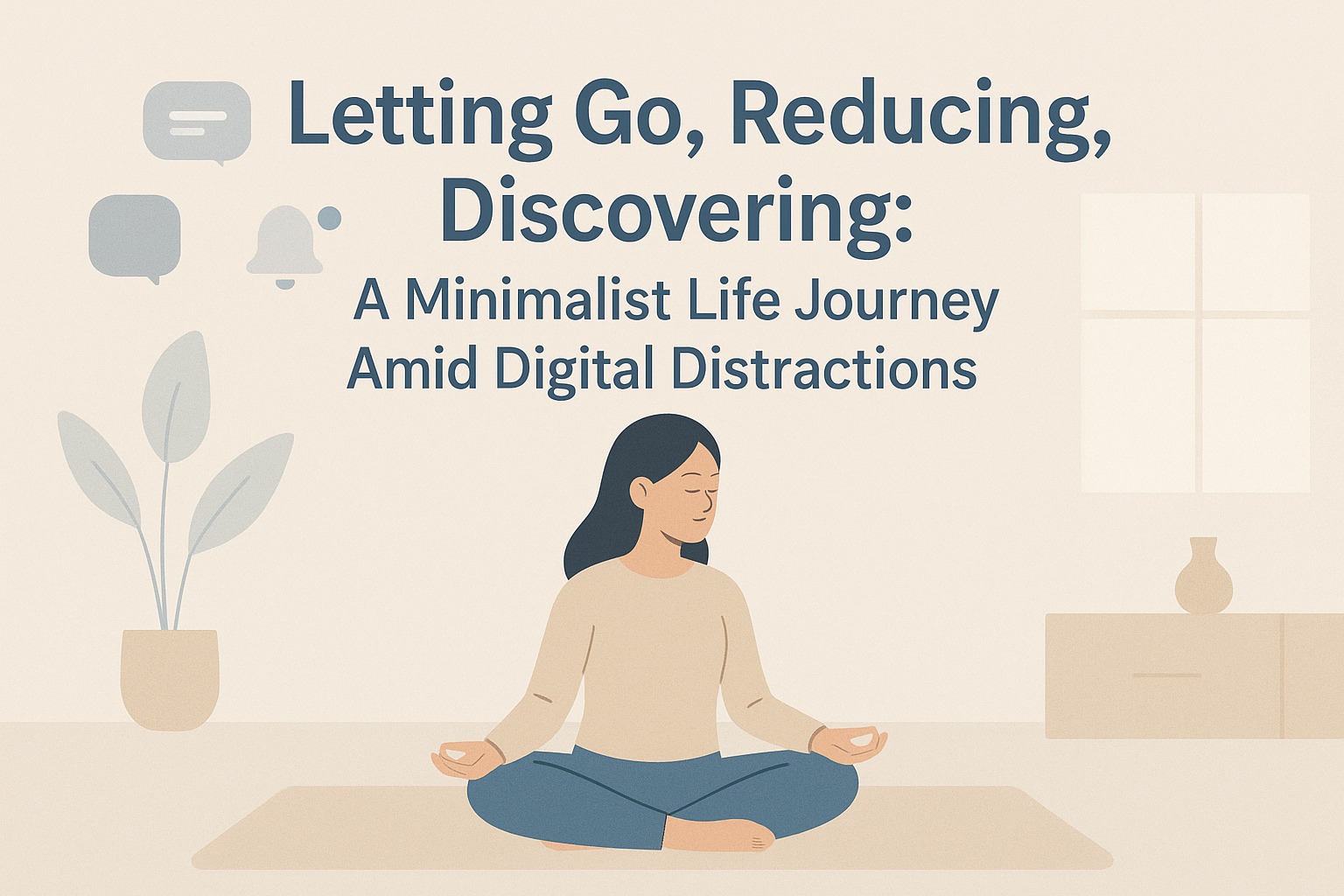
In today’s fast-paced digital era, people have become increasingly accustomed to living side by side with notifications, instant information, and endless content. All of these gradually shape a life rhythm filled with distractions. Amid this constant flow, minimalism emerges as an approach that offers space to breathe. Minimalism is not merely about owning fewer things, but a journey of letting go of the unnecessary, reducing the weight of life, and rediscovering what truly matters.
RECOGNIZING THE DIGITAL DISTRACTIONS THAT DOMINATE LIFE
Technology brings convenience, but it also creates a cycle of constant distractions. Every notification triggers the urge to check the phone, causing focus to break and time to slip away unnoticed. Social media is designed to keep users engaged as long as possible, making it increasingly difficult to control how we consume information.
These distractions not only drain time but also affect mental health. The habit of comparing oneself to others’ digital lives or being immersed in negative news can take away inner peace. Minimalism emerges as an effort to regain control and reset our relationship with technology.
LETTING GO OF WHAT NO LONGER HAS MEANING
Letting go is the first step in the minimalist journey. It is not just about removing physical items, but also shedding habits that no longer bring value. This includes reducing time wasted on aimless scrolling, unfollowing accounts that trigger anxiety, or abandoning digital routines that drain energy.
By letting go, a person gives themselves space to breathe and reorganize their priorities. This process helps distinguish what is truly beneficial from what merely adds unnecessary weight.
REDUCING BURDENS TO CREATE CLARITY
After letting go, the next step is to reduce. Reducing means simplifying choices so the mind is no longer overwhelmed. Life’s burdens do not only come from physical possessions, but also from information overload, social demands, and uncontrolled digital habits.
Reducing can be done by limiting apps, filtering information, or setting offline hours. With more mental space, a person can become more focused, creative, and calm in carrying out daily activities.
DISCOVERING TRUE LIFE VALUES
At this stage, minimalism leads a person toward deeper awareness of what truly matters. When life becomes simpler, values such as emotional connections, health, quality time, and life purpose rise to the surface.
To discover means realizing that happiness does not come from having more, but from consciously choosing what carries genuine meaning.
PRACTICAL STRATEGIES FOR APPLYING MINIMALISM IN THE DIGITAL ERA
1. Reduce the number of apps on your phone
Deleting unused apps helps reduce visual and mental distractions. The fewer apps there are, the less temptation there is to open the phone without reason.
2. Set daily screen-free time
Giving your mind a break from screen exposure helps restore focus and reduce mental fatigue. Staying offline before bed also improves sleep quality.
3. Organize digital files regularly
Accumulated photos, files, or emails can clog devices and create mental clutter. Organizing them creates a cleaner and more manageable digital space.
4. Limit consumption of unimportant content
Choosing only beneficial accounts or information sources helps maintain mental well-being and prevents drowning in content that adds no value.
5. Use selective notifications
Turning on notifications only for important matters helps maintain focus. This way, the phone no longer becomes a major source of distraction during work or daily activities.
CONCLUSION
Minimalism in the digital era is not about living with less, but about living with intention. In a world full of distractions, the ability to let go of the unnecessary, reduce burdens, and rediscover life’s meaning becomes crucial. With consistent practical strategies, anyone can create a life that is calmer, more focused, and more mindful. Minimalism is not just a lifestyle, but a path back to finding oneself amid the noise of the modern world.
About the Author
Gusti Ayu Tita
Author — STEKOM University
An active author focused on academic issues, educational technology, and human resource development in the campus environment.