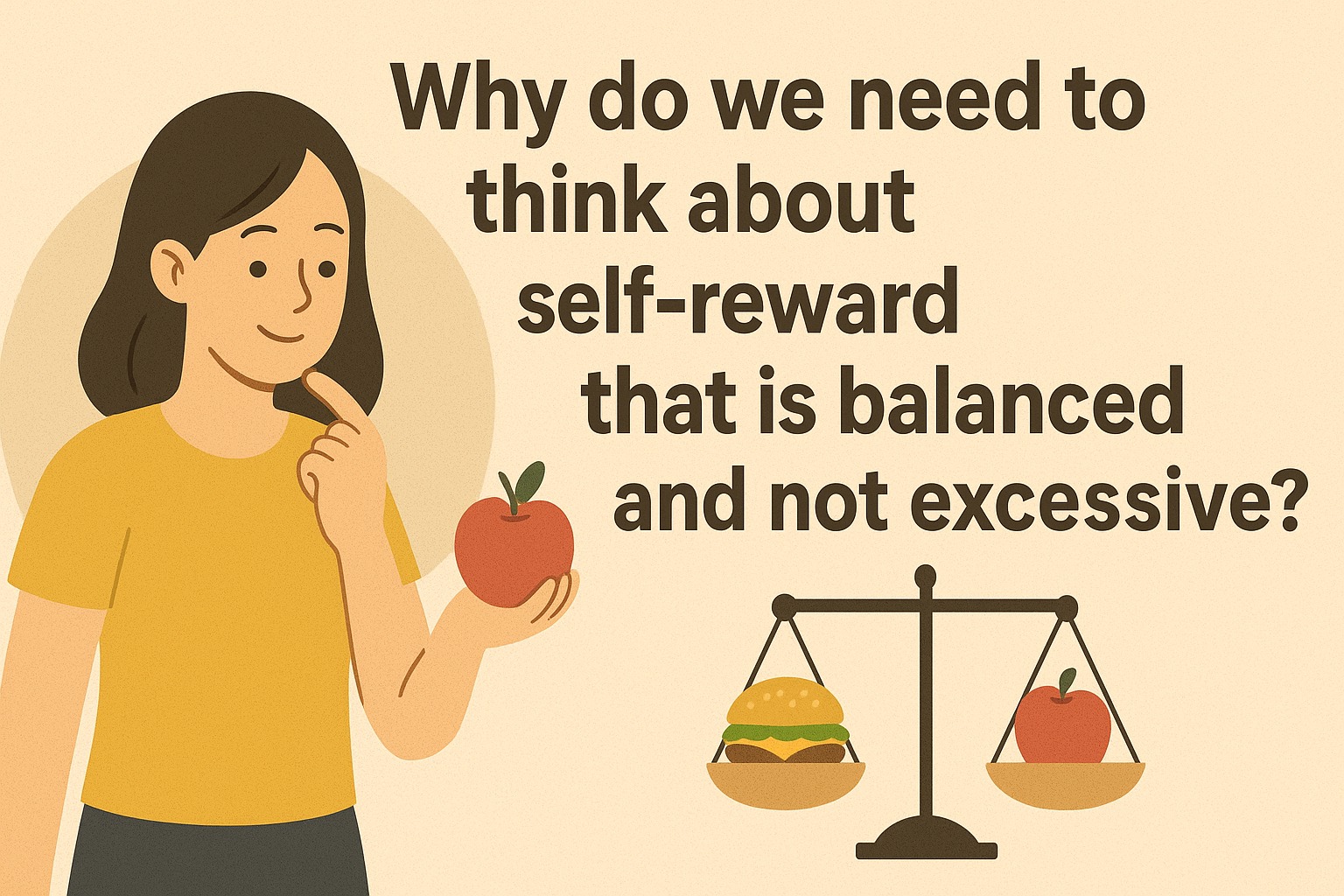
Rewarding yourself is an important form of appreciation after reaching a goal or completing a difficult task. However, many people fall into the trap of excessive self-rewarding, which can negatively affect health, finances, and productivity. This leads to one crucial question—why is it important to choose a more balanced form of self-reward?
THE MEANING AND FUNCTION OF SELF-REWARD
Self-reward is not just a small gift to oneself, but a mechanism that reinforces positive behavior. By rewarding accomplishments, we motivate ourselves to maintain good habits.
However, without clear boundaries, self-reward can turn into an escape or justification for unnecessary spending. This is why understanding healthy self-reward is essential.
THE RISKS OF EXCESSIVE SELF-REWARD
Uncontrolled self-reward can trigger several issues. For instance, buying expensive items every time you feel stressed or consuming excessive food as a “reward” after work.
Some common negative impacts include:
* Gradually increasing expenses
* Decreased self-discipline
* Compulsive behavior
* Physical and emotional health disruption
When self-reward loses balance, its benefits turn into burdens.
SETTING SELF-REWARD BASED ON LONG-TERM GOALS
Healthy self-reward should align with life goals—not hinder them.
If your goal is to save money, rewards could be activities that require little or no spending. If your goal is a healthy lifestyle, choose relaxation activities instead of overeating.
Well-planned self-reward supports long-term progress instead of slowing it down.
CHOOSING SMALL BUT MEANINGFUL REWARDS
Not every reward needs to be luxurious or expensive. Simple things can have the same positive effect, such as:
* Watching a favorite movie after finishing a heavy task
* Taking a relaxing walk in the park
* Buying a healthy snack
* Spending time on a hobby
Small rewards are easier to manage without heavy consequences.
CREATING HEALTHY PERSONAL BOUNDARIES
To keep self-reward under control, we need boundaries. These may include a monthly budget, reward frequency, or defining which types of rewards are allowed.
Clear boundaries prevent impulsive behavior and help maintain balance between self-care and responsibility.
CONCLUSION
Self-reward is beneficial and necessary, but it must be done in balance. Without limits, it can disrupt long-term goals and lead to unhealthy habits. By choosing the right reward, planning it according to goals, and maintaining clear boundaries, we can enjoy its benefits without falling into negative patterns.
About the Author
Gusti Ayu Tita
Author — STEKOM University
An active author focused on academic issues, educational technology, and human resource development in the campus environment.