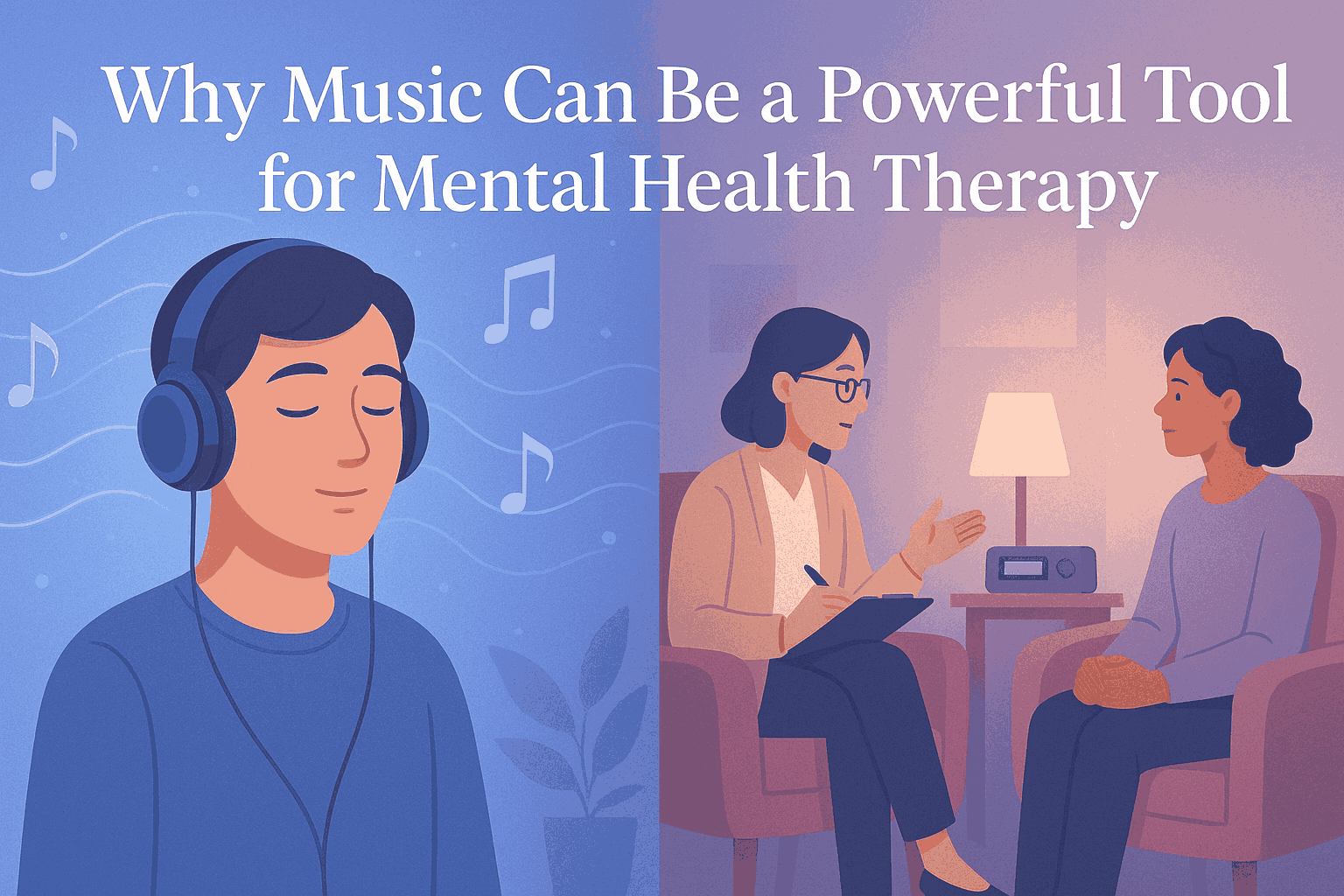
Music has long been recognized as a powerful tool to calm the mind and regulate emotional well-being. As scientific understanding evolves, music is increasingly acknowledged as a form of mental health therapy with positive effects on psychological wellness. This article explores why music can be a beneficial mental health therapy and how it works to support emotional balance.
1. MUSIC’IMPACT ON BRAIN FUNCTION
One of the main reasons music serves as effective mental health therapy is its ability to stimulate brain activity. Listening to music activates multiple brain areas, including those related to emotion, memory, and attention. Pleasant music can trigger the release of dopamine—a neurotransmitter linked to happiness—which helps reduce anxiety and elevate mood.
2. MANAGING STRESS AND ANXIETY
Music has proven to be an effective tool for lowering stress and anxiety levels. Calming rhythms and melodies can help slow heart rate and reduce blood pressure, leading to a more relaxed body and mind. Genres like classical music or natural soundscapes are often used in therapy sessions to create a peaceful atmosphere that eases mental strain.
3. IMPROVING SLEEP QUALITY
Sleep disturbances are common among individuals with mental health challenges such as anxiety or depression. Music can aid in improving sleep by creating a soothing bedtime routine. Studies show that listening to relaxing music before bed helps people fall asleep faster and sleep more soundly, promoting better mental recovery.
4. TRIGGERING POSITIVE EMOTIONS AND MEMORIES
Music has the unique ability to evoke emotions and recall memories. A familiar tune can instantly bring back joyful moments, promoting positive feelings that are essential for emotional balance. For individuals with dementia or Alzheimer’s, music therapy is frequently used to stimulate memory retrieval and enhance quality of life.
5. ENHANCING FOCUS AND CONCENTRATION
Beyond its relaxing effects, music can also support productivity. Instrumental music or tracks with steady rhythms can sharpen focus and reduce mental distractions. Such music is often played during work or study sessions to maintain concentration, helping reduce anxiety related to deadlines or performance.
6. FACILITATING EMOTIONAL EXPRESSION
Music is a valuable outlet for expressing emotions, especially for those who struggle to verbalize their feelings. In therapeutic settings, music is used to help clients access and release repressed emotions through listening, singing, or playing instruments. This makes music a powerful emotional bridge in the healing process.
7. ENCOURAGING SOCIAL INTERACTION
Music can also foster social bonding. Group music therapy allows individuals to sing, play, or listen to music together, creating a shared experience that reduces loneliness and strengthens connection. These interactions can boost confidence and contribute to better emotional support systems.
8. BOOSTING CREATIVUTY AND EXPLORATION
Music gives individuals the freedom to explore and express their creativity. This creative process can act as a release valve for stress, helping people feel emotionally lighter. Since music therapy can be tailored to personal preferences, it offers a flexible and enjoyable way to improve mental well-being.
CONCLUSION
Music holds remarkable potential to support mental health. Its ability to influence brain activity, reduce stress, enhance sleep, and facilitate emotional release makes it a highly effective form of therapy. Why does music work as mental health therapy? The answer lies in its power to impact nearly every emotional and psychological aspect of our lives. Whether it’s reducing anxiety or unlocking creativity, music offers valuable benefits for emotional well-being. Incorporating music into your daily routine can be a simple yet powerful step toward better mental health.
About the Author
Gusti Ayu Tita
Author — STEKOM University
An active author focused on academic issues, educational technology, and human resource development in the campus environment.