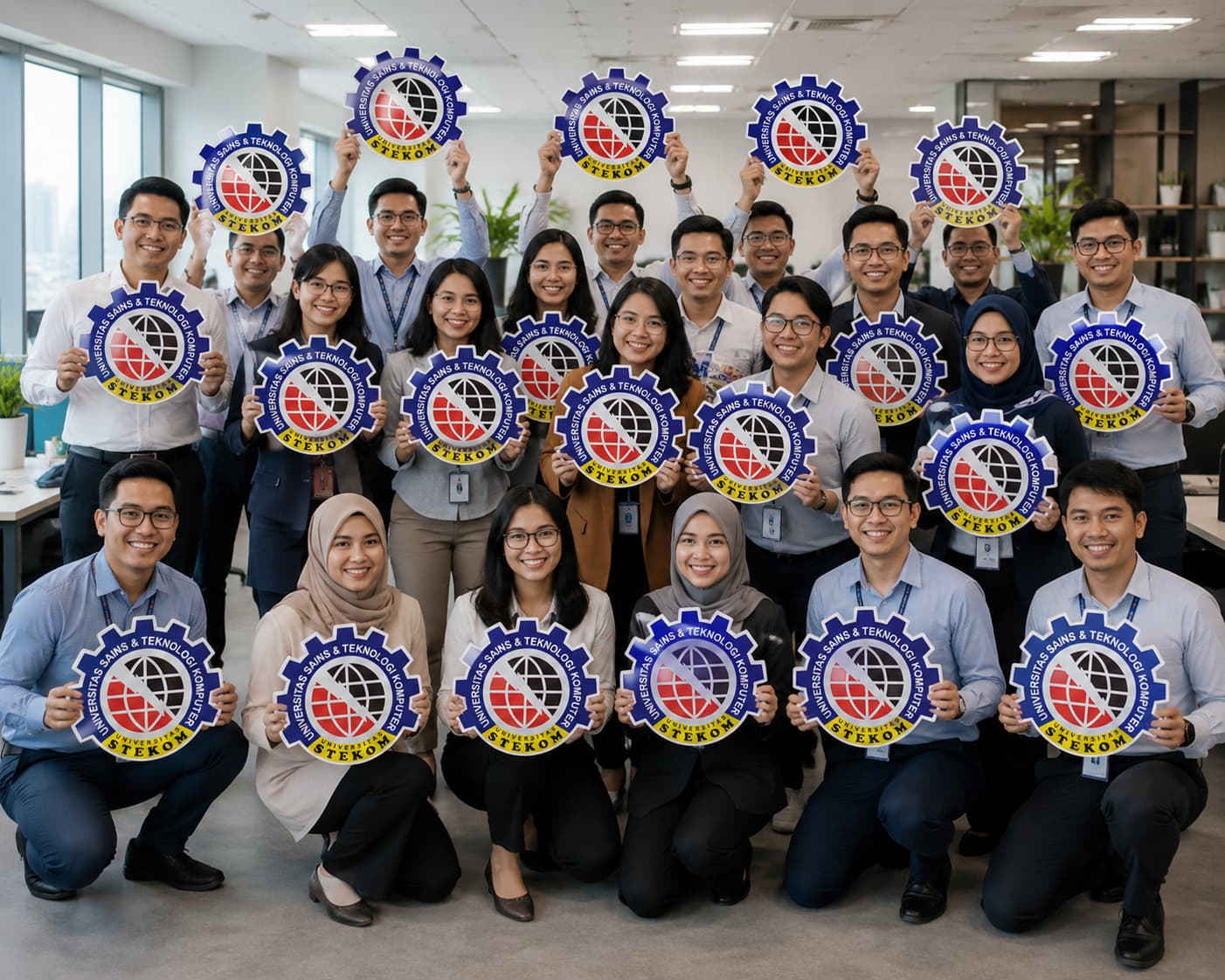
Entering the working world for the first time is an important transition in life. Many fresh graduates and young professionals feel excited about starting their careers, but they may also face challenges while adapting to professional environments. Mistakes during the early stages of a career can affect productivity, professional relationships, and long-term growth. Understanding common mistakes and learning how to avoid them can help individuals build a stronger foundation for career success.
LACK OF PREPARATION
One of the biggest mistakes when entering the working world is failing to prepare properly. Some people apply for jobs without understanding the company, the position, or the required skills.
Preparation is essential for interviews, workplace responsibilities, and professional communication. Learning about the company, industry trends, and job expectations can help new employees feel more confident and ready to perform well.
HAVING A NEGATIVE ATTITUDE
A negative mindset can create problems in the workplace. Complaining too often, resisting feedback, or showing low motivation may leave a poor impression on coworkers and supervisors.
Employers value employees who are optimistic, cooperative, and willing to learn. Maintaining a positive attitude helps individuals adapt more easily and build better professional relationships.
IGNORING SOFT SKILLS
Many fresh graduates focus only on academic knowledge and technical abilities while ignoring soft skills. In reality, communication, teamwork, problem-solving, and emotional intelligence are highly important in professional environments.
Employees with strong soft skills usually collaborate better with others and handle workplace challenges more effectively.
FEARING TO ASK QUESTIONS
Some new employees avoid asking questions because they are afraid of appearing inexperienced. However, staying silent when confused can lead to mistakes and misunderstandings.
Asking questions shows initiative and a willingness to learn. Most supervisors appreciate employees who seek clarification instead of making avoidable errors.
POOR TIME MANAGEMENT
Difficulty managing time is another common mistake among young professionals. Missing deadlines, arriving late, or failing to prioritize tasks can reduce productivity and professionalism.
Learning to organize schedules, set priorities, and complete responsibilities efficiently is essential for workplace success.
LACK OF PROFESSIONALISM
Professional behavior is important in every workplace. Being disrespectful, dressing inappropriately, or using unprofessional communication can negatively affect career growth.
Professionalism includes maintaining good ethics, respecting coworkers, following workplace rules, and handling responsibilities responsibly.
RESISTING FEEDBACK
Feedback is a valuable part of professional development. Some employees become defensive or discouraged when receiving criticism, which can slow personal growth.
Instead of viewing feedback negatively, use it as an opportunity to improve skills and performance. Employees who accept constructive criticism positively usually develop faster in their careers.
COMPARING YOURSELF TOO MUCH TO OTHERS
Comparing yourself constantly to coworkers can reduce confidence and create unnecessary pressure. Every person has a different learning process, background, and career journey.
Focusing on personal growth and continuous improvement is more productive than competing unfairly with others.
NEGLECTING NETWORKING OPPORTUNITIES
Building professional relationships is important for career development. Avoiding networking opportunities can limit access to career advice, mentorship, and future job opportunities.
Creating positive connections with coworkers, mentors, and industry professionals can support long-term professional success.
REFUSING TO LEARN NEW THINGS
The professional world changes continuously due to technology and industry developments. Employees who refuse to learn new skills may struggle to remain competitive.
Being open to learning, adapting, and improving abilities can increase career opportunities and professional value.
CONCLUSION
Avoiding common mistakes when entering the working world can help young professionals adapt more successfully and build stronger careers. Preparation, professionalism, communication, and a willingness to learn are essential for workplace success. By maintaining a positive attitude and continuously improving skills, individuals can overcome challenges and grow confidently in their professional journeys.
About the Author
Gusti Ayu Tita
Author — STEKOM University
An active author focused on academic issues, educational technology, and human resource development in the campus environment.