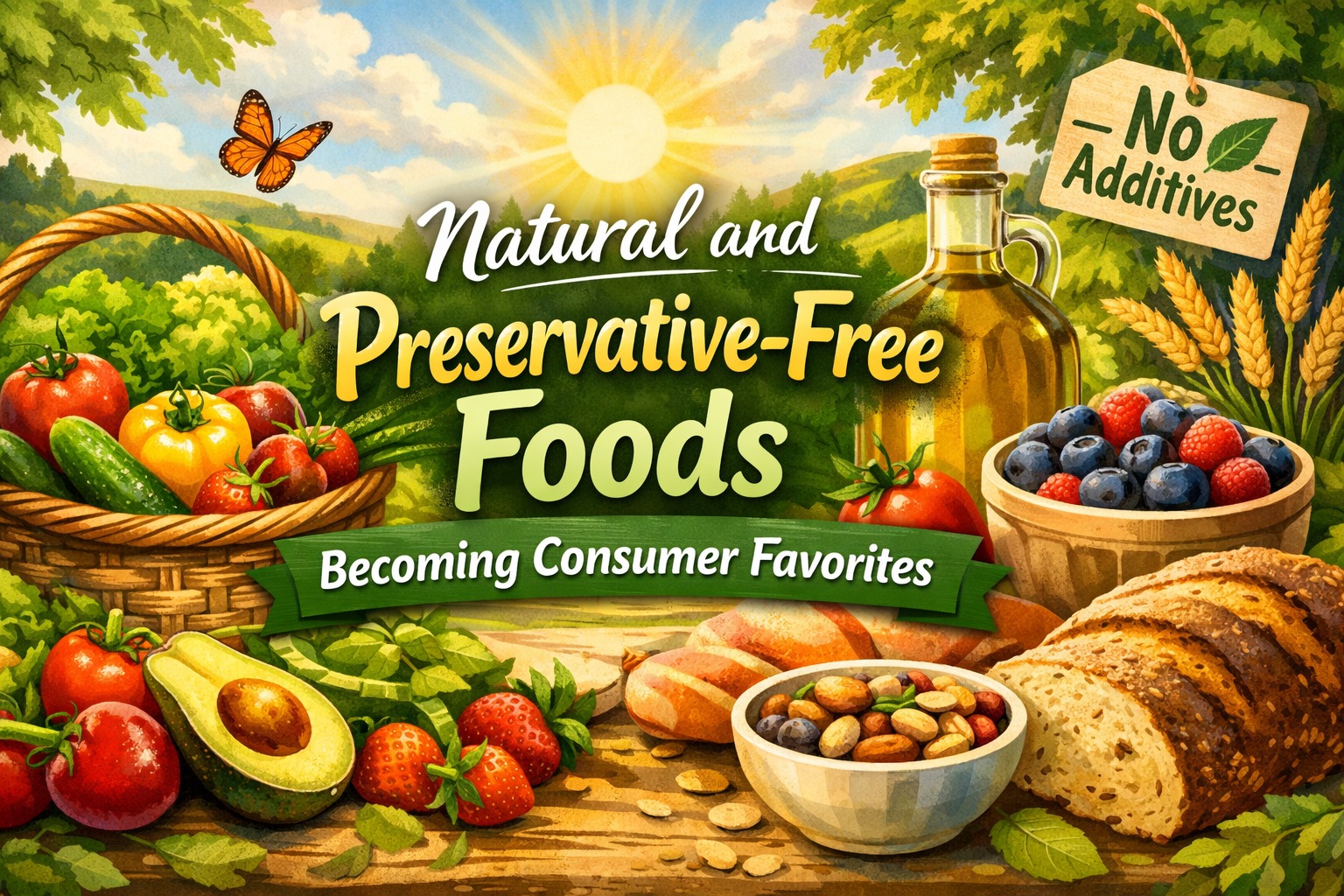
In recent years, consumers around the world have become more aware of the importance of healthy eating. This growing awareness has significantly increased the demand for natural and preservative-free foods. People are now carefully reading food labels, avoiding artificial additives, and choosing products made from fresh and organic ingredients. As a result, the food industry is rapidly adapting to meet this new consumer preference.
THE RISING DEMAND FOR NATURAL FOODS
Natural foods are products made with minimal processing and without artificial chemicals, colors, or preservatives. Many consumers believe these foods are healthier because they contain more nutrients and fewer harmful substances. Busy lifestyles and increased health concerns have also encouraged people to switch to cleaner eating habits.
Social media and health campaigns have played a major role in promoting natural foods. Influencers, nutritionists, and fitness experts often recommend fresh fruits, vegetables, whole grains, and organic products as part of a healthy lifestyle. This trend has inspired many families to prioritize healthier meals at home.
WHY PRESERVATIVE-FREE PRODUCTS ARE POPULAR
Preservatives are commonly used to extend the shelf life of food products. However, many consumers are concerned about the possible long-term effects of consuming artificial preservatives regularly. Because of this concern, preservative-free foods are increasingly seen as safer and more beneficial for overall health.
People are also becoming more selective about what they eat due to rising cases of obesity, allergies, and digestive issues. Foods made from natural ingredients are often considered easier for the body to process. This perception has strengthened the popularity of preservative-free snacks, beverages, dairy products, and ready-to-eat meals.
BENEFITS OF CHOOSING NATURAL FOODS
There are several advantages to consuming natural and preservative-free foods regularly. One of the biggest benefits is improved nutritional intake. Fresh foods usually contain higher amounts of vitamins, minerals, and antioxidants compared to heavily processed products.
Another benefit is better taste and freshness. Many consumers believe natural foods have a richer and more authentic flavor. Additionally, choosing natural products can support sustainable farming practices and environmentally friendly food production.
Natural eating habits may also help improve energy levels and overall wellness. A balanced diet consisting of clean and fresh ingredients can support better digestion, healthier skin, and stronger immunity.
CHALLENGES IN THE NATURAL FOOD INDUSTRY
Despite the growing popularity, natural and preservative-free foods still face several challenges. One major issue is the shorter shelf life of these products. Without preservatives, food can spoil more quickly, making storage and transportation more difficult.
Price is another challenge. Organic and natural products are often more expensive because they require higher production costs and careful handling. Some consumers may find it difficult to purchase these foods regularly due to budget limitations.
Food manufacturers are now investing in advanced packaging technologies and safer natural preservation methods to maintain product quality while meeting consumer expectations.
THE FUTURE OF HEALTHY FOOD CONSUMPTION
The future of the food industry is expected to focus even more on health-conscious consumers. Companies are continuously developing innovative products using natural ingredients and transparent labeling. Consumers are no longer only interested in taste, but also in nutritional value and ingredient safety.
As awareness of healthy living continues to grow, natural and preservative-free foods are likely to become a long-term global trend. This shift encourages both consumers and producers to create healthier, safer, and more sustainable food choices for future generations.
About the Author
Gusti Ayu Tita
Author — STEKOM University
An active author focused on academic issues, educational technology, and human resource development in the campus environment.