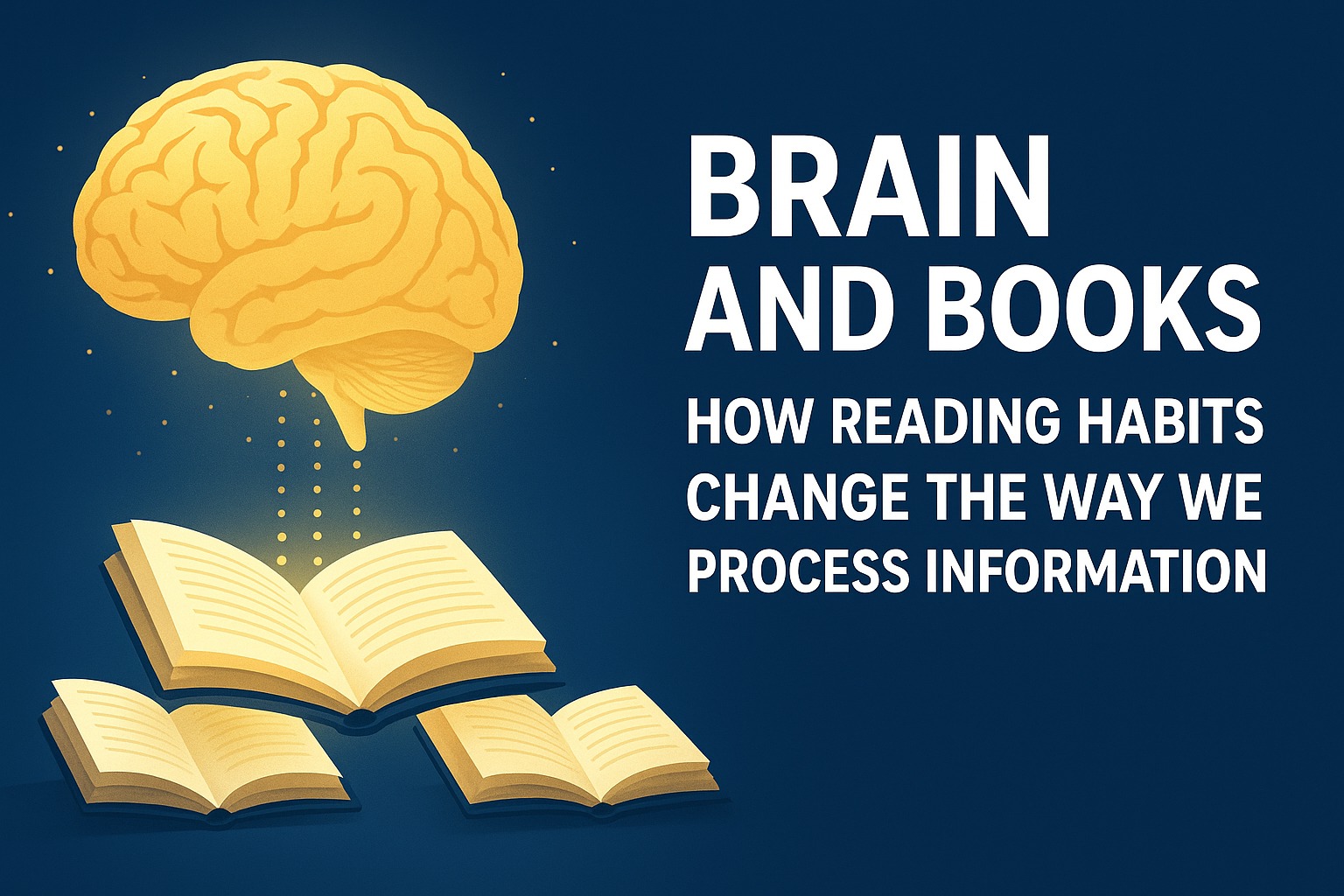
When reading, the brain works more actively than during many other activities. The parts of the brain responsible for language, memory, imagination, and logic are all involved. The activation of these various areas trains the brain to process information more quickly and accurately.
Enhancing the Ability to Understand and Filter Information
In an era of information overload, the ability to distinguish what is important from what is not is crucial. Reading regularly helps the brain understand context, recognize patterns, and assess the quality of information. Active readers are usually more selective and more attentive to details.
The Influence of Reading on Memory Skills
When we read, we remember storylines, characters, facts, or arguments. This activity strengthens both short-term and long-term memory. The habit of reading trains the brain to store information more neatly, which helps in learning as well as in daily life.
Building New Connections and Understanding
Every time we read something new, the brain creates additional connections between existing knowledge and new information. This process enriches how we understand a topic and makes us quicker at identifying relationships between concepts. The more we read, the stronger our thinking structure becomes.
Reading as a Cognitive Exercise to Keep the Brain Active
Reading can be considered “exercise for the brain.” This activity helps maintain optimal cognitive function, increases focus, and reduces the risk of cognitive decline. That is why reading is highly recommended for all ages.
Conclusion
The habit of reading has a profound impact on how we process information. From comprehension and memory to logical thinking skills, all are influenced by how often we read. Books are not only sources of knowledge but also tools that shape how our brains work.
About the Author
Gusti Ayu Tita
Author — STEKOM University
An active author focused on academic issues, educational technology, and human resource development in the campus environment.